
equine


-

Harmful Herbs for EMS Horses: Guide & List
Managing an EMS horse’s diet requires avoiding herbs that worsen insulin resistance or trigger laminitis. High-sugar herbs, toxic plants like tansy ragwort, and even nutritious alfalfa can be problematic. Consulting an equine nutritionist is essential for creating a diet tailored to your horse’s needs…
-

Chinese Herbal Formulas vs Western Herbs: Effective EMS Treatment?
Wu Mei Wan, a traditional Chinese herbal formula, shows promise in treating Equine Metabolic Syndrome holistically. Addressing the condition’s roots, it may reduce laminitis and uveitis in horses. When integrated with Western methods, it offers a comprehensive approach to managing EMS beyond symptom control…
-

How Does Chromium Improve Insulin Sensitivity In Horses?
Chromium is a key player in enhancing insulin sensitivity in horses, offering a natural solution for metabolic health issues. By improving insulin receptor function, this trace mineral helps stabilize blood glucose levels, making it essential for comprehensive equine management strategies focused on optimal health…
-
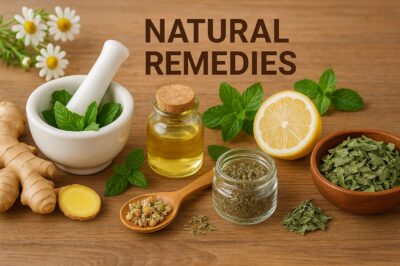
EMS Horses Natural Herbal Blends Efficacy, Skepticism & Reality
Chinese herbal blends for EMS horses show promise in managing insulin resistance. Combining herbs like jiaogulan and cinnamon bark, these formulations help regulate insulin and reduce inflammation, complementing diet and exercise. Horse owners report significant improvements, emphasizing a comprehensive approach to Equine Metabolic Syndrome management…
-

Insulin Regulation Supplements vs Traditional EMS Treatments: In-Depth Comparison
Explore how insulin regulation supplements like chromium and cinnamon compare to traditional EMS treatments. Understand the efficacy, scientific backing, and evolving pharmaceutical options to find the best metabolic management strategy for either equines or humans facing insulin challenges…
-

Kentucky Performance Products Elevate Maintenance Powder Supplement for Horses Review
If you’re looking for a supplement that can boost your horse’s health, the Elevate Maintenance Powder is worth considering. This product from Kentucky Performance Products provides a natural source of vitamin E, which many horses need for their overall well-being. Users have noted improvements in coat shine and skin conditions when using this supplement regularly.…
-
Pennwoods Organic Essential Mag Review: Best for Equine Calm?
With a powder form for easy to administer magnesium supplementation, Pennwoods Organic Essential Mag aims to help horses with several key issues such as cresty neck and glucose metabolism. Its lemony lime scent tries to appeal but this might actually deter some horses. This review aims to see how it stands up to the task…
-

Is Night Grazing Safer Than Daytime Grazing for EMS Horses?
Night grazing can be safer for EMS horses due to lower sugar in grass at night. Peak sugar levels occur in late afternoon, making pre-dawn hours an ideal grazing window. However, weather conditions can disrupt this, necessitating careful management and veterinary oversight for optimal horse health…
-

EMS Horse Joint Support Formulas & Exercise Routine Tips
Horses with Equine Metabolic Syndrome require special joint support to balance health and metabolic function. Supplements with glucosamine and omega-3s aid joint health, while low-impact exercises like walking enhance fitness without strain. Consult your vet to tailor the best plan for your horse’s needs…
-

Best Time to Graze Laminitic Horses: Guide and Tips
Managing a laminitic horse involves careful grazing strategies. Optimal grazing occurs between 3 AM and 10 AM when grass sugar levels are low. Avoid afternoon grazing, as sugar content peaks, and consider weather implications. Implement measures like grazing muzzles for pasture access while preventing laminitis flare-ups…
Follow Us
-
SmartPak SmartCombo Pellets Review: Are They Worth It for Your Horse? Jan 26 Update
-
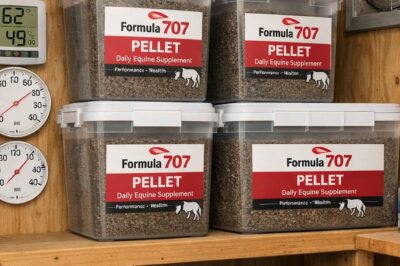
Formula 707 Storage & Handling: Why These Pellets Stay Stable Even in Sub-Optimal Conditions
-
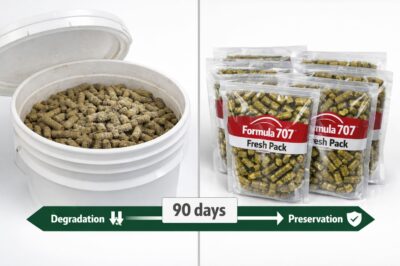
Horse Supplement Shelf Life: Why Pellets Lose 40% Potency in 90 Days – What Does Formula 707 Do Differently?
-

Formula 707 NASC Certification: Independent Testing Behind MetaStable Pellets
-
SmartPak SmartCombo Pellets Review: Are They Worth It for Your Horse? Jan 26 Update
-
Formula 707 Storage & Handling: Why These Pellets Stay Stable Even in Sub-Optimal Conditions
-
Horse Supplement Shelf Life: Why Pellets Lose 40% Potency in 90 Days – What Does Formula 707 Do Differently?
-
Formula 707 NASC Certification: Independent Testing Behind MetaStable Pellets
-

EMS Horse Supplements: Budget vs Premium Options Compared