
Key Takeaways
- Horses with Equine Metabolic Syndrome (EMS) require special dietary management to avoid herbs and plants that can worsen insulin resistance or trigger laminitis.
- High-sugar herbs and cereal grains like oats, corn, and barley should be eliminated from an EMS horse’s diet as they cause dangerous insulin spikes.
- Certain toxic plants like tansy ragwort and red maple are especially dangerous for metabolic horses whose systems are already compromised.
- Alfalfa, though nutritious for many horses, can be problematic for EMS horses due to its higher caloric content and potential to cause digestive issues when fed in limited amounts.
- Working with an equine nutritionist can help create a personalized feeding plan that supports your EMS horse’s specific metabolic needs.
Managing a horse with Equine Metabolic Syndrome requires careful attention to every aspect of their diet—including herbs that might seem harmless or even beneficial. What works for healthy horses can be dangerous for those with metabolic issues. The nutritionists at Mad Barn have found that proper herbal selection can make the difference between a well-managed EMS horse and one facing serious health complications.
List of 12 harmful herbs to EMS horses
- Tansy Ragwort
- Locoweed
- Oleander
- Red Maple
- Water Hemlock
- Yew
- Poison Hemlock
- Chasteberry
- St. John’s Wort
- Comfrey
- Black Walnut
- Fenugreek
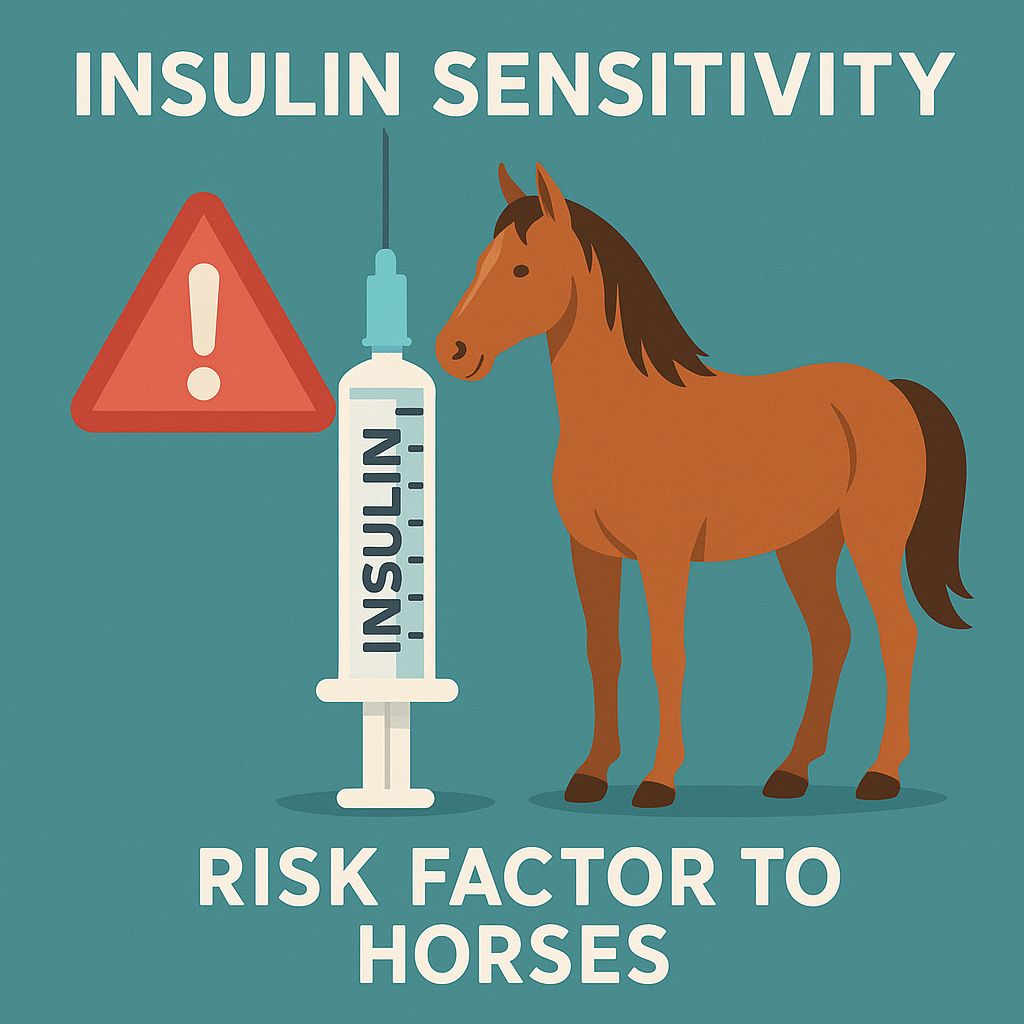
When it comes to metabolic horses, the wrong herbs can trigger insulin spikes, worsen insulin resistance, or even precipitate a laminitis episode. While many horse owners are aware of the need to restrict sugars and starches, the hidden dangers in common herbs and supplements often go unrecognized until problems arise. This comprehensive guide will help you identify potentially harmful herbs and protect your EMS horse’s health.
What Makes Certain Herbs Dangerous for EMS Horses
EMS Horse Risk Factors
• Reduced insulin sensitivity
• Inability to effectively metabolize dietary sugars
• Increased risk of laminitis
• Tendency toward obesity
• Compromised metabolic function
Equine Metabolic Syndrome fundamentally changes how a horse processes nutrients. Their bodies struggle with insulin resistance, meaning cells don’t respond properly to insulin signals. This creates a dangerous cycle where even small amounts of sugar or starch can cause abnormally high insulin levels that persist longer than in healthy horses. For these sensitive equines, certain herbs can be problematic for three main reasons.
First, some herbs naturally contain high levels of sugars, starches, or fructans that directly increase blood glucose and trigger insulin spikes. Even herbs marketed as “natural” or “medicinal” can contain these problematic compounds. Second, certain herbs may interfere with medications prescribed for EMS management or contain compounds that stress an already compromised liver. Finally, herbs with high caloric density can contribute to obesity—a key factor in worsening insulin resistance and EMS symptoms.
The challenge for most horse owners lies in identifying which herbs fall into these dangerous categories. Many supplements don’t fully disclose sugar content or potential interactions, making informed choices difficult without specialized knowledge. Understanding both the obvious and hidden risks is essential for protecting your metabolic horse’s health.
High-Sugar Herbs to Keep Out of Your EMS Horse’s Diet
The foundation of managing EMS starts with eliminating high-sugar foods from your horse’s diet. This includes not just obvious sweets like treats and molasses, but also certain herbs and plant materials that naturally contain elevated levels of sugars or compounds that affect blood glucose. Keeping these ingredients out of your horse’s feed bucket is essential for managing insulin levels and preventing laminitis episodes.
Cereal Grains: Why They Spike Insulin Levels
Cereal grains represent one of the most significant dangers for EMS horses. Oats, corn, barley, and wheat contain high levels of starch that rapidly converts to glucose during digestion. This creates a dangerous spike in blood sugar followed by an insulin surge—exactly what we’re trying to avoid in metabolic horses. Even small amounts of these grains can trigger problematic insulin responses in sensitive individuals.
The digestive system of horses with EMS can’t handle this glucose influx efficiently. While healthy horses might process moderate grain amounts without issue, those with metabolic issues experience prolonged elevated insulin levels that can persist for hours after feeding. Over time, this stress on the endocrine system worsens insulin resistance and increases laminitis risk.
Alfalfa: Benefits vs. Risks for Metabolic Horses
Alfalfa presents a complex case for EMS horses. While it’s lower in sugars and starches than many might expect, its higher protein and caloric density make it problematic for easy keepers with metabolic issues. Some EMS horses develop laminitis when fed alfalfa, though the exact mechanism isn’t fully understood. The higher calcium content and protein levels may affect certain metabolic pathways differently in insulin-resistant horses.
Hidden Sugar Sources in Common Herbal Supplements
Many commercial herbal blends contain ingredients that aren’t ideal for EMS horses. Carriers like molasses, apple flavoring, or honey are commonly added to improve palatability but can significantly increase the sugar content. Even herbs themselves can contain problematic levels of fructans or other sugars that aren’t obvious from the ingredient list. Licorice root, for example, contains glycyrrhizin, which can affect glucose metabolism and potentially worsen insulin resistance in sensitive individuals. For more information on how certain ingredients can impact metabolic support in horses, explore our detailed guide.
Always examine supplement labels carefully for terms like “sweetened,” “flavored,” or “palatability enhancer”—these often indicate added sugars. Ask manufacturers for the NSC (non-structural carbohydrate) values of their products, aiming for options below 10% for EMS horses. When in doubt, consult with an equine nutritionist who specializes in metabolic conditions before adding any herb to your horse’s regimen.
12 Most Harmful Herbs for Horses with Metabolic Issues
Beyond the general categories of problematic foods, specific plants pose exceptional dangers to EMS horses. These herbs contain compounds that are directly toxic or create metabolic disruptions that can be catastrophic for insulin-resistant equines. Identifying these plants in pastures, hay, and supplements is crucial for preventing serious health complications.
1. Tansy Ragwort: Toxic Effects on Liver Function
Tansy ragwort (Senecio spp.) contains pyrrolizidine alkaloids that cause progressive and irreversible liver damage. For EMS horses, who may already have stressed liver function due to metabolic issues, this plant is particularly dangerous. The liver plays a critical role in glucose metabolism, and damage from these alkaloids can worsen insulin resistance and the body’s ability to regulate blood sugar.
What makes tansy ragwort especially treacherous is that horses don’t typically avoid it in hay, where it loses its bitter taste but retains its toxicity. Even small amounts consumed over time can accumulate to cause liver failure. For an EMS horse whose system is already compromised, the threshold for damage may be significantly lower than in healthy horses.
2. Locoweed: Neurological Dangers and EMS Complications
Locoweed (Astragalus spp. or Oxytropis spp.) contains swainsonine, a compound that disrupts cellular metabolism by inhibiting enzymes necessary for proper nervous system function. In EMS horses, this creates a dangerous combination of problems. The neurological effects impair coordination and balance, while the metabolic disruption further compromises the horse’s already challenged insulin regulation.
Horses that consume locoweed often develop a preference for it, creating a cycle of increasing consumption and worsening symptoms. The plant interferes with cellular energy production and can accelerate metabolic dysfunction in horses already struggling with EMS. Early signs include weight loss despite continued eating, which can sometimes be misinterpreted as an improvement in an overweight EMS horse when it’s actually indicating serious toxicity. For those managing EMS horses, understanding the impact of natural herbal blends can be crucial.
3. Oleander: Cardiac Toxicity Risks
Oleander (Nerium oleander) contains cardiac glycosides similar to digitalis that directly affect heart function. For EMS horses, who may already have increased cardiovascular stress due to obesity and metabolic dysfunction, oleander represents a potentially fatal risk. The plant disrupts the heart’s electrical impulses, leading to arrhythmias and potential cardiac arrest.
All parts of the oleander plant are toxic, and as little as 30-40 leaves can be lethal to an adult horse. What’s particularly concerning is that dried oleander remains just as toxic, so contamination in hay is a serious concern. The cardiac effects can compound the stress already placed on an EMS horse’s cardiovascular system, making them potentially more vulnerable to smaller amounts than healthy horses.
4. Red Maple: Why It’s Particularly Dangerous
Red maple (Acer rubrum) leaves, especially when wilted or dried, contain a toxin that causes severe hemolytic anemia by damaging red blood cells. For EMS horses, this creates a dangerous cascade effect. The damaged cells can’t effectively carry oxygen, creating tissue hypoxia that further stresses metabolic function and can trigger laminitis—already a high risk for insulin-resistant horses.
Even small amounts of wilted red maple leaves can cause damage, with as little as 1.5 pounds potentially fatal to a 1,000-pound horse. The clinical signs, including dark urine, lethargy, and increased respiratory rate, may appear within 12-48 hours of consumption. For EMS horses, this rapid onset of additional metabolic stress can quickly overwhelm their already compromised systems.
5. Water Hemlock: Acute Toxicity Concerns
Water hemlock (Cicuta spp.) is considered one of the most violently toxic plants in North America, containing cicutoxin that directly attacks the central nervous system. For horses with EMS, the violent seizures and respiratory distress caused by water hemlock consumption create an acute medical emergency that their compromised systems are less equipped to survive.
The plant is most dangerous in spring and early summer when its toxic concentration is highest. What makes water hemlock particularly treacherous is that horses don’t naturally avoid it, and the roots—the most toxic part—can be exposed and accessible during wet conditions when streambanks erode. Death can occur within hours of consumption, often before treatment can be administered.
6. Yew: Fatal Even in Small Amounts
All parts of the yew plant (Taxus spp.) except the red aril surrounding the seed contain taxine alkaloids that cause sudden cardiac arrest. For EMS horses whose cardiovascular systems may already be under strain from metabolic dysfunction, even tiny amounts of yew can prove rapidly fatal. As little as 8-16 ounces can kill a 1,000-pound horse, often within minutes to hours after consumption.
Yew clippings remain toxic even when dried, creating risk when yard waste is disposed of near horse pastures. The plant’s evergreen nature means it provides green foliage year-round, making it tempting to horses during winter when other greens are scarce. For EMS horses already on restricted diets to manage their condition, this seemingly innocent greenery can represent a deadly temptation.
7. Poison Hemlock: Recognizing and Avoiding Exposure
Poison hemlock (Conium maculatum) contains multiple neurotoxic alkaloids that block nerve impulse transmission, leading to respiratory paralysis. The plant is easily confused with harmless Queen Anne’s lace or wild carrot, but can be identified by its smooth stems with purple spots. For EMS horses, the respiratory distress caused by hemlock poisoning is particularly dangerous, as their cardiovascular systems may already be compromised.
The toxins in poison hemlock affect the neuromuscular junctions, gradually paralyzing the respiratory muscles while the horse remains conscious. This creates an especially distressing condition that progresses from weakness and trembling to collapse and respiratory failure. Unlike some toxins that degrade with drying, poison hemlock remains dangerous even when dried in hay, creating a hidden risk for stabled EMS horses on controlled diets.
8. Chasteberry: Hormone Interactions with EMS Medications
Chasteberry (Vitex agnus-castus) is commonly included in herbal blends for mares but can create complications for horses with EMS. The herb affects dopamine receptors and can influence prolactin and other hormone levels, potentially interfering with medications prescribed for metabolic management. For EMS horses taking medications like metformin or thyroid supplements, these interactions can reduce treatment effectiveness.
9. St. John’s Wort: Drug Interactions and Photosensitivity
St. John’s Wort (Hypericum perforatum) contains compounds that induce liver enzymes responsible for drug metabolism, potentially reducing the effectiveness of medications prescribed for EMS management. This herb also contains hypericin, which causes photosensitivity—making horses more vulnerable to sun damage, especially those with light-colored skin.
The photosensitizing effects are particularly problematic for EMS horses who may already have compromised circulation in their extremities. The resulting sunburn and skin inflammation can create additional stress and discomfort, potentially triggering stress-related insulin spikes that worsen metabolic control. For horses taking multiple medications to manage their EMS, the drug interactions can create unpredictable treatment outcomes.
10. Comfrey: Liver Risks for Already Compromised Horses
Despite its reputation for healing properties, comfrey (Symphytum officinale) contains pyrrolizidine alkaloids similar to those in tansy ragwort that cause progressive liver damage. For EMS horses whose metabolic function depends heavily on proper liver function, these compounds create additional strain on an already challenged system.
11. Black Walnut: Laminitis Trigger for Sensitive Horses
Black walnut (Juglans nigra) exposure, even through shavings containing as little as 20% black walnut, can trigger laminitis in sensitive horses within 24-48 hours. The exact mechanism isn’t fully understood, but the toxic principle appears to affect blood flow to the hooves. For EMS horses already predisposed to laminitis due to insulin resistance, black walnut represents an acute danger that can trigger painful episodes even with minimal exposure.
What makes black walnut particularly insidious is that horses don’t need to consume it for effects to occur—simply standing on shavings containing black walnut can cause absorption through the hooves. This creates risk not just from pasture trees but also from contaminated bedding or even wood used in stall construction. The laminitis triggered by black walnut can be particularly severe in metabolic horses whose circulation to the extremities may already be compromised.
12. Fenugreek: Blood Sugar Impacts
Fenugreek (Trigonella foenum-graecum) presents a complex case for EMS horses. While sometimes promoted for its potential to improve insulin sensitivity in humans and other animals, it can affect blood glucose levels unpredictably. For horses on carefully managed diets and medication protocols, these unexpected shifts in blood sugar can complicate metabolic control and potentially increase laminitis risk. For more information on managing metabolic conditions in horses, you can refer to this guide on feeding metabolic horses.
The seeds contain compounds that influence carbohydrate metabolism and may alter how quickly sugars enter the bloodstream. Without careful monitoring, these effects can undermine the strict glycemic control that’s essential for managing EMS. Some horses may experience beneficial effects, while others might have adverse reactions—making it an unpredictable choice without veterinary supervision.
Safe Herb Alternatives for Metabolic Horses
While many herbs pose risks for EMS horses, several beneficial options can support their health without compromising metabolic stability. The key is selecting herbs with minimal sugar content that offer therapeutic benefits without disrupting insulin regulation. These safer alternatives can address common health concerns while maintaining the strict dietary requirements necessary for metabolic management.
When selecting herbs for EMS horses, focus on those with demonstrated anti-inflammatory properties, gentle detoxification support, or stress-reducing effects that don’t impact blood glucose. Always introduce any new herb gradually, monitoring for adverse reactions, and consult with an equine veterinarian familiar with herbal medicine before making significant changes to your horse’s regimen.
Anti-Inflammatory Options That Don’t Affect Insulin
Several herbs offer anti-inflammatory benefits without the risks associated with NSAIDs or sugar-containing supplements. Devil’s claw (Harpagophytum procumbens) contains harpagosides that provide pain relief and reduced inflammation without affecting insulin sensitivity. Similarly, turmeric (Curcuma longa) contains curcumin, which has demonstrated anti-inflammatory properties without impacting blood glucose when used in appropriate amounts. Both can be particularly helpful for EMS horses dealing with joint discomfort from carrying excess weight.
Herbs That Support Liver Function Safely
Milk thistle (Silybum marianum) contains silymarin, which supports liver function by promoting cell regeneration and protecting against oxidative damage. This gentle support can be valuable for EMS horses whose livers work harder to manage metabolic dysfunction. Dandelion root (Taraxacum officinale) provides mild diuretic effects and liver support without containing problematic sugars, though its leaves should be avoided as they can contain higher fructan levels. These herbs help maintain proper detoxification pathways without stressing insulin regulation.
Low-Sugar Calming Supplements
For EMS horses needing behavioral support, several calming herbs offer benefits without added sugars. Valerian root (Valeriana officinalis) affects GABA receptors in the brain, producing mild sedative effects without impacting blood glucose. Chamomile (Matricaria recutita) provides gentle calming properties and supports digestive function, which can be particularly beneficial for EMS horses prone to stress-related digestive disturbances. These alternatives provide safer options than the molasses-based calming supplements commonly marketed to horse owners.
Creating a Safe Feeding Plan for Your EMS Horse
Developing a comprehensive feeding strategy for an EMS horse requires attention to detail and consistency. The foundation begins with a forage-based diet low in non-structural carbohydrates (NSC), typically less than 10-12% NSC for most metabolic horses. This careful management extends beyond just eliminating harmful herbs—it encompasses evaluating every component entering your horse’s system and creating a balanced approach that addresses nutritional needs without triggering metabolic instability.
Regular body condition scoring and weight monitoring are essential components of an effective management plan. Many EMS horses benefit from wearing grazing muzzles during turnout or having strictly limited grazing time, especially during spring and fall when pasture sugar content peaks. Implementing a consistent exercise program (when laminitis is not active) further supports insulin sensitivity and helps manage weight—critical factors in controlling EMS progression.
How to Read Supplement Labels for Hidden Dangers
Supplement labels require careful scrutiny when managing an EMS horse. Look beyond the active ingredients to examine carriers, fillers, and palatability enhancers that might contain hidden sugars. Terms like dextrose, maltodextrin, sucrose, and fructose directly indicate sugar content. Other terms like “natural flavoring” or “palatability enhancer” often signal the presence of sweet additives that could impact blood glucose. Always contact manufacturers to request specific NSC values if they’re not listed on the product—reputable companies will provide this information for metabolic-sensitive horses.
Working with Your Vet to Evaluate Herbal Products
Partnering with a veterinarian who understands both conventional medicine and herbal supplementation provides invaluable guidance for EMS management. Bring all supplement labels to veterinary appointments and discuss potential interactions with prescribed medications. Some herbs can alter drug metabolism or create additive effects that necessitate dosage adjustments.
A knowledgeable veterinarian can help evaluate the research behind herbal products and distinguish between marketing claims and evidence-based benefits. They can also recommend appropriate diagnostic monitoring to ensure that any supplements are supporting rather than hindering your horse’s metabolic health. This collaborative approach creates a more comprehensive treatment plan that safely incorporates beneficial herbs while avoiding those that pose risks.
Signs Your Horse Is Reacting Poorly to an Herb
Monitoring for adverse reactions becomes particularly important when introducing any new supplement to an EMS horse. Watch for subtle changes in drinking or urination patterns, which may indicate kidney or liver stress from herb processing. Changes in manure consistency, appetite, or behavior can signal digestive upset or systemic reactions to herbal compounds. Most critically for EMS horses, be vigilant for any signs of foot soreness, increased digital pulses, or shifting weight—early indicators of laminitis that require immediate veterinary attention and supplement discontinuation.
Temperature changes in the hooves, increased heart rate, or unusual sweating patterns may indicate metabolic disruption from a problematic herb. Document when supplements are started and any changes observed, creating a clear timeline that helps identify cause-and-effect relationships. Remember that reactions can sometimes develop gradually over days or weeks rather than appearing immediately after administration. For more insights on herbal blends, explore our article on EMS horses’ natural herbal blends.
The Bottom Line: Protecting Your Metabolic Horse
Managing an EMS horse successfully requires a proactive, educated approach to every aspect of their diet and environment. The herbs and plants discussed in this guide represent significant risks for metabolic horses, but knowledge is your best defense against accidental exposure. Regular pasture walks to identify and remove toxic plants, careful hay selection, and meticulous supplement evaluation create layers of protection against harmful substances entering your horse’s system.
Beyond avoiding harmful herbs, focus on creating a comprehensive management program that includes appropriate exercise, limited grazing, stress reduction, and regular veterinary monitoring. These elements work together synergistically to manage insulin resistance more effectively than dietary restrictions alone. Remember that EMS management is rarely static—seasonal changes, aging, and other factors may necessitate adjustments to maintain optimal control.
With careful management and the right professional guidance, horses with EMS can live comfortable, active lives for many years.
Frequently Asked Questions
The complexities of managing EMS horses raise many questions about herbal safety and dietary management. These frequently asked questions address common concerns and provide practical guidance for metabolic horse care.
Can I give my EMS horse any herbs at all?
Yes, certain herbs can be safely incorporated into an EMS horse’s regimen when properly selected and administered. Focus on herbs with minimal sugar content that don’t interfere with insulin sensitivity or metabolism. Examples include milk thistle for liver support, devil’s claw for inflammation (when not contraindicated by other conditions), and small amounts of cinnamon, which some research suggests may support healthy glucose metabolism. Always introduce herbs gradually, monitor for adverse reactions, and consult with your veterinarian before adding any supplement to an EMS horse’s diet.
How quickly can harmful herbs affect a horse with EMS?
The timeline varies significantly depending on the specific herb and the individual horse’s sensitivity. Acute toxins like yew or water hemlock can cause severe symptoms within hours or even minutes of ingestion. Other harmful herbs might create more gradual effects, with metabolic disruption developing over days or weeks of consumption.
For EMS horses specifically, herbs that impact insulin sensitivity or trigger inflammation may show effects within 24-48 hours, particularly if they precipitate a laminitic episode. The cumulative impact of inappropriate herbs can sometimes be subtle at first—slight increases in thirst, minor behavior changes, or mild foot sensitivity that progressively worsens with continued exposure.
Will soaking hay remove harmful compounds for my EMS horse?
Soaking hay can reduce water-soluble carbohydrates by approximately 30%, making it helpful for managing sugar content for EMS horses. However, soaking will not remove or neutralize most toxic plant compounds if they’re present in the hay. Alkaloids, glycosides, and other toxins found in harmful plants like tansy ragwort or poison hemlock remain dangerous even after soaking. Your best protection is sourcing clean hay from reputable producers who can verify their fields are free from toxic weeds, rather than relying on soaking to remove potential toxins.
Are “natural” supplements always safe for metabolic horses?
No, the term “natural” provides no guarantee of safety for EMS horses. Many potentially harmful compounds are completely natural—after all, toxic plants like oleander and water hemlock are entirely natural but deadly. Natural supplements often contain sweeteners like molasses or honey, carriers like grain by-products, or herbs that may themselves impact insulin sensitivity. Always evaluate supplements based on their specific ingredients and nutritional analysis rather than marketing terms like “natural” or “holistic.” Request NSC values from manufacturers and discuss all supplements with your veterinarian before feeding them to a metabolic horse.
How do I know if my horse has eaten a toxic plant?
Signs vary depending on the plant consumed but often include sudden behavioral changes, digestive disturbances, neurological symptoms, or signs of physical discomfort. For EMS horses, early indicators of metabolic disruption include increased digital pulses, foot sensitivity, or unusual sweating patterns. If you suspect toxic plant consumption, immediately remove access to the suspected source, contact your veterinarian, and if possible, collect samples of the plant for identification. Take photos of any unusual plants in your pasture or hay, as this can help with identification and treatment planning. Quick action can be life-saving, especially with fast-acting toxins that affect already compromised metabolic horses.
Maintaining a photo record of all plants growing in your horse’s environment can provide valuable reference material if poisoning is suspected. Consider walking your pastures seasonally with a local extension agent or botanist who can identify potentially harmful species before they become problematic. This proactive approach helps prevent accidental exposure rather than reacting to toxicity after it occurs.





Leave a Reply