
equine
feed info
-
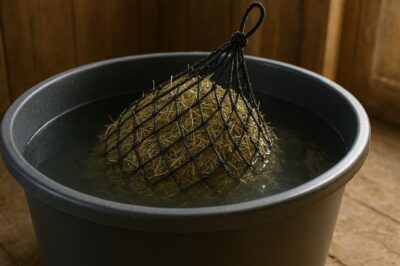
Soaked Hay vs Hay Steaming: The Best Way to Reduce Sugar in Hay
Key Takeaways: The direct answer: Soaking hay is more effective than steaming for reducing sugar content in hay, with soaking removing 8-50% of sugars compared to steaming’s 0-18% reduction. However, soaking increases bacterial growth and mineral loss, while steaming preserves nutrients and hygiene. The most effective approach combines 9 hours of soaking followed by 50 minutes…
-
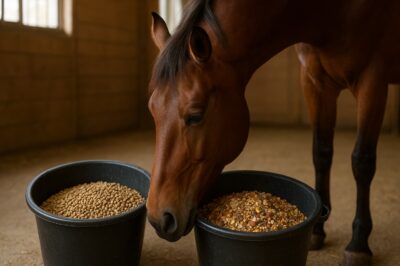
Pelleted Feed vs Textured Feed for Horses with Metabolic Issues: Making the Right Choice
Key Takeaways Pelleted feed is the better choice for horses with metabolic issues because it produces lower insulin and glucose responses while preventing selective eating that can lead to nutritional imbalances. The uniform processing and controlled NSC content make pelleted feeds safer and more predictable for managing conditions like Equine Metabolic Syndrome. Understanding the Feed Forms:…
-
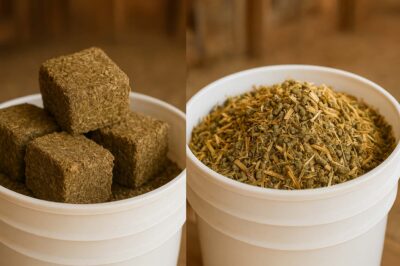
Standlee Timothy vs Dengie Hi-Fi Molasses Free: Which Low Sugar Forage Is Right for Your Metabolic Horse?
Key Takeaways When managing horses with Equine Metabolic Syndrome (EMS), insulin resistance, or laminitis, choosing the right low-sugar forage can feel overwhelming. Standlee Alfalfa-Timothy Cubes and Dengie Hi-Fi Molasses Free are both popular choices, but they serve different purposes. Dengie Hi-Fi is best for horses needing the absolute lowest sugar and starch levels with controlled calories,…
-

Phoenix EMS Horse Feed Stores with Desert Climate Nutrition Tips
Key Takeaways Managing horses with Equine Metabolic Syndrome in Phoenix’s desert climate requires finding the right feed stores and understanding how extreme heat affects metabolic health. Arizona horse owners need specialized low-NSC feeds combined with desert-specific nutrition strategies to keep their EMS horses healthy and comfortable year-round. Phoenix Area Horse Feed Stores Directory Finding quality…
-

Canada EMS Horse Feed for Cold Climate Nutrition Requirements: Complete Guide
Key Takeaways Feeding EMS horses in Canadian winters requires balancing increased calorie needs for warmth with strict sugar and starch control to prevent insulin dysregulation and laminitis. The safest approach centers on providing extra low-NSC forage paired with high-fat supplements, never high-starch grains. Understanding EMS and Canadian Winter Challenges Equine Metabolic Syndrome creates unique challenges…
-
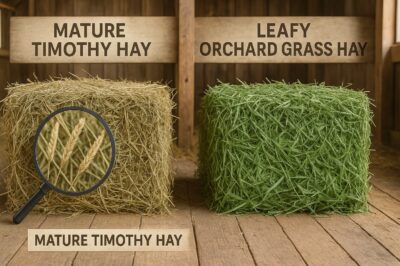
Timothy Hay vs Orchard Grass: Best Low Sugar Forage Options for Metabolic Horses
Key Takeaways For horses requiring low sugar forage, timothy hay cut at maturity is the preferred choice over orchard grass, though individual testing remains essential for confirming safe NSC levels. Understanding Low Sugar Forage Requirements Horses with metabolic conditions including insulin resistance, equine metabolic syndrome (EMS), and laminitis history require careful forage selection to prevent…
-
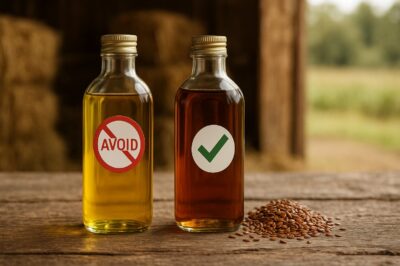
Rice Bran Oil vs Flax Seed Oil: Best Fat Sources for EMS Horses
Key Takeaways For EMS horses requiring fat supplementation, flax seed oil is the clear winner due to its ability to stabilize blood sugar and reduce inflammation, while rice bran oil should be avoided as it may worsen insulin resistance. Understanding Fat Requirements for EMS Horses Horses with Equine Metabolic Syndrome face unique dietary challenges that…
-
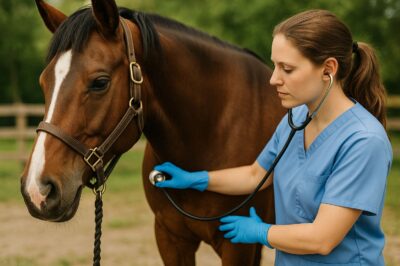
Is Night Grazing Safer Than Daytime Grazing for EMS Horses?
Night grazing can be safer for EMS horses due to lower sugar in grass at night. Peak sugar levels occur in late afternoon, making pre-dawn hours an ideal grazing window. However, weather conditions can disrupt this, necessitating careful management and veterinary oversight for optimal horse health…
-

Best Time to Graze Laminitic Horses: Guide and Tips
Managing a laminitic horse involves careful grazing strategies. Optimal grazing occurs between 3 AM and 10 AM when grass sugar levels are low. Avoid afternoon grazing, as sugar content peaks, and consider weather implications. Implement measures like grazing muzzles for pasture access while preventing laminitis flare-ups…
-

Sugar Removal from Soaking Hay: Guide for Overweight Horses
Struggling with an overweight equine friend? Soaking hay is a proven method to reduce sugar levels by 27-50%, crucial for horses with metabolic issues. Discover the science behind how this technique can improve your horse’s health and help them maintain a healthy weight effectively…
Follow Us
Recent Posts
- SmartPak SmartCombo Pellets Review: Are They Worth It for Your Horse? Jan 26 Update
- Formula 707 Storage & Handling: Why These Pellets Stay Stable Even in Sub-Optimal Conditions
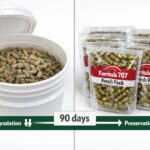
- Horse Supplement Shelf Life: Why Pellets Lose 40% Potency in 90 Days – What Does Formula 707 Do Differently?
- Formula 707 NASC Certification: Independent Testing Behind MetaStable Pellets

- EMS Horse Supplements: Budget vs Premium Options Compared

Categories
- feed info 15
- general 54
- metabolic supplements 107