
equine

-

Florida EMS Horse Feed Stores with Humid Weather Nutrition Tips: Complete Resource Guide
Key Takeaways Managing EMS horses in Florida requires specialized feed sourcing and nutrition strategies tailored to the state’s unique humid subtropical climate. Unlike dry heat environments, Florida’s persistent humidity creates additional challenges including rapid feed spoilage, increased sweat rates, and year-round metabolic stress that demand expert local knowledge and resources. Understanding Florida’s Unique EMS Challenges Florida’s…
-
Texas EMS Horse Supplements for Hot Climate Management: Complete Care Guide
Key Takeaways Managing EMS horses in Texas requires specialized supplementation that addresses both metabolic dysfunction and extreme heat stress simultaneously. The challenge lies in providing adequate nutritional support without compromising insulin sensitivity or triggering laminitis episodes during the state’s brutal summer months. Understanding Texas Heat Challenges for EMS Horses Texas summers create a perfect storm for…
-

Organic Natural EMS Horse Supplements with Chemical-Free Options
Key Takeaways Article Summary Organic natural EMS horse supplements offer chemical-free solutions for managing insulin resistance and metabolic syndrome in horses. These whole-food based supplements, including organic herbs like cinnamon, turmeric, and fenugreek, work naturally to support healthy blood sugar levels and reduce inflammation without the risks associated with synthetic additives or chemical processing. Understanding…
-
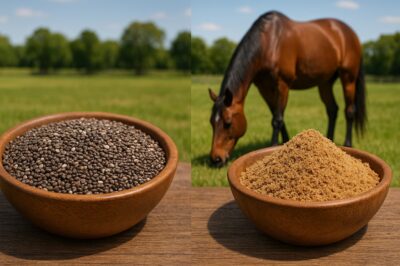
Chia Seeds vs Ground Flax for Horses: Which Omega-3 Source Works Best for EMS Management?
Key Takeaways Quick Answer: For EMS horses, both chia seeds and ground flax provide excellent omega-3 support. Choose chia for convenience and stability, or ground flax for budget-friendly feeding with slightly better omega ratios that support metabolic health. Your Priority Best Choice Why This Works Managing EMS/insulin resistance Ground Flax Research shows improved insulin sensitivity; ideal…
-
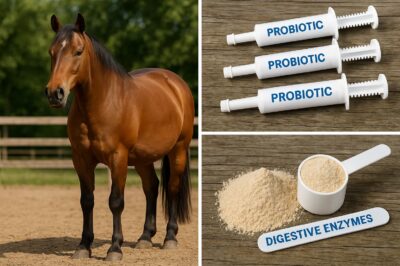
Probiotic Paste vs Digestive Enzymes for Gut Health in EMS Horses
Key Takeaways Article Summary For EMS horses, digestive enzymes provide better daily gut support by improving fiber digestion and nutrient absorption from restricted diets, while probiotic pastes serve as emergency interventions during acute stress periods. The most effective approach combines both supplements with strict dietary management. Understanding EMS and Gut Health Challenges Equine Metabolic Syndrome…
-

Pelleted Feed vs Textured Feed for Horses with Metabolic Issues: Making the Right Choice
Key Takeaways Article Summary For horses with metabolic conditions like EMS, insulin resistance, and Cushing’s disease, pelleted feeds are generally preferred over textured feeds due to lower sugar and starch content, greater nutritional consistency, and more precise nutrient formulation that helps maintain controlled blood glucose and insulin levels [1][2][3]. Feed Type Best For NSC Range…
-
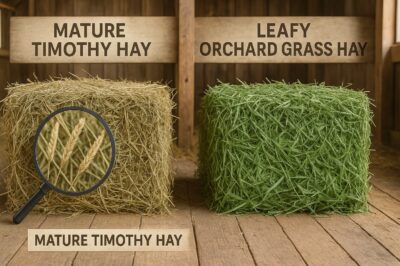
Timothy Hay vs Orchard Grass: Best Low Sugar Forage Options for Metabolic Horses
Key Takeaways For horses requiring low sugar forage, timothy hay cut at maturity is the preferred choice over orchard grass, though individual testing remains essential for confirming safe NSC levels. Understanding Low Sugar Forage Requirements Horses with metabolic conditions including insulin resistance, equine metabolic syndrome (EMS), and laminitis history require careful forage selection to prevent…
-
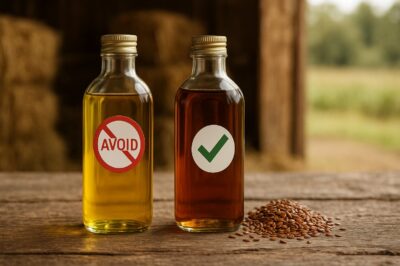
Rice Bran Oil vs Flax Seed Oil: Best Fat Sources for EMS Horses
Key Takeaways For EMS horses requiring fat supplementation, flax seed oil is the clear winner due to its ability to stabilize blood sugar and reduce inflammation, while rice bran oil should be avoided as it may worsen insulin resistance. Understanding Fat Requirements for EMS Horses Horses with Equine Metabolic Syndrome face unique dietary challenges that…
-
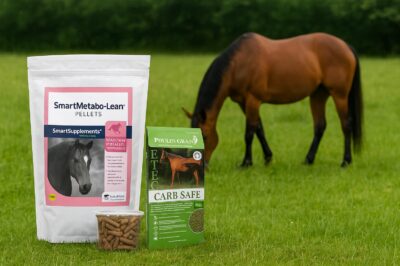
SmartPak SmartMetabo-Lean vs Poulin Grain E-TEC Carb Safe for Insulin Resistance
Key Takeaways • SmartMetabo-Lean is a targeted supplement with 5mg chromium and 5,000mg magnesium for horses on hay-only diets, while E-TEC Carb Safe is a complete low-glycemic feed with only 5.4% NSC for horses needing grain-based nutrition • Different feeding approaches serve different needs – SmartMetabo-Lean supplements existing diets, while E-TEC Carb Safe replaces conventional…
-
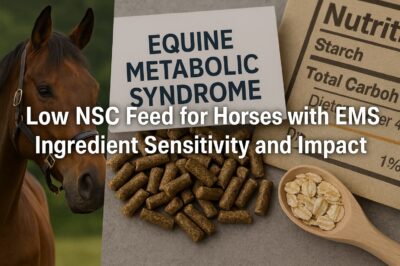
Low NSC Feed for Horses with EMS – Ingredient Sensitivity and Impact
Key Takeaways Article Summary Low NSC feed for EMS horses must contain less than 10% non-structural carbohydrates while providing essential nutrients through safe fiber sources, quality fats, and targeted micronutrients to prevent laminitis and support metabolic recovery. Understanding NSC Requirements for EMS Horses Horses diagnosed with Equine Metabolic Syndrome face a critical nutritional challenge that…
Follow Us
-
SmartPak SmartCombo Pellets Review: Are They Worth It for Your Horse? Jan 26 Update
-
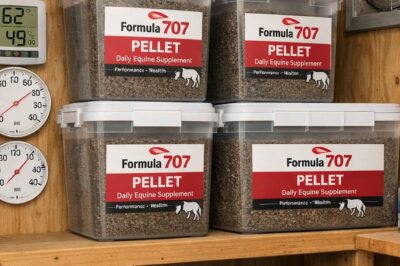
Formula 707 Storage & Handling: Why These Pellets Stay Stable Even in Sub-Optimal Conditions
-
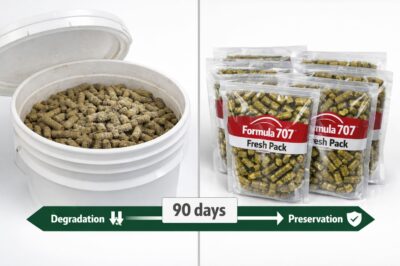
Horse Supplement Shelf Life: Why Pellets Lose 40% Potency in 90 Days – What Does Formula 707 Do Differently?
-

Formula 707 NASC Certification: Independent Testing Behind MetaStable Pellets
-
SmartPak SmartCombo Pellets Review: Are They Worth It for Your Horse? Jan 26 Update
-
Formula 707 Storage & Handling: Why These Pellets Stay Stable Even in Sub-Optimal Conditions
-
Horse Supplement Shelf Life: Why Pellets Lose 40% Potency in 90 Days – What Does Formula 707 Do Differently?
-
Formula 707 NASC Certification: Independent Testing Behind MetaStable Pellets
-

EMS Horse Supplements: Budget vs Premium Options Compared