
equine

-

Soaked Hay vs Hay Steaming: The Best Way to Reduce Sugar in Hay
Key Takeaways: The direct answer: Soaking hay is more effective than steaming for reducing sugar content in hay, with soaking removing 8-50% of sugars compared to steaming’s 0-18% reduction. However, soaking increases bacterial growth and mineral loss, while steaming preserves nutrients and hygiene. The most effective approach combines 9 hours of soaking followed by 50 minutes…
-

Kelp Meal vs Salt Blocks for Natural Mineral Sources: Which One Does Your Horse Really Need?
Key Takeaways Article Summary Horses require daily sodium from salt blocks or loose salt to maintain hydration, nerve function, and metabolic health, but trace minerals like copper, zinc, and selenium are just as important and typically lacking in forage alone. While kelp meal offers concentrated iodine and some trace minerals to support thyroid function and…
-

Slow Feed Hay Nets vs Grazing Muzzles for Weight Management
Key Takeaways When managing weight in horses with metabolic issues, slow feed hay nets and grazing muzzles serve different but complementary purposes—hay nets control the speed of hay consumption in confined spaces, while grazing muzzles restrict grass intake on pasture. Your choice depends entirely on where your horse eats and what type of forage they’re consuming.…
-

Pelleted Feed vs Textured Feed for Horses with Metabolic Issues: Making the Right Choice
Key Takeaways Pelleted feed is the better choice for horses with metabolic issues because it produces lower insulin and glucose responses while preventing selective eating that can lead to nutritional imbalances. The uniform processing and controlled NSC content make pelleted feeds safer and more predictable for managing conditions like Equine Metabolic Syndrome. Understanding the Feed Forms:…
-

Rice Bran Oil vs Flax Seed Oil: Best Fat Sources for EMS Horses
Key Takeaways For horses with Equine Metabolic Syndrome, flaxseed oil is the clear winner over rice bran oil. Flaxseed oil’s high omega-3 content helps reduce inflammation and improves insulin sensitivity, while rice bran oil’s omega-6 fatty acids and gamma-oryzanol can worsen metabolic dysfunction. Choose flaxseed oil to support your EMS horse’s metabolic health, coat quality, and…
-
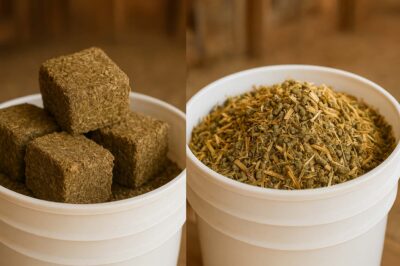
Standlee Timothy vs Dengie Hi-Fi Molasses Free: Which Low Sugar Forage Is Right for Your Metabolic Horse?
Key Takeaways When managing horses with Equine Metabolic Syndrome (EMS), insulin resistance, or laminitis, choosing the right low-sugar forage can feel overwhelming. Standlee Alfalfa-Timothy Cubes and Dengie Hi-Fi Molasses Free are both popular choices, but they serve different purposes. Dengie Hi-Fi is best for horses needing the absolute lowest sugar and starch levels with controlled calories,…
-

Chromium vs Magnesium for Insulin Resistance in Horses: Which Works Better?
Key Takeaways When your horse struggles with insulin resistance or equine metabolic syndrome, chromium propionate offers more robust scientific support for improving insulin sensitivity than magnesium supplementation alone. While both minerals play roles in glucose metabolism, chromium supplementation at 2-4 mg daily has demonstrated measurable improvements in how horses process carbohydrates, whereas magnesium’s benefits appear primarily…
-

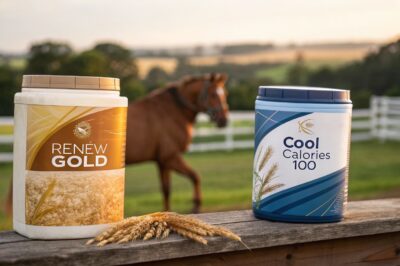
Renew Gold vs Cool Calories 100: Best Fat Supplement for EMS Horses
Key Takeaways: Cool Calories 100 is the superior fat supplement for EMS horses because it contains zero sugar and starch, while Renew Gold’s 15% starch content can elevate insulin levels and increase laminitis risk in metabolically compromised horses. Understanding Fat Supplements for EMS Horses When your horse battles Equine Metabolic Syndrome, every feed decision becomes…
-

SmartDigest Ultra vs Probios Horse Probiotic Paste: Which Probiotic is Right for Your Horse?
Key Takeaways: When comparing horse probiotic comparison options, SmartDigest Ultra offers comprehensive daily gut health support with probiotics, prebiotics and digestive enzymes, while Probios Horse Probiotic Paste provides targeted short-term bacterial support for stress and recovery situations. Understanding which probiotic paste for horses fits your specific needs helps protect your horse’s digestive health and overall wellbeing.…
-

ProElite Topline Advantage vs Uckele CocoSoya Oil for Daily Nutrition
Key Takeaways Article Summary ProElite Topline Advantage is a high-protein ration balancer (55% crude protein) delivering concentrated amino acids for topline and muscle development along with vitamins and minerals, while Uckele CocoSoya Oil is a high-fat supplement (98% fatty acids) providing omega-3, -6, and -9 for weight gain and coat health. ProElite builds muscle with…
Follow Us
-

SmartPak SmartCombo Pellets Review: Are They Worth It for Your Horse? Jan 26 Update
-
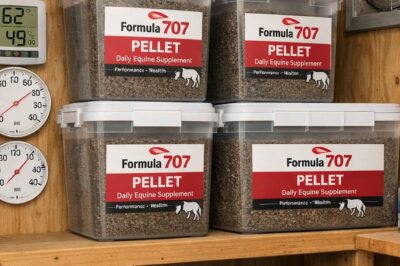
Formula 707 Storage & Handling: Why These Pellets Stay Stable Even in Sub-Optimal Conditions
-
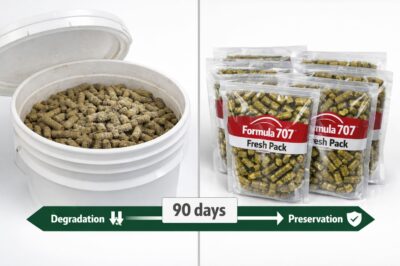
Horse Supplement Shelf Life: Why Pellets Lose 40% Potency in 90 Days – What Does Formula 707 Do Differently?
-

Formula 707 NASC Certification: Independent Testing Behind MetaStable Pellets
-
SmartPak SmartCombo Pellets Review: Are They Worth It for Your Horse? Jan 26 Update
-
Formula 707 Storage & Handling: Why These Pellets Stay Stable Even in Sub-Optimal Conditions
-
Horse Supplement Shelf Life: Why Pellets Lose 40% Potency in 90 Days – What Does Formula 707 Do Differently?
-
Formula 707 NASC Certification: Independent Testing Behind MetaStable Pellets
-

EMS Horse Supplements: Budget vs Premium Options Compared