
Key Takeaways
A personalized horse feeding plan ensures that your horse gets the right nutrients based on its age, weight, and activity level.
High-starch diets can lead to health problems like colic and laminitis, so controlling starch intake is crucial.
Low-starch feed options are available and can be a safer alternative for horses with specific dietary needs.
Regular monitoring and adjustments to the feeding plan are essential for maintaining your horse’s health.
Consulting with a nutritional expert can help tailor a feeding plan that meets all of your horse’s dietary requirements.
Safe Personalized Horse Feeding Plans & Starch Control Guide
The Importance of a Personalized Feeding Plan for Horses
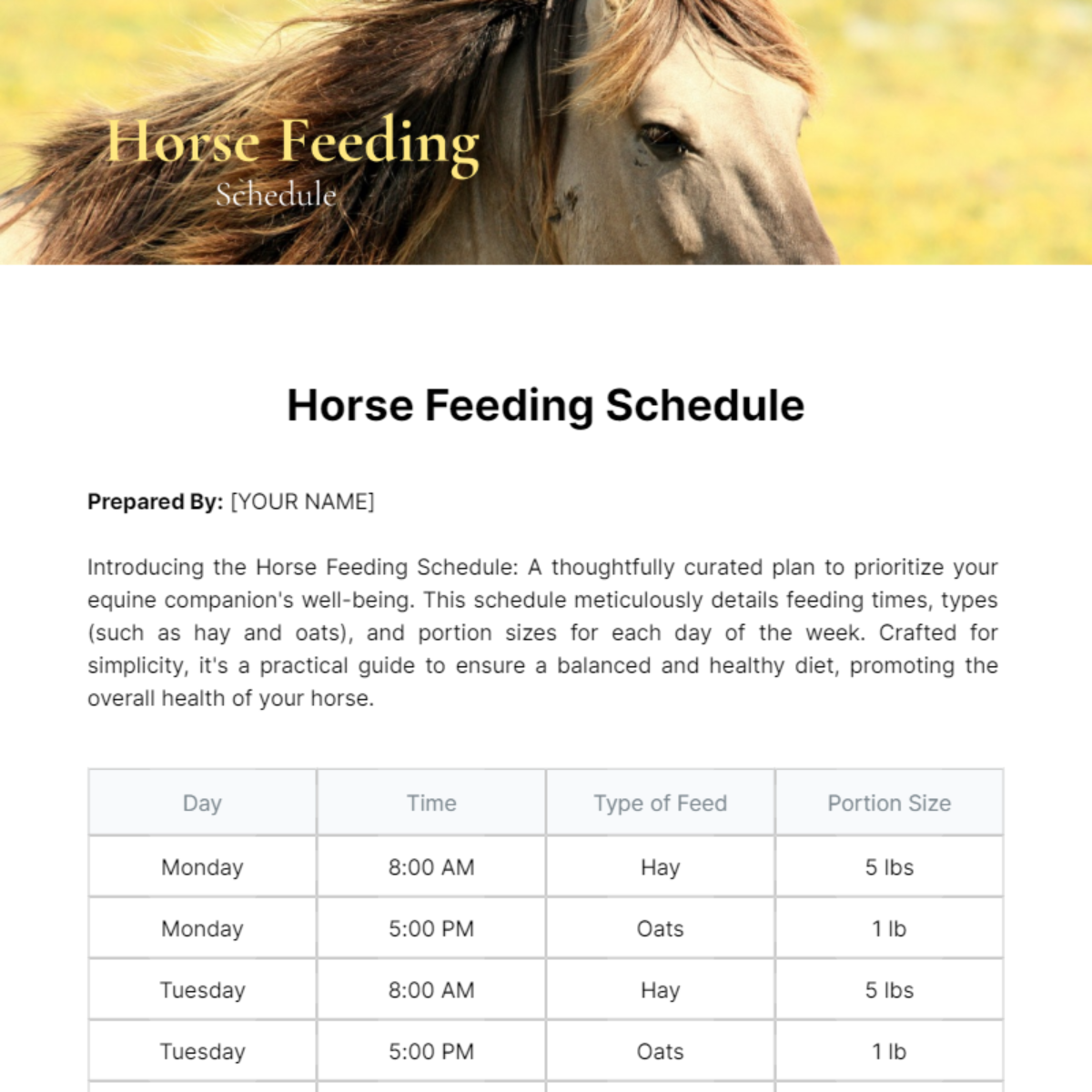
“Horse Feeding Schedule Template – Edit …” from www.template.net
Every horse is unique, and their feeding plan should reflect that. A one-size-fits-all approach can lead to nutritional imbalances and health issues. By creating a personalized feeding plan, you can ensure that your horse receives the right nutrients based on its specific needs.
Most importantly, a personalized plan takes into account your horse’s age, weight, activity level, and any dietary restrictions. This helps in maintaining optimal health and performance.
Creating a Personalized Horse Feeding Plan
Assess Your Horse’s Age and Weight
The first step in creating a personalized feeding plan is to assess your horse’s age and weight. Younger horses require different nutrients compared to older horses. Similarly, an overweight horse will have different dietary needs than an underweight one.
Regularly weigh your horse and consult with your vet to determine the ideal weight range. This will help you adjust the feeding plan as needed.
Evaluate Activity Level and Workload
Next, consider your horse’s activity level and workload. A horse that is in heavy training or competition will need more energy and nutrients compared to a horse that is mostly at rest. For more detailed guidance, you can refer to this horse diet plan.
Based on the workload, you can adjust the amount and type of feed to ensure your horse has enough energy without gaining excess weight.
Identify Specific Dietary Restrictions
Some horses have specific dietary restrictions due to health conditions like equine metabolic syndrome (EMS) or laminitis. These conditions often require a low-starch, low-sugar diet to manage symptoms and prevent flare-ups.
Consult with your vet to identify any dietary restrictions and incorporate them into your feeding plan. This will help in maintaining your horse’s health and well-being.
Planning the Daily Diet
Once you have assessed your horse’s age, weight, activity level, and dietary restrictions, you can start planning their daily diet. The diet should include a balance of forage, grains, and supplements to meet all nutritional needs.
Forage: This should make up the majority of your horse’s diet. Options include hay, haylage, and grass.
Grains: Choose low-starch grains if your horse has dietary restrictions.
Supplements: Add vitamins, minerals, and other supplements as needed to fill any nutritional gaps.
Besides that, always provide fresh water and monitor your horse’s intake to ensure they are eating the right amounts.
Adjusting Feed Based on Seasonal Changes

Seasons can affect your horse’s dietary needs. For example, horses often need more energy in the winter to stay warm, while they may need less in the summer when they are less active. For more information, check out this guide on feeding horses.
“Adjust your horse’s feed based on seasonal changes to ensure they get the right nutrients year-round.”
Monitor your horse’s condition and adjust the feeding plan as needed to accommodate these changes.
Understanding Starch and Its Impact on Horse Health
Starch is a type of carbohydrate found in grains and some forages. While it can be a good energy source, too much starch can cause health problems. High-starch diets can lead to issues like colic, laminitis, and insulin resistance.
Therefore, it’s essential to understand how much starch your horse is consuming and to adjust their diet accordingly. Low-starch feeds are often recommended for horses with specific dietary needs or health conditions.
Risks of High-Starch Diets
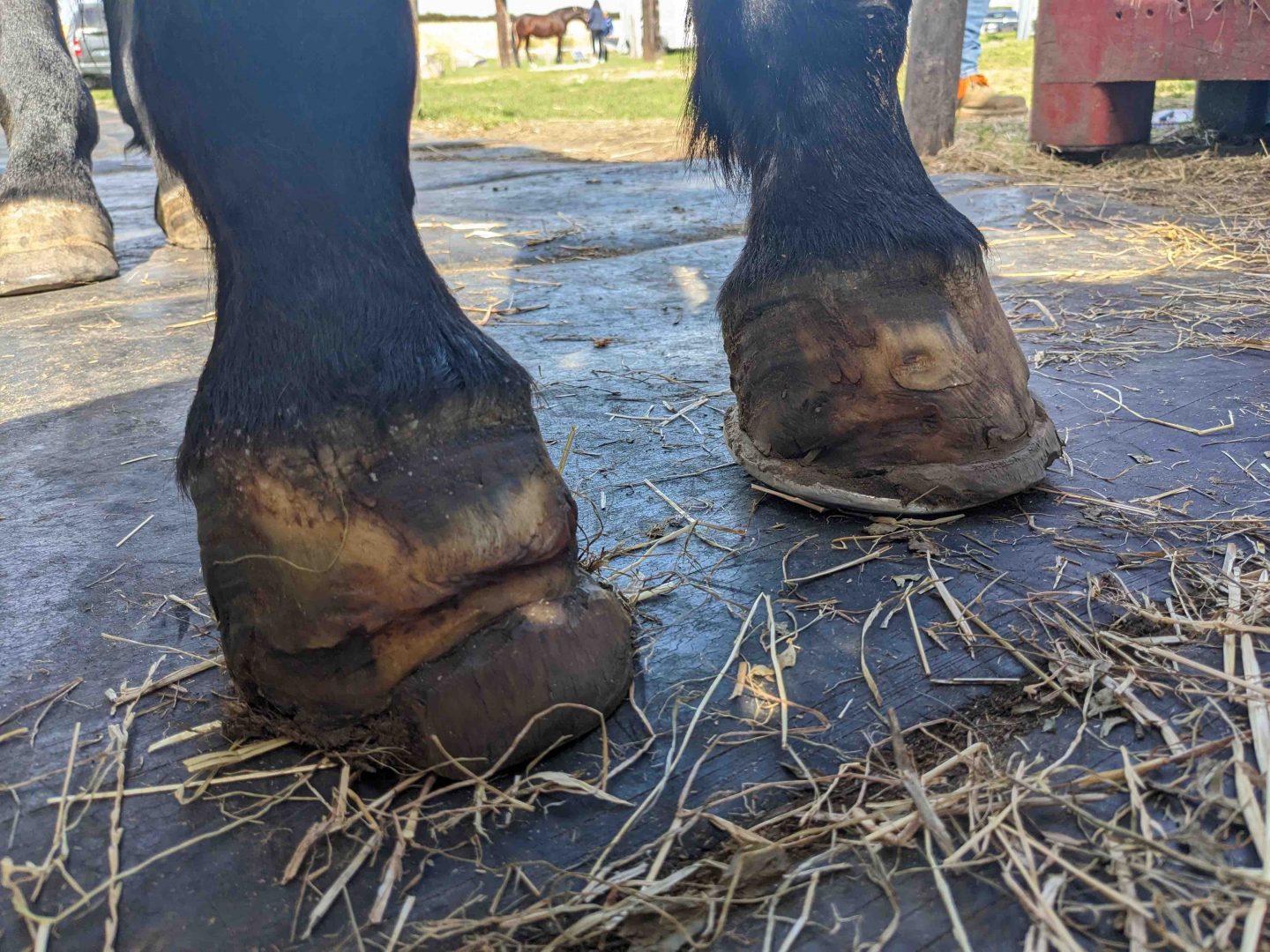
“Case of severe laminitis • Ekico” from ekico.fr
High-starch diets can pose several risks to your horse’s health. When a horse consumes too much starch, it can overwhelm the digestive system, leading to issues like colic and laminitis. Colic is a severe gastrointestinal condition that can be life-threatening if not treated promptly.
Besides colic, high-starch diets can also lead to insulin resistance, where the horse’s body becomes less effective at managing blood sugar levels. This can further escalate into equine metabolic syndrome (EMS), a condition that increases the risk of laminitis, a painful inflammation of the hoof.
Recommended Starch Intake Levels
To mitigate these risks, it’s crucial to monitor and control your horse’s starch intake. Experts recommend that the non-structural carbohydrate (NSC) content of a horse’s diet should not exceed 12%. This includes both simple sugars and starches.
For horses with specific conditions like EMS or laminitis, it’s advisable to keep the NSC content even lower, ideally below 10%. This can help manage symptoms and prevent further complications.
Starch Control Strategies
Controlling starch intake involves a combination of dietary choices and feeding practices. First, opt for low-starch feeds. These are specially formulated to provide essential nutrients without high levels of starch. Second, avoid feeding large amounts of grain-based feeds, as these are typically high in starch.
Another effective strategy is to spread out meals throughout the day. Instead of giving one or two large meals, provide smaller, more frequent feedings. This helps in better digestion and reduces the risk of starch overload.

“your horse feed is low starch …” from kppusa.com
Low-Starch Feed Options
There are several low-starch feed options available that can meet your horse’s nutritional needs without the risks associated with high-starch diets. These feeds are often rich in fiber and essential nutrients, making them a safer choice for horses with dietary restrictions.
For example, beet pulp is a popular low-starch feed that is high in fiber and easy to digest. Another option is soy hulls, which are also low in starch and provide a good source of fiber.
Besides these, many commercial low-starch feeds are available. These are specifically formulated to provide balanced nutrition while keeping starch levels low, such as Meta Safe.
Beet Pulp: High in fiber and easy to digest.
Soy Hulls: Low in starch and rich in fiber.
Commercial Low-Starch Feeds: Formulated to provide balanced nutrition with minimal starch.
Monitoring Your Horse’s Starch Intake
Regular monitoring is essential to ensure your horse’s starch intake remains within safe limits. Start by reading feed labels carefully to understand the starch content of each feed. Keep a feeding diary to track what and how much your horse eats each day.
Additionally, consider getting your forage tested for its nutritional content. This will give you a clear picture of the starch levels in your horse’s primary feed source. Regular veterinary check-ups can also help monitor your horse’s health and make necessary adjustments to the feeding plan.
Supplements and Additives
In addition to a balanced diet, supplements and additives can play a crucial role in maintaining your horse’s health. These can help fill any nutritional gaps and support overall well-being.
Prebiotics and probiotics, for example, are beneficial for healthy digestion. They help maintain a balanced gut flora, which is essential for nutrient absorption and overall health.
Prebiotics and Probiotics for Healthy Digestion
Prebiotics are non-digestible fibers that serve as food for beneficial gut bacteria. They help in promoting a healthy gut environment. Probiotics, on the other hand, are live beneficial bacteria that can help in maintaining gut health.
Including prebiotics and probiotics in your horse’s diet can aid in better digestion and nutrient absorption. They can be particularly beneficial for horses with digestive issues or those on a low-starch diet.
Vitamins and Minerals for Optimal Health
Vitamins and minerals are essential for various bodily functions, including bone health, immune function, and energy metabolism. Ensuring your horse gets the right amount of these nutrients is crucial for their overall well-being.
Calcium and Phosphorus: Important for bone health.
Vitamin E and Selenium: Essential for muscle function and immune health.
Iron and Copper: Necessary for blood health and oxygen transport.
Consult with your vet to determine the right supplements for your horse based on their specific needs.
Energy Management: Rice Bran Oil and Other Additives
Energy management is another crucial aspect of a balanced diet. Rice bran oil is a popular additive that provides a concentrated source of energy without adding starch. It’s rich in essential fatty acids and antioxidants, making it a healthy choice for boosting energy levels.
Other additives like flaxseed oil and coconut oil can also provide healthy fats and additional energy. These can be particularly beneficial for horses in heavy training or those needing extra calories without the risks associated with high-starch feeds.
Regular Monitoring and Adjustments
Creating a personalized feeding plan is not a one-time task. It requires regular monitoring and adjustments to ensure it continues to meet your horse’s needs. Regularly assess your horse’s body condition and make necessary changes to the feeding plan.
Body condition scoring (BCS) is a useful tool for this purpose. It involves evaluating your horse’s fat cover and overall condition to determine if they are underweight, overweight, or at an ideal weight.
Body Condition Scoring (BCS)
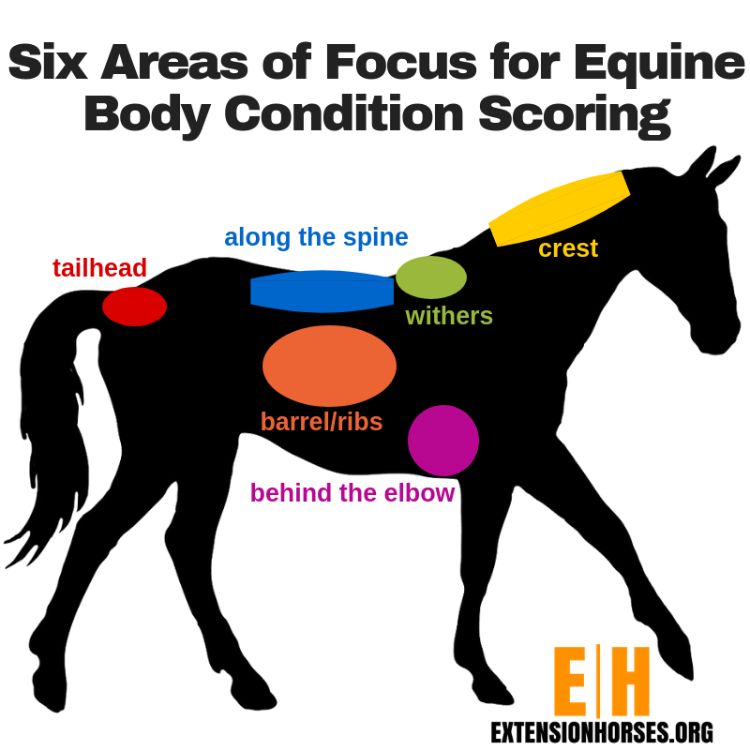
“Body Condition Scoring in horses – Horses” from www.canr.msu.edu
BCS is a hands-on method that involves feeling and observing different parts of your horse’s body, such as the ribs, neck, and hindquarters. A score is then assigned based on the amount of fat cover. Regular BCS assessments can help you make informed decisions about your horse’s diet and feeding plan.
“Regular BCS assessments can help you make informed decisions about your horse’s diet and feeding plan.”
Typically, the BCS scale ranges from 1 to 9, with 1 being extremely underweight and 9 being obese. An ideal score usually falls between 4 and 6. By regularly scoring your horse, you can adjust their diet to ensure they maintain a healthy weight. For more information on feeding your horse, check out this guide.
For example, if your horse scores a 7, it may be time to reduce their caloric intake or increase their exercise. Conversely, a score of 3 might indicate the need for more calories or nutrient-rich feed.
Updating the Feeding Plan as Needed
Feeding plans are not static; they need to be updated regularly based on your horse’s changing needs. Factors such as age, activity level, health conditions, and even the seasons can influence dietary requirements.
For instance, an older horse may require more easily digestible feed and additional supplements to support joint health. A horse that has recently recovered from an illness may need a diet rich in nutrients to regain strength.
Regularly consult with your vet and monitor your horse’s condition to make timely adjustments to their feeding plan. This proactive approach ensures that your horse continues to receive the optimal nutrition needed for their well-being.
Consulting with a Nutritional Expert
While you can manage many aspects of your horse’s diet on your own, consulting with a nutritional expert can provide valuable insights. These professionals can help tailor a feeding plan that meets all of your horse’s specific dietary needs.
A nutritional expert can also assist in interpreting forage analysis results, recommending appropriate supplements, and adjusting the diet based on health conditions. Their expertise can be particularly beneficial for managing complex dietary restrictions or health issues.
Most importantly, a nutritional expert can provide ongoing support and adjustments to the feeding plan, ensuring that your horse remains healthy and well-nourished throughout their life.
Conclusion: Safe Feeding and Starch Management for Healthy Horses
Creating a safe and personalized feeding plan for your horse is essential for their overall health and well-being. By understanding the importance of balanced nutrition, controlling starch intake, and regularly monitoring your horse’s condition, you can ensure they receive the optimal diet tailored to their needs.
Remember, a well-thought-out feeding plan not only supports your horse’s physical health but also enhances their performance and quality of life. Regular consultations with a vet or nutritional expert can provide additional guidance and adjustments, making sure your horse stays healthy and happy.
Frequently Asked Questions (FAQ)

What signs indicate my horse needs a dietary change?
Several signs can indicate that your horse needs a dietary change. These include sudden weight loss or gain, changes in coat condition, decreased energy levels, and digestive issues like colic or diarrhea. Behavioral changes, such as increased irritability or lethargy, can also be indicators. For more information, check out this guide on feeding your easy keeper horse.
It’s essential to regularly monitor your horse’s condition and consult with a vet if you notice any of these signs. Early intervention can prevent more severe health issues and ensure your horse remains in optimal condition.
How can I safely transition my horse to a new feeding plan?
Transitioning your horse to a new feeding plan should be done gradually to avoid digestive upset. Start by mixing a small amount of the new feed with the current feed, gradually increasing the proportion of the new feed over 7-10 days.
Monitor your horse closely during this transition period for any signs of digestive distress or changes in behavior. If any issues arise, slow down the transition process and consult with your vet for guidance.
What are the benefits of using low-starch feeds?
Low-starch feeds offer several benefits, especially for horses with specific dietary needs or health conditions. These feeds help in managing conditions like equine metabolic syndrome (EMS) and laminitis by reducing the risk of insulin resistance and digestive issues.
Additionally, low-starch feeds are easier to digest and can help in maintaining a healthy weight, reducing the risk of colic, and promoting overall gut health.
How often should I monitor my horse’s weight and condition?
Regular monitoring is crucial for maintaining your horse’s health. Ideally, you should assess your horse’s weight and condition at least once a month. This includes body condition scoring (BCS) and weighing if possible.
Frequent monitoring allows you to make timely adjustments to the feeding plan, ensuring your horse remains in optimal condition. Regular vet check-ups can also provide additional insights and guidance.
Can I manage my horse’s diet without professional help?
While it’s possible to manage your horse’s diet on your own, consulting with a vet or nutritional expert can provide valuable insights and ensure your horse receives balanced nutrition. These professionals can help tailor a feeding plan to meet your horse’s specific needs and make necessary adjustments based on health conditions.




Leave a Reply