
equine
Chris Andrews
-

Pelleted Feed vs Textured Feed for Horses with Metabolic Issues: Making the Right Choice
Key Takeaways Article Summary For horses with metabolic conditions like EMS, insulin resistance, and Cushing’s disease, pelleted feeds are generally preferred over textured feeds due to lower sugar and starch content, greater nutritional consistency, and more precise nutrient formulation that helps maintain controlled blood glucose and insulin levels [1][2][3]. Feed Type Best For NSC Range…
-

Timothy Hay vs Orchard Grass: Best Low Sugar Forage Options for Metabolic Horses
Key Takeaways For horses requiring low sugar forage, timothy hay cut at maturity is the preferred choice over orchard grass, though individual testing remains essential for confirming safe NSC levels. Understanding Low Sugar Forage Requirements Horses with metabolic conditions including insulin resistance, equine metabolic syndrome (EMS), and laminitis history require careful forage selection to prevent…
-
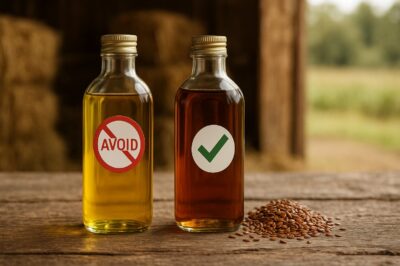
Rice Bran Oil vs Flax Seed Oil: Best Fat Sources for EMS Horses
Key Takeaways For EMS horses requiring fat supplementation, flax seed oil is the clear winner due to its ability to stabilize blood sugar and reduce inflammation, while rice bran oil should be avoided as it may worsen insulin resistance. Understanding Fat Requirements for EMS Horses Horses with Equine Metabolic Syndrome face unique dietary challenges that…
-
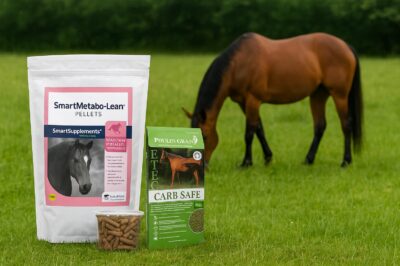
SmartPak SmartMetabo-Lean vs Poulin Grain E-TEC Carb Safe for Insulin Resistance
Key Takeaways • SmartMetabo-Lean is a targeted supplement with 5mg chromium and 5,000mg magnesium for horses on hay-only diets, while E-TEC Carb Safe is a complete low-glycemic feed with only 5.4% NSC for horses needing grain-based nutrition • Different feeding approaches serve different needs – SmartMetabo-Lean supplements existing diets, while E-TEC Carb Safe replaces conventional…
-
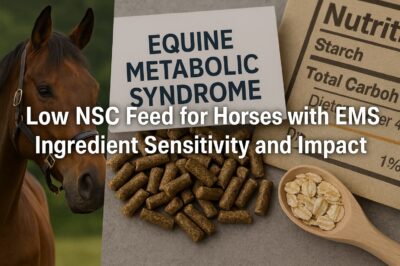
Low NSC Feed for Horses with EMS – Ingredient Sensitivity and Impact
Key Takeaways Article Summary Low NSC feed for EMS horses must contain less than 10% non-structural carbohydrates while providing essential nutrients through safe fiber sources, quality fats, and targeted micronutrients to prevent laminitis and support metabolic recovery. Understanding NSC Requirements for EMS Horses Horses diagnosed with Equine Metabolic Syndrome face a critical nutritional challenge that…
-

Harmful Herbs for EMS Horses: Guide & List
Managing an EMS horse’s diet requires avoiding herbs that worsen insulin resistance or trigger laminitis. High-sugar herbs, toxic plants like tansy ragwort, and even nutritious alfalfa can be problematic. Consulting an equine nutritionist is essential for creating a diet tailored to your horse’s needs…
-

Chinese Herbal Formulas vs Western Herbs: Effective EMS Treatment?
Wu Mei Wan, a traditional Chinese herbal formula, shows promise in treating Equine Metabolic Syndrome holistically. Addressing the condition’s roots, it may reduce laminitis and uveitis in horses. When integrated with Western methods, it offers a comprehensive approach to managing EMS beyond symptom control…
-

How Does Chromium Improve Insulin Sensitivity In Horses?
Chromium is a key player in enhancing insulin sensitivity in horses, offering a natural solution for metabolic health issues. By improving insulin receptor function, this trace mineral helps stabilize blood glucose levels, making it essential for comprehensive equine management strategies focused on optimal health…
-

EMS Horses Natural Herbal Blends Efficacy, Skepticism & Reality
Chinese herbal blends for EMS horses show promise in managing insulin resistance. Combining herbs like jiaogulan and cinnamon bark, these formulations help regulate insulin and reduce inflammation, complementing diet and exercise. Horse owners report significant improvements, emphasizing a comprehensive approach to Equine Metabolic Syndrome management…
-

Insulin Regulation Supplements vs Traditional EMS Treatments: In-Depth Comparison
Explore how insulin regulation supplements like chromium and cinnamon compare to traditional EMS treatments. Understand the efficacy, scientific backing, and evolving pharmaceutical options to find the best metabolic management strategy for either equines or humans facing insulin challenges…
Follow Us
Recent Posts
- SmartPak SmartCombo Pellets Review: Are They Worth It for Your Horse? Jan 26 Update
- Formula 707 Storage & Handling: Why These Pellets Stay Stable Even in Sub-Optimal Conditions
- Horse Supplement Shelf Life: Why Pellets Lose 40% Potency in 90 Days – What Does Formula 707 Do Differently?

- Formula 707 NASC Certification: Independent Testing Behind MetaStable Pellets

- EMS Horse Supplements: Budget vs Premium Options Compared

Categories
- feed info 15
- general 54
- metabolic supplements 107