
equine
Andrew M
-
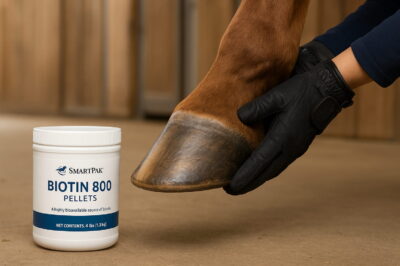
Real User Reviews of SmartPak Biotin Pellets: Effective for Laminitis Care?
Key Takeaways SmartPak Biotin 800 Pellets provide high-strength biotin supplementation specifically formulated for horses recovering from laminitis and those with chronic hoof problems. With 50 mg of biotin per one-ounce serving plus supportive nutrients, this supplement addresses the nutritional needs of metabolic horses while offering flexible dosing options. Real-world reviews from horse owners managing laminitis show…
-

Bioavailability Boost: How Liquid Zinc Supplements Enhance Absorption
Key Takeaways Liquid zinc supplements offer faster absorption and higher bioavailability than powder or pelleted forms, making them ideal for horses with metabolic conditions, poor hoof quality, or high dietary iron that blocks traditional zinc uptake. Understanding how supplement form affects mineral absorption helps you choose the most effective zinc source for your horse’s specific needs.…
-

EMS Horse Supplement Results Timeline: When to Expect Improvements
Key Takeaways Article Summary EMS supplements generally show initial effects within 2-4 weeks, with the most significant metabolic improvements—including better glucose handling, reduced insulin levels, and visible body changes—emerging at the 4-6 week mark and continuing to develop over 8-12 weeks with consistent use. Understanding the EMS Supplement Timeline When you start your horse on…
-

Natural vs Synthetic Horse Supplements: Which Form Works Best for EMS Horses?
Key Takeaways Natural nutrient forms generally offer superior bioavailability compared to synthetic forms in horse supplements, particularly for vitamin E, chromium, and omega-3 fatty acids. Natural d-alpha-tocopherol (vitamin E) absorbs 2-6 times better than synthetic dl-alpha-tocopherol, chromium yeast shows up to 10-fold greater absorption than chromium picolinate, and organic chelated minerals resist digestive interference better than…
-

Zinc Methionine Supplements: Unlocking Better Coat and Hoof Health
Key Takeaways Zinc methionine is an organic, chelated form of zinc that provides superior bioavailability for horses, making it particularly effective for improving hoof quality, coat health, and immune function when compared to inorganic zinc sources. When choosing a zinc supplement for your horse, understanding the difference between organic and inorganic forms can mean the difference…
-

Emergency EMS Episode Horse Supplement First Aid Kit Essentials for Laminitis
Key Takeaways: When your EMS horse shows the first signs of an acute laminitis episode, every minute counts. Having the right supplies ready to grab means you can start protective measures immediately while waiting for your vet, potentially preventing permanent laminar damage that changes your horse’s life forever. Why Every EMS Horse Owner Needs a…
-
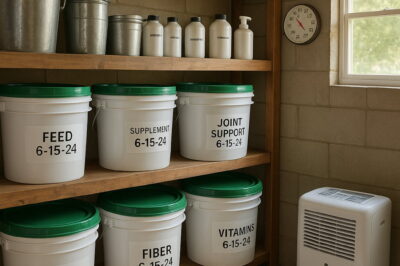
Horse Supplement Storage Tips: Essential Shelf Life Guide for EMS Horses
Key Takeaways Proper storage keeps horse supplements fresh for 6-12 months, while poor conditions can degrade them in weeks. For EMS horses relying on targeted supplements to manage insulin resistance and prevent laminitis, degraded nutrients mean wasted money and serious health risks. Why Proper Horse Supplement Storage Matters for Metabolic Horses Your EMS horse depends on…
-

Veterinary Decision Protocol for EMS Supplements: When & Why Vets Recommend Specific Support
Key Takeaways When your veterinarian recommends supplements for your EMS horse, they’re following clinical decision protocols based on evidence, bloodwork results, and your horse’s response to dietary management. Understanding how vets decide which supplements to recommend—and when—helps you make informed choices and set realistic expectations for your horse’s metabolic health journey. How Veterinarians Assess EMS…
-

EMS Horse Supplement Overdose Signs with Safety Guidelines
Key Takeaways Horse supplement overdose can range from mild digestive upset to sudden death, depending on the supplement type, amount ingested, and duration of exposure. Selenium, iron, and fat-soluble vitamins pose the greatest risks for EMS horses due to narrow safety margins. This guide covers emergency response protocols, toxic dose thresholds for common supplements, and proven…
-

Winter EMS Horse Feeding with Supplement Adjustments for Cold Weather
Key Takeaways: Winter weather creates unique feeding challenges for horses with Equine Metabolic Syndrome (EMS). Cold temperatures increase calorie requirements while simultaneously making safe feed management more complex. You need to provide enough energy for warmth without triggering dangerous insulin spikes or laminitis flares. Understanding Winter Calorie Needs for EMS Horses When temperatures drop below…
Follow Us
Recent Posts
- SmartPak SmartCombo Pellets Review: Are They Worth It for Your Horse? Jan 26 Update
- Formula 707 Storage & Handling: Why These Pellets Stay Stable Even in Sub-Optimal Conditions
- Horse Supplement Shelf Life: Why Pellets Lose 40% Potency in 90 Days – What Does Formula 707 Do Differently?

- Formula 707 NASC Certification: Independent Testing Behind MetaStable Pellets

- EMS Horse Supplements: Budget vs Premium Options Compared

Categories
- feed info 15
- general 54
- metabolic supplements 107