
equine
Andrew M
-

How to Choose the Right Hoof Supplement When Your Vet Recommendations Differ
Key Takeaways Article Summary When vets disagree on hoof supplement recommendations, evaluate each opinion by asking for research-backed reasoning, checking credentials, and comparing recommendations against your horse’s specific test results and hoof condition. Valid disagreements often stem from different specializations or regional experiences, while red flags include unrealistic timelines and undisclosed ingredient formulations. Why Veterinarians…
-
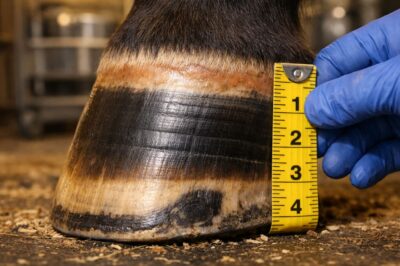
How Long Biotin Takes to Work: Timelines, Hoof Growth Rates, and Realistic Expectations
Key Takeaways Biotin typically takes 6 to 9 months to show meaningful improvements in horse hoof quality, because it only affects new growth from the coronary band downward. Complete hoof transformation requires 9 to 12 months for the entire hoof wall to grow out and replace pre-biotin horn. Horses receiving 15-20mg of biotin daily will see…
-

Winter Hoof Care for Laminitic Horses: Seasonal Supplement & Nutrition Guide
Winter laminitis occurs when cold temperatures trigger vasoconstriction in horses with insulin resistance or previous hoof damage, reducing blood flow to the hooves and causing severe pain without typical heat or bounding pulses. Managing this condition requires keeping horses warm above 45°F, protecting hooves with boots and leg wraps, maintaining strict low-NSC diets under 10%, and…
-
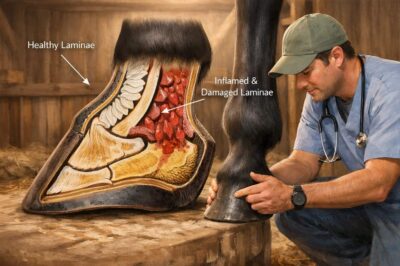
7 Dangerous Laminitis Myths That Could Harm Your Metabolic Horse
Key Takeaways: Laminitis is one of the most painful and life-threatening conditions your horse can face. As an inflammatory disease affecting the sensitive laminae between the hoof wall and coffin bone, it requires swift, informed action. Yet dangerous myths continue circulating in barns and online forums, potentially causing irreversible damage to metabolic horses already fighting…
-
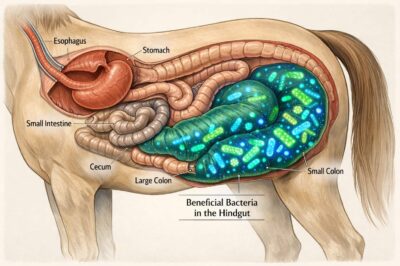
The Science Behind Omega Alpha Biotic 8 and Its Role in Managing Laminitis
Key Takeaways Omega Alpha Biotic 8 (now Biotic 8 Plus) is a multi-strain probiotic supplement providing 16.5 billion CFU per scoop to support gut microbiome balance in horses with Equine Metabolic Syndrome and laminitis risk. The formula combines nine probiotic species—including five Lactobacillus strains, three Bifidobacterium strains, and Saccharomyces boulardii—with prebiotic FOS, digestive enzymes, and herbal…
-
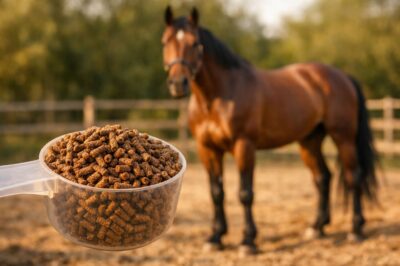
Purina SuperSport Safety for Laminitis-Prone Horses: Managing Muscle Health with Confidence
Key Takeaways: Purina SuperSport Amino Acid Supplement delivers impressive muscle recovery and performance benefits for athletic horses, but its 17% non-structural carbohydrate content places it above the safe threshold for horses with insulin resistance, EMS, or laminitis history. While this grain-free, high-protein supplement excels at supporting muscle development in healthy performance horses, metabolically compromised horses require…
-
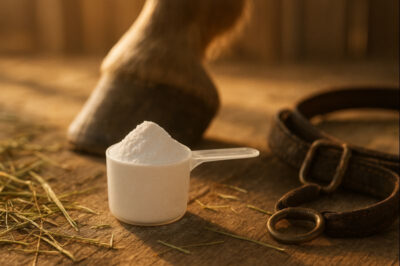
Comparing Richdel Pure MSM for Hoof Support
Key Takeaways: Richdel Pure MSM delivers bioavailable sulfur that forms the amino acids methionine and cysteine, essential building blocks for keratin production in horse hooves. Unlike biotin which directly supports keratin synthesis, MSM provides the foundational sulfur-containing nutrients that strengthen connective tissue, improve hoof flexibility, and reduce inflammation – making it particularly valuable for metabolic…
-
Zinc Methionine for Metabolic Horses: Bioavailability & Hoof Strength
Key Takeaways Zinc methionine provides metabolic horses with the most bioavailable form of this critical trace mineral, supporting insulin sensitivity, hoof integrity, and immune function while overcoming iron absorption barriers common in EMS horses. Understanding Zinc’s Critical Role in Metabolic Horses When your EMS or insulin-resistant horse struggles with weak hooves, a dull coat, or…
-
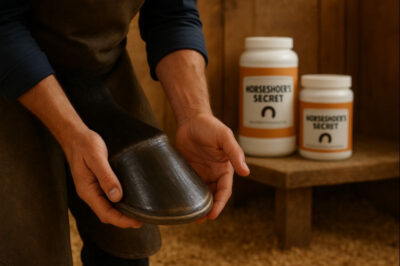
Behind the Brand: Farnam Horseshoer’s Secret Story in Hoof Supplementation
Key Takeaways: Horseshoer’s Secret is Farnam’s comprehensive hoof care line featuring pelleted supplements with biotin, amino acids, and minerals designed to strengthen weak hoof walls and reduce cracking from the inside out. The product family includes three internal supplement formulas plus two topical treatments for horses dealing with brittle hooves, slow growth, or difficulty holding shoes.…
-
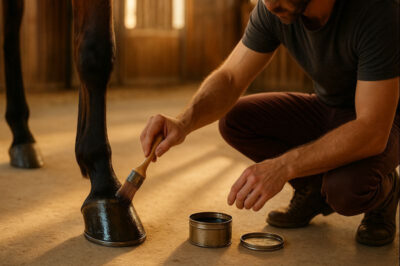
Overcoming Digestibility Issues: Effol Hoof Oil for Healthy Laminitic Hooves
Key Takeaways: Effol Hoof Oil provides external hoof conditioning using lanolin and laurel oil to restore elasticity and protect compromised hooves in laminitic horses, while thymol soothes damaged horn tissue. Why Laminitic Hooves Need External Conditioning When your horse battles laminitis, the internal damage to the laminae creates a cascade of hoof problems that show…
Follow Us
Recent Posts
- SmartPak SmartCombo Pellets Review: Are They Worth It for Your Horse? Jan 26 Update
- Formula 707 Storage & Handling: Why These Pellets Stay Stable Even in Sub-Optimal Conditions
- Horse Supplement Shelf Life: Why Pellets Lose 40% Potency in 90 Days – What Does Formula 707 Do Differently?

- Formula 707 NASC Certification: Independent Testing Behind MetaStable Pellets

- EMS Horse Supplements: Budget vs Premium Options Compared

Categories
- feed info 15
- general 54
- metabolic supplements 107