
Key Takeaways
- Laminitis is a painful condition in horses caused by factors like diet, stress, and health issues, requiring comprehensive care.
- Supplements for laminitis support hoof health, inflammation reduction, and pain management when included in a broader treatment plan.
- Ingredients like biotin, MSM, omega-3 fatty acids, and magnesium are beneficial for promoting hoof strength and reducing inflammation.
- Supplements enhance traditional treatments such as anti-inflammatory drugs, specialized shoes, and controlled diet and exercise.
- Consulting a vet is essential to ensure that any supplement complements a horse’s laminitis care and specific needs.
Laminitis is a painful hoof condition that affects many horses. It can be triggered by various factors, including diet, stress, and certain health issues.
Horses with laminitis often need special care and treatment to manage their discomfort and prevent further damage to their hooves.

Supplements may play a role in helping horses with laminitis. Some supplements can support hoof health, reduce inflammation, and help manage pain in horses with this condition.
While supplements are not a cure for laminitis, they can be part of a broader treatment plan that includes proper diet, exercise, and veterinary care. You should always talk to your vet before starting any new supplements for your horse.
Here are 10 widely available supplement products that aim to help manage laminitis:
- Farrier’s Formula – Life Data Labs, Inc.
- Biotin Plus – Horse Health Products
- Horseshoer’s Secret – Farnam
- Remission – AniMed Horse Care
- LaminAid (Cavalor) – Cavalor
- Farrier’s Magic Plus – Farrier’s Magic
- SmartHoof Pellets – SmartPak Equine
- BioFlax 20 – HorseTech
- Ker-A-Form – Kentucky Performance Products
- Formula 707 Hoof Health – Formula 707
As an Amazon Associate I earn from qualifying purchases. Please be assured this does not cost you any extra.
1) Farrier’s Formula
Farrier’s Formula is a popular hoof supplement for horses. It provides nutrients that support healthy hoof growth and structure.
This supplement contains a mix of vitamins, minerals, amino acids, and omega fatty acids. These ingredients work together to improve hoof quality.
You can use Farrier’s Formula to help horses with laminitis. It strengthens the connective tissue in hooves, which is crucial for recovery.
The formula comes in two versions: original strength and double strength. You can choose based on your horse’s needs.
For best results, feed Farrier’s Formula consistently. It may take several months to see significant improvements in hoof health.
You can combine Farrier’s Formula with other laminitis treatments for better outcomes. Some horse owners use it alongside Life Data Lamina Formula.
Remember to consult your veterinarian before starting any new supplement regimen. They can help you determine the right dosage for your horse.
2) Biotin Plus Supplement
Biotin Plus supplements can help your horse with laminitis relief. These supplements contain biotin, a B vitamin that supports hoof health.
Biotin helps strengthen the hoof wall and may provide some relief for horses with laminitis. It works by improving the quality of keratin, a protein that’s important for hoof structure.
Many Biotin Plus supplements also include other helpful ingredients. For example, they often contain MSM, which has anti-inflammatory benefits. This can help reduce pain and swelling in your horse’s hooves.
You might also find sulfur in these supplements. Sulfur helps build structural proteins in the hoof, making it stronger and more resistant to damage.
When choosing a Biotin Plus supplement, look for one that has a good mix of these ingredients. Make sure to follow the dosage instructions carefully.
While these supplements can help, they’re not a cure for laminitis. You should always work with your vet to create a complete treatment plan for your horse.
3) Horseshoer’s Secret
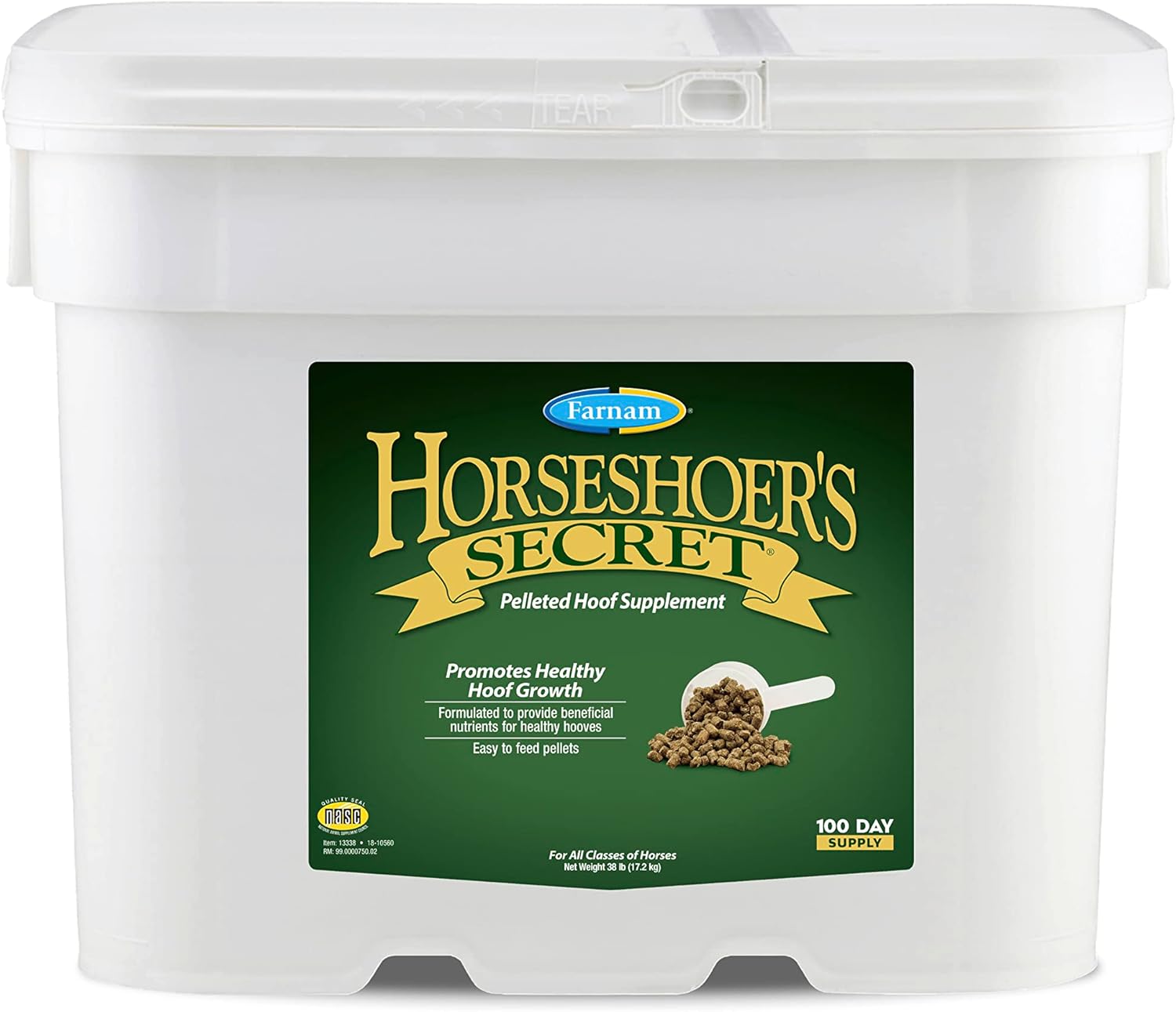
Horseshoer’s Secret is a popular hoof supplement for horses. It aims to support healthy hoof growth and strength.
The supplement contains key nutrients like biotin, amino acids, and omega fatty acids. These ingredients work together to promote strong hooves.
You can find Horseshoer’s Secret in pelleted form. This makes it easy to mix with your horse’s regular feed.
For best results, you’ll need to feed your horse the supplement consistently. The recommended dosage is 6 ounces per day for a 1,100-pound horse.
After 6 to 8 months, you can reduce the amount to 3 ounces daily for maintenance. Adjust the dose based on your horse’s size.
Keep in mind that Horseshoer’s Secret promotes new hoof growth. It won’t fix existing hoof problems right away. You’ll need to be patient to see results.
4) Remission Supplement

Remission is a specialized supplement for horses prone to laminitis. It contains a mix of ingredients aimed at supporting hoof health and managing laminitis risk.
The supplement includes magnesium oxide, DL-methionine, and flaxseed meal. These components work together to support your horse’s overall health and potentially reduce laminitis risk.
Remission comes in powder form that you can easily mix into your horse’s feed. This makes it simple to add to your horse’s daily routine.
The supplement also contains probiotics and prebiotics. These can help support your horse’s digestive health, which may play a role in laminitis prevention.
Many horse owners use Remission as part of a comprehensive approach to managing laminitis-prone horses. It’s designed to work alongside proper diet and exercise.
While supplements can be helpful, they’re not a substitute for veterinary care. Always consult with your vet before starting any new supplement regimen for your horse.
5) LaminAid by Cavalor
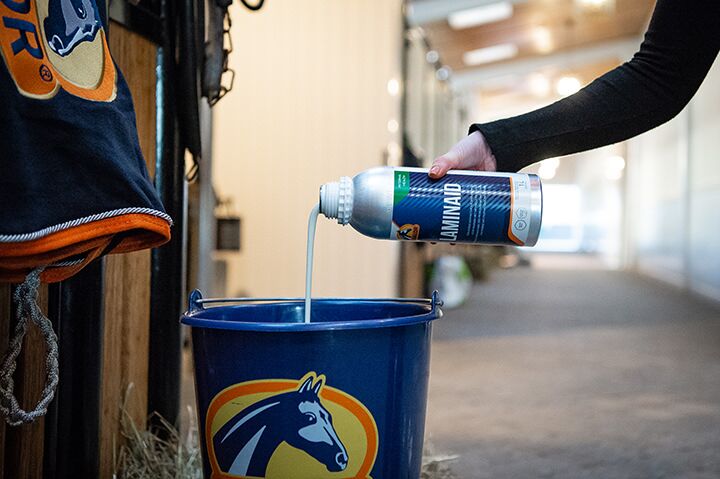
Cavalor offers a supplement called LaminAid to help horses with sensitive hooves due to metabolism problems. This product works on different levels in the body to address metabolic disorders that may lead to laminitis symptoms.
LaminAid supports a horse’s delicate intestinal flora and helps bring hormonal and metabolic processes back into balance. It contains a blend of essential oils designed to assist horses with laminitis.
You can use LaminAid as part of a holistic approach to managing laminitis in your horse. The supplement aims to improve hoof health and overall metabolic function.
When using LaminAid, you should follow the recommended dosage instructions provided by Cavalor. Consistency is key when using supplements for laminitis relief.
While supplements can be helpful, they should not replace proper veterinary care and management for horses with laminitis. Always consult your vet before starting any new supplement regimen for your horse.
6) Farrier’s Magic Plus
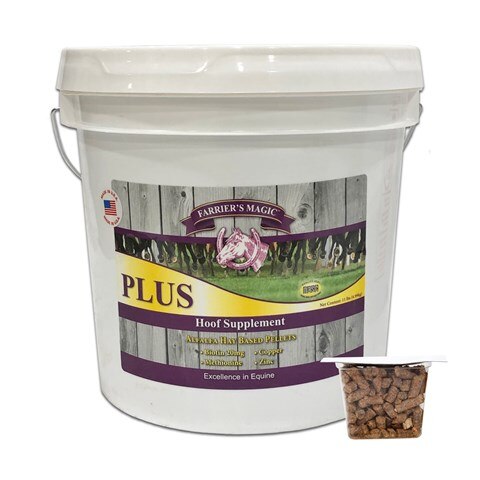
Farrier’s Magic Plus is a supplement that can help horses with laminitis. It provides key nutrients for healthy hooves. This supplement comes in a tasty alfalfa-based pellet form.
The main ingredient in Farrier’s Magic Plus is biotin. Each serving has 20 mg of this important vitamin. Biotin helps keep hooves strong and healthy.
Other helpful ingredients include methionine, iodine, and zinc. These work together to support hoof health. The supplement also aims to improve coat shine.
You can add Farrier’s Magic Plus to your horse’s daily feed. It’s easy to use and horses tend to like the taste. The pellets are highly palatable, which means most horses eat them without fuss.
This supplement may help horses recovering from laminitis. It provides nutrients that support hoof growth and strength. However, it’s not a cure for laminitis on its own.
Always talk to your vet before starting any new supplement. They can help you decide if Farrier’s Magic Plus is right for your horse’s needs.
7) SmartHoof Pellets
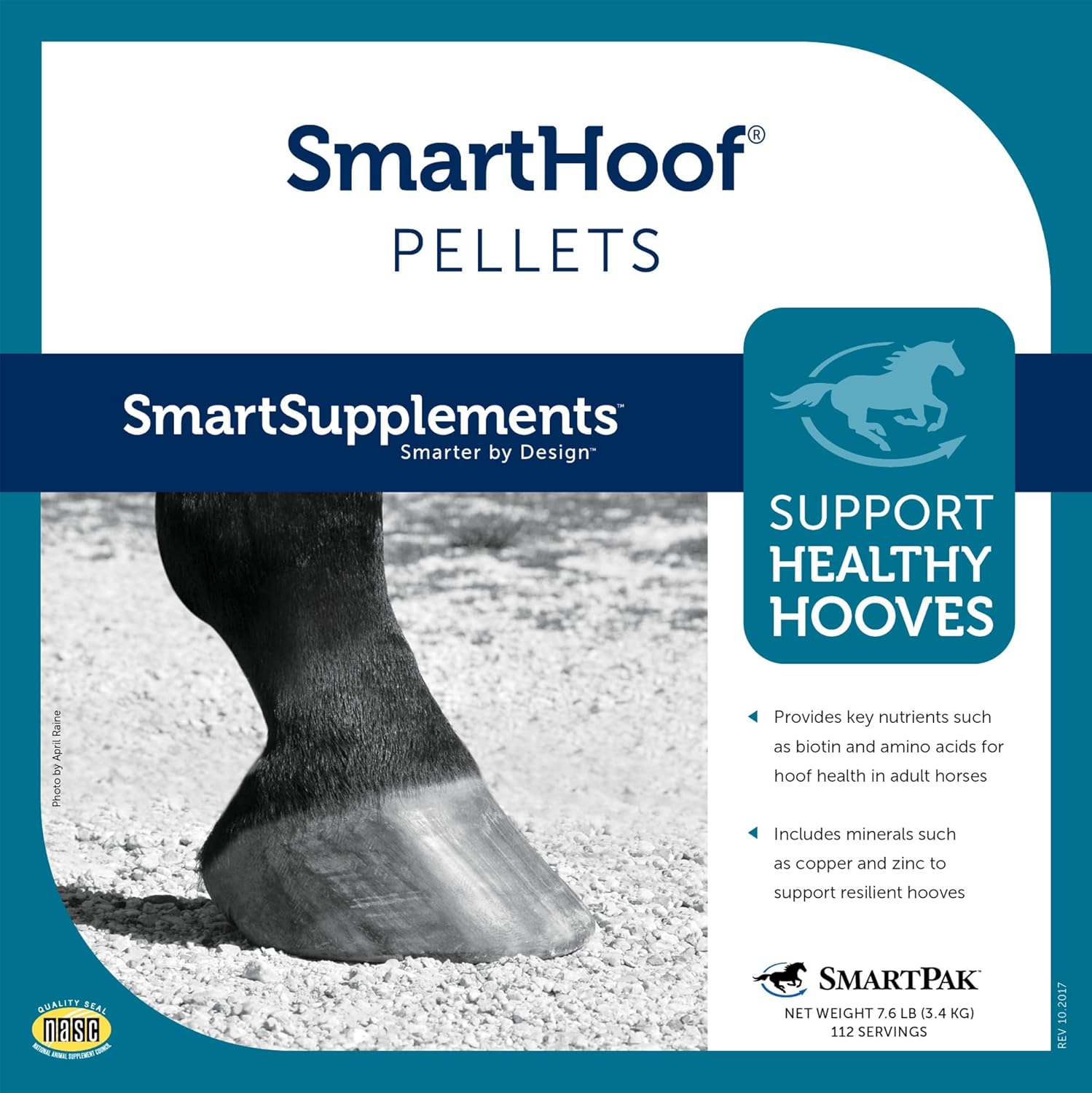
SmartHoof Pellets are designed to support healthy hoof growth in horses. These supplements contain key nutrients that can help horses with laminitis.
The pellets include biotin, a B vitamin that plays a crucial role in hoof health. Biotin helps strengthen the hoof wall and promote new growth.
Zinc and copper are also important ingredients in SmartHoof Pellets. These minerals aid in the formation of strong hoof tissue.
You can easily add SmartHoof Pellets to your horse’s daily feed. They come in a convenient pellet form that most horses find palatable.
SmartHoof Pellets are available in different package sizes. You can choose from SmartPaks, buckets, or bags depending on your needs.
Regular use of these supplements may help improve your horse’s hoof quality over time. However, results can vary depending on individual horses and their specific conditions.
Remember to consult with your veterinarian before starting any new supplement regimen for your horse. They can help you determine if SmartHoof Pellets are appropriate for your horse’s needs.
8) BioFlax 20
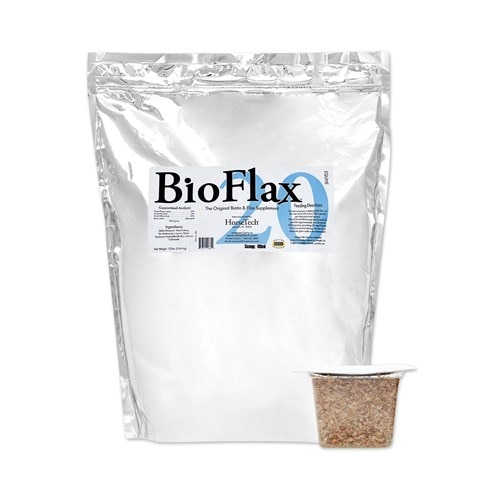
BioFlax 20 is a popular supplement that can help horses with laminitis. It provides important nutrients for hoof health and overall well-being.
This supplement contains 20 mg of biotin per daily serving. Biotin is crucial for strong, healthy hooves in horses.
BioFlax 20 also includes methionine and lysine. These amino acids support hoof growth and strength.
The flaxseed base in BioFlax 20 gives horses 3,000 mg of omega-3 fatty acids each day. Omega-3s can help reduce inflammation in the body.
You’ll find that BioFlax 20 is easy to feed. It has a small serving size of just one ounce per day for most horses.
Many horses like the taste of BioFlax 20. The food-grade flaxseed makes it palatable for most equines.
This supplement can benefit horses beyond just hoof health. It may also improve coat condition due to its nutrient profile.
BioFlax 20 has been around since 2000. It has a good track record of helping horses with hoof and coat issues.
9) Ker-A-Form

Ker-A-Form is a supplement designed to support healthy hooves in horses. It contains ingredients that may help with laminitis relief.
The main components of Ker-A-Form are biotin, methionine, and zinc. These nutrients are known to foster healthy hooves.
Biotin plays a crucial role in keratin production, which is essential for hoof strength. You might see improved hoof growth and quality when using this supplement.
Methionine is an amino acid that supports hoof structure. It can help make the hoof more resilient to stress and damage.
Zinc is important for overall hoof health. It aids in the production of proteins that make up the hoof wall.
By providing these key nutrients, Ker-A-Form may help your horse’s hooves recover from laminitis. It can also support ongoing hoof health to prevent future issues.
Remember to consult with your veterinarian before starting any new supplement regimen for your horse. They can help determine if Ker-A-Form is right for your horse’s specific needs.
10) Formula 707 Hoof Health
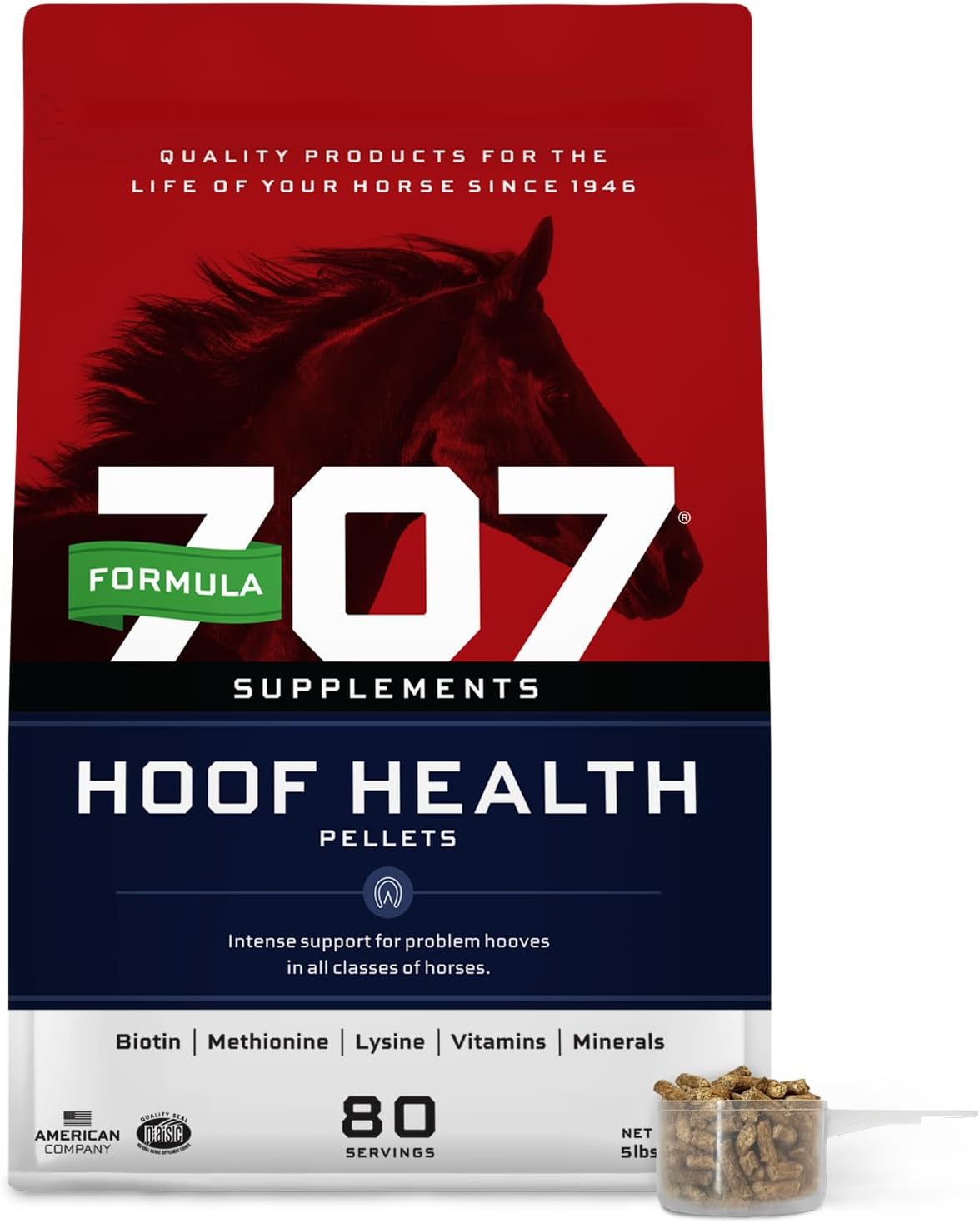
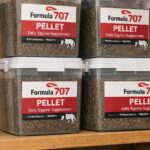
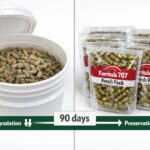
Formula 707 Hoof Health pellets can help horses with laminitis. These pellets deliver improvements in hoof condition. They may reduce the risk of cracks and splits in hooves.
You can use these pellets regularly to support your horse’s hoof health. Horses taking this supplement often show stronger, healthier hooves. This can lead to better overall performance.
The product is made in-house by Formula 707. It contains ingredients that aim to strengthen hooves. This can be helpful for horses prone to laminitis.
Some horse owners have reported positive results. One user said their horse with laminitis grew a stronger hoof. The horse also showed less tenderness in its soles.
When dealing with laminitis, it’s important to take a full approach. Along with supplements, you should consider your horse’s diet and exercise. Always talk to your vet before starting any new supplement.
Listed Supplements’ Features and Benefits Summary
| Supplement | Key Features | Benefits | Limitations |
|---|---|---|---|
| Farrier’s Formula | Rich in vitamins, minerals, amino acids, and omega fatty acids. Available in original and double strength. | Supports connective tissue, strengthens hooves, improves hoof quality over time. | Requires consistent, long-term use to see results. Not a standalone treatment for laminitis. |
| Biotin Plus | Contains biotin, MSM, and sulfur. | Strengthens hoof wall, reduces pain and inflammation, supports keratin quality. | Effectiveness may vary; needs to be part of a broader care plan. |
| Horseshoer’s Secret | Biotin, amino acids, and omega fatty acids; available in pelleted form. | Promotes strong hoof growth, easy to mix with feed, supports new hoof development. | Requires 6-8 months of consistent use; results may be gradual. |
| Remission | Magnesium oxide, DL-methionine, flaxseed meal, probiotics, and prebiotics. | Supports hoof health, digestive health, and laminitis risk management. | Not a substitute for veterinary care; best as part of a holistic approach. |
| LaminAid (Cavalor) | Essential oils and components for metabolic support and intestinal health. | Addresses metabolic imbalances linked to laminitis, supports hoof health. | May require precise dosage management; consult vet for specific metabolic cases. |
| Farrier’s Magic Plus | Alfalfa-based pellet form with biotin, methionine, iodine, and zinc. | Supports hoof and coat health, easy to feed, palatable. | Not a cure; effectiveness depends on consistent use with other treatments. |
| SmartHoof Pellets | Biotin, zinc, and copper in a palatable pellet form. | Strengthens hoof wall, promotes growth and structural integrity. | Results vary based on individual horse; not a rapid solution. |
| BioFlax 20 | Biotin, methionine, lysine, and flaxseed-based omega-3 fatty acids. | Improves hoof strength, supports coat health, reduces inflammation. | Requires consistent use; not a direct treatment for laminitis itself. |
| Ker-A-Form | Biotin, methionine, and zinc for hoof protein and structure. | Supports hoof strength and resilience, aids keratin production. | Does not resolve severe laminitis cases; consult vet for best dosage. |
| Formula 707 Hoof Health | Pellets formulated with ingredients to prevent hoof cracks and improve condition. | Strengthens hooves, may reduce cracks and splits, improves hoof performance. | Needs regular use; should be combined with diet and exercise management for optimal results. |
Understanding Laminitis In Horses
Laminitis is a painful condition that affects horses’ hooves. It can cause serious problems if not treated quickly. Learning about its causes and signs helps horse owners spot it early.
Causes And Risk Factors
Laminitis has several causes. Eating too many carbs from rich grass or grain is a common trigger. Stress, hard exercise, and certain medications can also lead to laminitis.
Some horses are more likely to get laminitis. Overweight horses and those with insulin problems face higher risks. Ponies and certain breeds like Morgans are also more prone to it.
Injuries or infections elsewhere in the body can sometimes cause laminitis too. This is called supporting limb laminitis. It happens when a horse puts too much weight on one leg because another is hurt.
Symptoms And Diagnosis
Spotting laminitis early is key. Watch for these signs:
- Reluctance to move or walk
- Shifting weight between feet
- A “sawhorse” stance with legs stretched out
- Warm hooves
- Strong pulse in the feet
If you see these signs, call your vet right away. They’ll check your horse’s stance, gait, and hoof temperature. X-rays might be needed to see if the coffin bone has moved.
Your vet may also test for underlying health issues. This can include blood tests for insulin problems or infections. Catching laminitis early gives your horse the best chance of recovery.

Role Of Supplements In Laminitis Relief
Supplements play a key role in helping horses recover from laminitis. They can support healing and provide relief when used alongside other treatments.
How Supplements Support Recovery
Certain supplements can aid laminitis recovery in horses. Biotin helps strengthen the hoof wall, which may provide some relief. MSM offers anti-inflammatory benefits.
Essential fatty acids may help prevent laminitis in at-risk horses. They can affect inflammation, blood flow, and clotting.
Vitamin C and minerals like magnesium are also beneficial. These support overall hoof health and function.
When choosing supplements, look for products with:
- Biotin
- MSM
- Omega-3 fatty acids
- Vitamin C
- Magnesium
Always consult your vet before starting any new supplement regimen.
Comparing Supplements With Other Treatments
Supplements work best as part of a complete treatment plan. They complement other approaches but shouldn’t replace them.
Traditional laminitis treatments focus on pain relief and supporting the hoof. These may include:
- Anti-inflammatory drugs
- Special shoes or pads
- Restricted diet and exercise
Supplements can enhance these treatments. For example, anti-inflammatory supplements may reduce the need for medication.
Hoof-supporting supplements promote long-term healing. This complements the immediate relief from shoes or pads.
Remember, every case is unique. Work with your vet to create the best treatment plan for your horse.
Frequently Asked Questions

Horse owners often have questions about supplements for laminitis relief. Proper nutrition and targeted supplementation can play a key role in managing this painful condition. Let’s address some common concerns.
What are the top recommended supplements for managing laminitis in horses?
Farrier’s Formula is a popular choice for hoof health. Biotin Plus Supplement provides essential nutrients for hoof growth. Horseshoer’s Secret offers a blend of vitamins and minerals to support hoof structure.
Remission Supplement is formulated specifically for laminitic horses. Laminaze by Cavalor targets inflammation and supports hoof recovery.
How effective are herbal remedies in providing relief for horses with laminitis?
Some herbal remedies show promise for laminitis relief. Devil’s claw and yucca may help reduce inflammation. Chamomile and valerian can aid in stress reduction, which is important for recovery.
Always consult your vet before using herbal treatments. Their effectiveness can vary, and some may interact with other medications.
What are the most trusted supplements for laminitis approved by equine health organizations?
Supplements rich in amino acids and probiotics are often recommended by equine health experts. Look for products that have been tested and approved by reputable organizations like the American Association of Equine Practitioners.
Which vitamins and minerals are crucial for a horse suffering from laminitis?
Biotin is essential for hoof health and growth. Zinc and copper support keratin production. Vitamin E acts as an antioxidant to reduce inflammation.
Magnesium can help regulate insulin levels, which is important in metabolic-related laminitis cases.
Are there any natural treatments that aid in the recovery of horses with laminitis?
Omega-3 fatty acids can help reduce inflammation.
Probiotics support gut health, which is crucial for overall well-being and recovery.
Feeding small, frequent meals using slow feeders can help manage sugar intake and support digestive health.
What is considered the best natural anti-inflammatory for horses affected by laminitis?
Omega-3 fatty acids are considered one of the best natural anti-inflammatories for laminitic horses. They can be found in flaxseed, chia seeds, and fish oil supplements.
Turmeric is another natural option with anti-inflammatory properties. It’s often combined with black pepper to increase absorption.




Leave a Reply