
equine
general
-

Emergency EMS Episode Horse Supplement First Aid Kit Essentials for Laminitis
Key Takeaways: When your EMS horse shows the first signs of an acute laminitis episode, every minute counts. Having the right supplies ready to grab means you can start protective measures immediately while waiting for your vet, potentially preventing permanent laminar damage that changes your horse’s life forever. Why Every EMS Horse Owner Needs a…
-
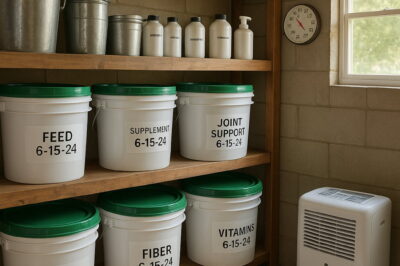
Horse Supplement Storage Tips: Essential Shelf Life Guide for EMS Horses
Key Takeaways Proper storage keeps horse supplements fresh for 6-12 months, while poor conditions can degrade them in weeks. For EMS horses relying on targeted supplements to manage insulin resistance and prevent laminitis, degraded nutrients mean wasted money and serious health risks. Why Proper Horse Supplement Storage Matters for Metabolic Horses Your EMS horse depends on…
-

Veterinary Decision Protocol for EMS Supplements: When & Why Vets Recommend Specific Support
Key Takeaways When your veterinarian recommends supplements for your EMS horse, they’re following clinical decision protocols based on evidence, bloodwork results, and your horse’s response to dietary management. Understanding how vets decide which supplements to recommend—and when—helps you make informed choices and set realistic expectations for your horse’s metabolic health journey. How Veterinarians Assess EMS…
-

EMS Horse Supplement Overdose Signs with Safety Guidelines
Key Takeaways Horse supplement overdose can range from mild digestive upset to sudden death, depending on the supplement type, amount ingested, and duration of exposure. Selenium, iron, and fat-soluble vitamins pose the greatest risks for EMS horses due to narrow safety margins. This guide covers emergency response protocols, toxic dose thresholds for common supplements, and proven…
-

Winter EMS Horse Feeding with Supplement Adjustments for Cold Weather
Key Takeaways: Winter weather creates unique feeding challenges for horses with Equine Metabolic Syndrome (EMS). Cold temperatures increase calorie requirements while simultaneously making safe feed management more complex. You need to provide enough energy for warmth without triggering dangerous insulin spikes or laminitis flares. Understanding Winter Calorie Needs for EMS Horses When temperatures drop below…
-

Emergency Laminitis Prevention Supplement Protocol for EMS Horses
Key Takeaways Spring grass season puts EMS horses at critical risk for laminitis, but a strategic supplement protocol started before danger peaks can prevent devastating hoof damage. This emergency protocol combines metabolic support, hoof strengthening, and anti-inflammatory supplements in a timed sequence that protects your horse during the highest-risk weeks of the year. Why Spring Grass…
-

DIY EMS Horse Supplement Recipes for Homemade Natural Solutions
Key Takeaways You can safely make simple, low-NSC treat carriers and supplement bases for EMS horses using ingredients like soaked beet pulp, ground flaxseed, and timothy hay pellets. However, complete vitamin/mineral balancers require professional formulation based on forage analysis – attempting DIY versions without proper testing can create dangerous nutrient imbalances that worsen metabolic conditions rather…
-

Cushing’s vs EMS Supplements: What Your Horse Really Needs
Key Takeaways: Quick Answer: While both Cushing’s (PPID) and EMS horses need metabolic support, PPID supplements prioritize pituitary function and muscle maintenance with chasteberry and amino acids, whereas EMS protocols focus on insulin sensitivity through magnesium and chromium supplementation. Understanding PPID (Cushing’s) vs EMS Supplement Needs When your horse is diagnosed with Pituitary Pars Intermedia Dysfunction…
-

Electrolyte Paste vs Daily Mineral Supplements for EMS Horses: Making the Right Choice
Key Takeaways For EMS horses, daily mineral supplements are needed for long-term metabolic health and preventing deficiencies, while electrolyte paste provides rapid replenishment after heavy sweating or stress. Mineral balancers with chromium and magnesium support insulin sensitivity daily, whereas electrolyte pastes (sugar-free only) restore sodium, potassium, and chloride lost through sweat during intense exercise or hot…
-

Liquid Fat vs Powdered Calories for Safe Weight Gain in EMS Horses
Key Takeaways: For horses with Equine Metabolic Syndrome that need to gain weight, choosing between liquid fats and powdered calorie sources isn’t straightforward. Both options provide safe calories without the sugar and starch that spike insulin, but each has distinct advantages depending on your horse’s specific needs. Understanding Fat as a Safe Energy Source for…
Follow Us
Recent Posts
- SmartPak SmartCombo Pellets Review: Are They Worth It for Your Horse? Jan 26 Update
- Formula 707 Storage & Handling: Why These Pellets Stay Stable Even in Sub-Optimal Conditions
- Horse Supplement Shelf Life: Why Pellets Lose 40% Potency in 90 Days – What Does Formula 707 Do Differently?

- Formula 707 NASC Certification: Independent Testing Behind MetaStable Pellets

- EMS Horse Supplements: Budget vs Premium Options Compared

Categories
- feed info 15
- general 54
- metabolic supplements 107