
equine
Chris Andrews
-
Acetyl-L-Carnitine Supplement Review: Key Benefits and Dosage Guide
Acetyl-L-Carnitine (ALCAR) is a powerful supplement that can boost your horse’s energy production and muscle function. If you’re looking to enhance your equine partner’s performance, especially during high-intensity activities, ALCAR might be just what you need. Key Takeaways Acetyl-L-Carnitine for Equine Performance ALCAR is a natural compound derived from the amino acid L-carnitine. It plays…
-
Top 10 Equine Metabolic Syndrome Supplements Questions & Answers
If your beloved horse is battling Equine Metabolic Syndrome (EMS), you’re not alone—and you’re not without options. Whether you’re grappling with stubborn weight issues, insulin resistance, or the looming risk of laminitis, the right supplements could hold the solution. But here’s the catch: not all supplements are created equal, and making the wrong choice could…
-

Top 5 Signs Your EMS Horse Might Need Low-NSC Feeds
Managing equine health requires attention to dietary needs. If your EMS horse is gaining weight, developing fat deposits, or showing signs of laminitis and insulin resistance, it might be time to consider low-NSC feeds. These dietary adjustments can lead to significant health improvements for your horse…
-
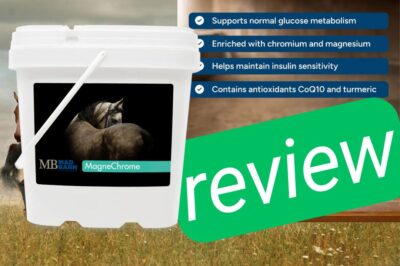
MagneChrome Review: Supplement for ECIR Horses and Metabolic Issues
Key Takeaways Horse owners often face challenges when it comes to managing their equine companions with metabolic issues. If you’re looking for a supplement to support your horse’s health, MagneChrome by Mad Barn might be worth considering. This pelleted formula is designed to help horses with conditions like insulin resistance, laminitis, and Cushing’s disease. Aspect…
-
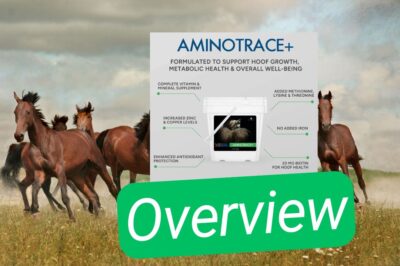
Mad Barn AminoTrace+ Vitamin and Mineral Metabolic Horse Supplement Review
Nutrient Breakdown for Horse Supplements Mad Barn’s AminoTrace + Vitamin and Mineral supplement for metabolic horses is aimed as a balanced blend of vitamins and minerals to support healthy metabolism and boost the immune function in your horse. In this review we look at the breakdown of the ingredients and how they combine to achieve…
-

How to Feed a Horse with PPID: Essential Nutrition Tips for Equine Cushing’s
Key Takeaways Caring for horses with Pituitary Pars Intermedia Dysfunction (PPID), also known as Cushing’s Disease, can be challenging. This condition affects older horses and requires special attention to their diet and overall health. As a horse owner, you need to understand the unique nutritional needs of horses with PPID to keep them healthy and…
-

Amino Acids Benefits for Horses: Muscle Development & Immune Function
Key Takeaways Amino acids play a crucial role in your horse’s health and performance. These building blocks of protein are essential for many bodily functions, from muscle development to immune system support. Amino acids make up about 15% of your horse’s total body mass, making them vital for overall well-being. Feeding your horse the right…
-

Low-Starch Diet for Hard Keepers: Antioxidants & Omega-3 Benefits
A low-starch diet is essential for “hard keeper” horses, reducing health risks like colic and laminitis. Antioxidants and omega-3s enhance benefits, fighting free radicals and reducing inflammation. These nutrients support overall equine health and improve coat condition, complementing a low-starch diet effectively…
-

Metabolic Supplements for Easy Keepers: Equine Weight Management Tips
Key Takeaways If you have an easy keeper you will be all too familiar with their eating habits. It may seem incredible but equine nutritionists have observed an unbelievably large proportion of horses that seem to defy the laws of physics when it comes to weight gain. These “easy keepers” can maintain their weight on…
-

Metabolic Supplements for Hard Keepers: Equine Weight Management Tips
Key Takeaways As anyone with hard keepers will know, they can often seem to defy the laws of physics, burning through calories faster than we can feed them. It’s a frustrating challenge for many horse owners, but there’s hope. With the right approach to metabolic supplements and weight management, even the most stubborn hard keeper…
Follow Us
Recent Posts
- SmartPak SmartCombo Pellets Review: Are They Worth It for Your Horse? Jan 26 Update
- Formula 707 Storage & Handling: Why These Pellets Stay Stable Even in Sub-Optimal Conditions
- Horse Supplement Shelf Life: Why Pellets Lose 40% Potency in 90 Days – What Does Formula 707 Do Differently?

- Formula 707 NASC Certification: Independent Testing Behind MetaStable Pellets

- EMS Horse Supplements: Budget vs Premium Options Compared

Categories
- feed info 15
- general 54
- metabolic supplements 107