
Key Takeaways
Chromium supplements can help improve insulin resistance in horses.
UltraCruz Chromium Supplement is a popular choice for metabolic horses.
Chromium Care by Platinum Performance offers comprehensive support.
Chromassist Insulin Resistance Support provides 5000 mcg of chromium daily.
Combining chromium supplements with proper diet and exercise enhances effectiveness.
Top 5 Chromium Supplements for Reducing Insulin Resistance: Metabolic Horses
1. UltraCruz Chromium Supplement

UltraCruz Chromium Yeast Supplement is a well-regarded product that provides 4 mg of trace mineral chromium per serving. It is available in both powdered and pelleted forms, making it easy to administer to your horse. This supplement supports normal blood sugar levels and healthy glucose tolerance, which is essential for horses with insulin resistance.
“UltraCruz® Equine Chromium Yeast Supplement for Horses is an equine supplement that has been shown to play an important role in helping maintain normal blood sugar and supporting healthy glucose tolerance levels in horses.”
2. Chromium Care by Platinum Performance

Chromium Care by Platinum Performance is another excellent option for horses with insulin resistance. This supplement combines chromium with other essential nutrients to provide comprehensive metabolic support. It is designed to help horses maintain normal blood sugar levels and improve insulin sensitivity.
3. Chromassist Insulin Resistance Support

Chromassist Insulin Resistance Support is a potent supplement that provides 5000 mcg of chromium daily. This high dosage is particularly effective for horses with severe insulin resistance. Chromassist helps stabilize blood sugar levels and supports healthy metabolic function.
4. HorseTech Chromium Yeast

HorseTech Chromium Yeast is a highly recommended supplement for equine health. For more information on the benefits and considerations, check out this article on Chromium Horse Supplements.
HorseTech Chromium Yeast is a popular choice among horse owners. This supplement is formulated to support normal blood sugar levels and improve glucose metabolism. It is available in a palatable powder form, making it easy to mix with your horse’s feed.
5. SmartPak GTF Chromium Yeast
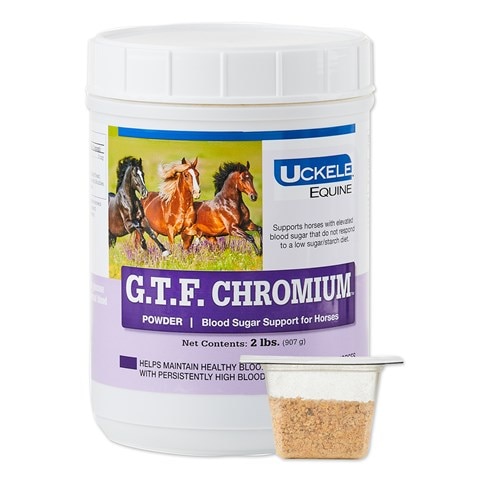
SmartPak GTF Chromium Yeast is a high-quality supplement that provides chromium in a bioavailable form. This product is designed to support healthy glucose tolerance and improve insulin sensitivity in horses. It is easy to administer and can be combined with other supplements for enhanced benefits.
Benefits and Use Cases
Each of these chromium supplements offers unique benefits and use cases. For example, UltraCruz Chromium Supplement is ideal for horses that need support maintaining normal blood sugar levels, while Chromassist Insulin Resistance Support is better suited for horses with severe insulin resistance due to its high dosage.
Chromium Care by Platinum Performance provides comprehensive metabolic support, making it a great option for horses with multiple metabolic issues. HorseTech Chromium Ultra and SmartPak GTF Chromium Yeast are both excellent choices for improving glucose metabolism and supporting healthy glucose tolerance.
Understanding Insulin Resistance in Horses

Insulin resistance occurs when a horse’s cells become less responsive to insulin, making it difficult for glucose to enter the cells and be used for energy. This can lead to elevated blood sugar levels and a range of health issues, including laminitis and obesity.
Causes and Effects of Insulin Resistance
Insulin resistance in horses can be caused by various factors, including genetics, diet, and lack of exercise. Horses that consume high-sugar and high-starch diets are more likely to develop insulin resistance. Additionally, certain breeds, such as ponies and draft horses, are genetically predisposed to this condition.
The effects of insulin resistance can be severe. Horses with this condition may experience elevated blood sugar levels, which can lead to obesity, laminitis, and other metabolic disorders. It is crucial to address insulin resistance early to prevent these complications and improve the horse’s overall health.
Signs Your Horse Might Be Insulin Resistant
Identifying insulin resistance in horses is essential for timely intervention. Here are some common signs that your horse might be insulin resistant:
Unexplained weight gain, especially in the neck and shoulders
Frequent episodes of laminitis
Difficulty losing weight despite a controlled diet
Excessive thirst and urination
Lethargy and reduced performance
If you notice any of these signs, consult your veterinarian for a thorough evaluation and appropriate testing.
Benefits of Chromium for Insulin Resistance
Insulin resistance is a common issue in horses, particularly those with metabolic disorders. Chromium plays a crucial role in improving insulin sensitivity, making it easier for glucose to enter cells and be used for energy. This helps stabilize blood sugar levels and supports overall metabolic health. This is particularly important for horses prone to metabolic disorders.
Most importantly, chromium helps horses maintain a healthier body composition by facilitating the uptake of glucose into muscle tissues and fat. This not only provides a reserve of energy for work but also helps prevent spikes in blood sugar levels.
Besides that, chromium supplements can support healthy glucose tolerance, which is beneficial for horses that require help maintaining normal metabolic function. Research has shown that chromium supplementation can improve the clearance of sugar from the blood after meals, enhancing the metabolism of glucose inside the cells.
“Chromium makes insulin more effective at moving glucose from the blood into tissues, like muscle or fat storage.”
How Chromium Works in the Body
Chromium plays a vital role in glucose metabolism by enhancing the action of insulin. Insulin is a hormone that facilitates the uptake of glucose from the bloodstream into cells, where it can be used for energy. When insulin is more effective, glucose levels in the blood remain stable, reducing the risk of spikes and crashes.
Besides that, chromium helps improve the sensitivity of insulin receptors on cells. This means that even with lower levels of insulin, the body can effectively manage glucose levels. This is particularly beneficial for horses with insulin resistance, as their bodies struggle to respond to insulin properly.
The Role of Chromium in Glucose Metabolism
Glucose metabolism is the process by which the body converts glucose into energy. Chromium enhances this process by making insulin more effective at transporting glucose into cells. This not only provides a steady supply of energy but also helps maintain stable blood sugar levels.
For horses with insulin resistance, improving glucose metabolism is crucial. When glucose is efficiently transported into cells, it reduces the burden on the pancreas to produce excessive insulin. This can help prevent the long-term complications associated with insulin resistance.
Collaboration Between Chromium and Insulin
The collaboration between chromium and insulin is essential for maintaining healthy blood sugar levels. Chromium acts as a cofactor for insulin, enhancing its ability to bind to receptors on cells. This improved binding increases the uptake of glucose into cells, providing a more stable energy supply.
Moreover, chromium helps regulate the action of other hormones involved in glucose metabolism. This comprehensive support ensures that the body can efficiently manage blood sugar levels, reducing the risk of metabolic disorders.
Choosing the Right Supplement for Your Horse
When selecting a chromium supplement for your horse, consider several factors to ensure you choose the best product for their needs. Look for supplements that provide a bioavailable form of chromium, as this ensures optimal absorption and effectiveness.
Additionally, consider the dosage and form of the supplement. Some horses may prefer powdered supplements mixed with their feed, while others might do better with pelleted forms. Always follow the manufacturer’s guidelines for dosing and administration to ensure your horse receives the appropriate amount of chromium.
Factors to Consider When Selecting a Supplement
When choosing a chromium supplement, keep the following factors in mind:
Bioavailability: Ensure the supplement contains a form of chromium that is easily absorbed by the body.
Dosage: Check the recommended dosage and ensure it meets your horse’s needs.
Form: Decide whether a powdered or pelleted supplement is more suitable for your horse.
Ingredients: Look for supplements that include other beneficial nutrients for comprehensive metabolic support.
Reputation: Choose products from reputable manufacturers with positive reviews and proven results.
Comparing Dosages and Forms (Powder, Pellet)
Chromium supplements come in various forms, including powders and pellets. Each form has its advantages, and the choice depends on your horse’s preferences and your convenience.
Powdered supplements can be easily mixed with your horse’s feed, ensuring they receive the full dosage. They are also typically more affordable and offer flexibility in adjusting the dosage. However, some horses may be picky eaters and might refuse to eat their feed if it contains powdered supplements.
Pelleted supplements are often more palatable and easier to administer. They can be given as treats or mixed with feed, making them a convenient option for horse owners. However, pelleted supplements may be more expensive and offer less flexibility in adjusting the dosage.
Understanding Potential Side Effects
While chromium supplements are generally safe for horses, it is essential to be aware of potential side effects. Over-supplementation can lead to toxicity, causing symptoms such as gastrointestinal upset, lethargy, and decreased appetite.
Always follow the recommended dosage guidelines and consult your veterinarian before starting any new supplement regimen. If you notice any adverse reactions, discontinue use immediately and seek veterinary advice.
Combining Supplements with Diet and Exercise
Combining chromium supplements with a balanced diet and regular exercise is crucial for managing insulin resistance in horses. A low-sugar and low-starch diet can help stabilize blood sugar levels, reducing the burden on the pancreas to produce insulin. This dietary approach complements the action of chromium supplements, enhancing their effectiveness.
Exercise plays a significant role in improving insulin sensitivity. Regular physical activity helps muscles use glucose more efficiently, reducing blood sugar levels and improving overall metabolic health. Incorporating a consistent exercise routine can amplify the benefits of chromium supplementation.
Here are some tips for combining supplements with diet and exercise:
Feed a low-sugar, low-starch diet to minimize blood sugar spikes.
Provide regular exercise, such as daily turnout or structured workouts.
Monitor your horse’s weight and body condition to ensure they are maintaining a healthy weight.
Adjust the dosage of chromium supplements based on your horse’s needs and activity level.
Monitoring Your Horse’s Health
Regular monitoring of your horse’s health is essential for managing insulin resistance effectively. Keep track of their weight, body condition, and any changes in behavior or performance. Regular veterinary check-ups can help identify any potential issues early and ensure your horse is on the right track.
Monitoring blood sugar levels and insulin sensitivity can provide valuable insights into how well your horse is responding to chromium supplements. Work with your veterinarian to conduct periodic blood tests and other diagnostic evaluations.
By staying vigilant and proactive, you can ensure your horse remains healthy and minimize the risk of complications associated with insulin resistance.
Consulting with a Veterinarian
Consulting with a veterinarian is crucial when managing insulin resistance in horses. Your veterinarian can provide personalized recommendations based on your horse’s specific needs and health status. They can also guide you on the appropriate dosage and administration of chromium supplements.
If you notice any signs of insulin resistance or adverse reactions to supplements, seek veterinary advice immediately. Early intervention can prevent complications and improve your horse’s overall health and well-being.
Frequently Asked Questions (FAQ)
Here are some common questions about chromium supplements for horses with insulin resistance:
Can all horses take chromium supplements?
While most horses can benefit from chromium supplements, it is essential to consult with a veterinarian before starting any new supplement regimen. Some horses may have specific health conditions or dietary needs that require special consideration. Some horse owners prefer giving chromium yeast. Still the needs of the individual horse must be taken into account.
How long does it take to see improvements?
The time it takes to see improvements can vary depending on the severity of insulin resistance and the individual horse’s response to supplementation. In general, you may start noticing changes within a few weeks to a few months of consistent use. Regular monitoring and veterinary check-ups can help track progress.
“In one study, insulin resistance in ponies was slightly improved with chromium yeast, but even with improvement, the ponies were still insulin resistant.”
Consistency and patience are key when using chromium supplements. Combining them with a balanced diet and regular exercise can enhance their effectiveness and lead to more noticeable improvements.
Are there any negative effects of chromium supplementation?
Chromium supplements are generally safe for horses when used as directed. However, over-supplementation can lead to toxicity and adverse effects such as gastrointestinal upset, lethargy, and decreased appetite. Always follow the recommended dosage guidelines and consult your veterinarian before starting any new supplement regimen.
How do I know if my horse needs chromium?
If your horse shows signs of insulin resistance, such as unexplained weight gain, frequent episodes of laminitis, or difficulty losing weight, they may benefit from chromium supplementation. Consult with your veterinarian for a thorough evaluation and appropriate testing to determine if chromium supplements are suitable for your horse.
Can chromium prevent insulin resistance in healthy horses?
While there is no definitive evidence that chromium can prevent insulin resistance in healthy horses, it may support overall metabolic health and improve glucose tolerance. Providing a balanced diet, regular exercise, and appropriate supplementation can help maintain your horse’s health and reduce the risk of metabolic disorders.
In conclusion, chromium supplements can be a valuable tool in managing insulin resistance in horses. By choosing the right supplement, combining it with a balanced diet and regular exercise, and working closely with your veterinarian, you can help your horse achieve better metabolic health and reduce the risk of complications associated with insulin resistance.
As an Amazon Associate I earn from qualifying purchases. Please be assured this does not cost you any extra.





Leave a Reply