
Key Takeaways
- Soaking hay for 30-60 minutes in cold water can reduce water-soluble carbohydrates (WSC) by 20-30%, making it safer for horses with laminitis or metabolic issues
- Hot water soaking (at 122°F/50°C) for 30 minutes is more effective than cold water, removing up to 40% of harmful sugars from hay
- Extended soaking beyond 12 hours can lead to significant nutrient loss and bacterial growth, requiring additional supplementation
- Using the optimal soaking duration based on your horse’s specific condition is crucial for managing insulin dysregulation while still providing essential nutrition
- EquiFeed’s specialized low-sugar forage blends provide a convenient alternative to hay soaking while ensuring proper nutrition for laminitis-prone horses
Finding the perfect hay soaking duration can make all the difference for horses with laminitis or metabolic issues. When managing these conditions, reducing the sugar content in your horse’s forage isn’t just helpful—it’s essential for their health and comfort.
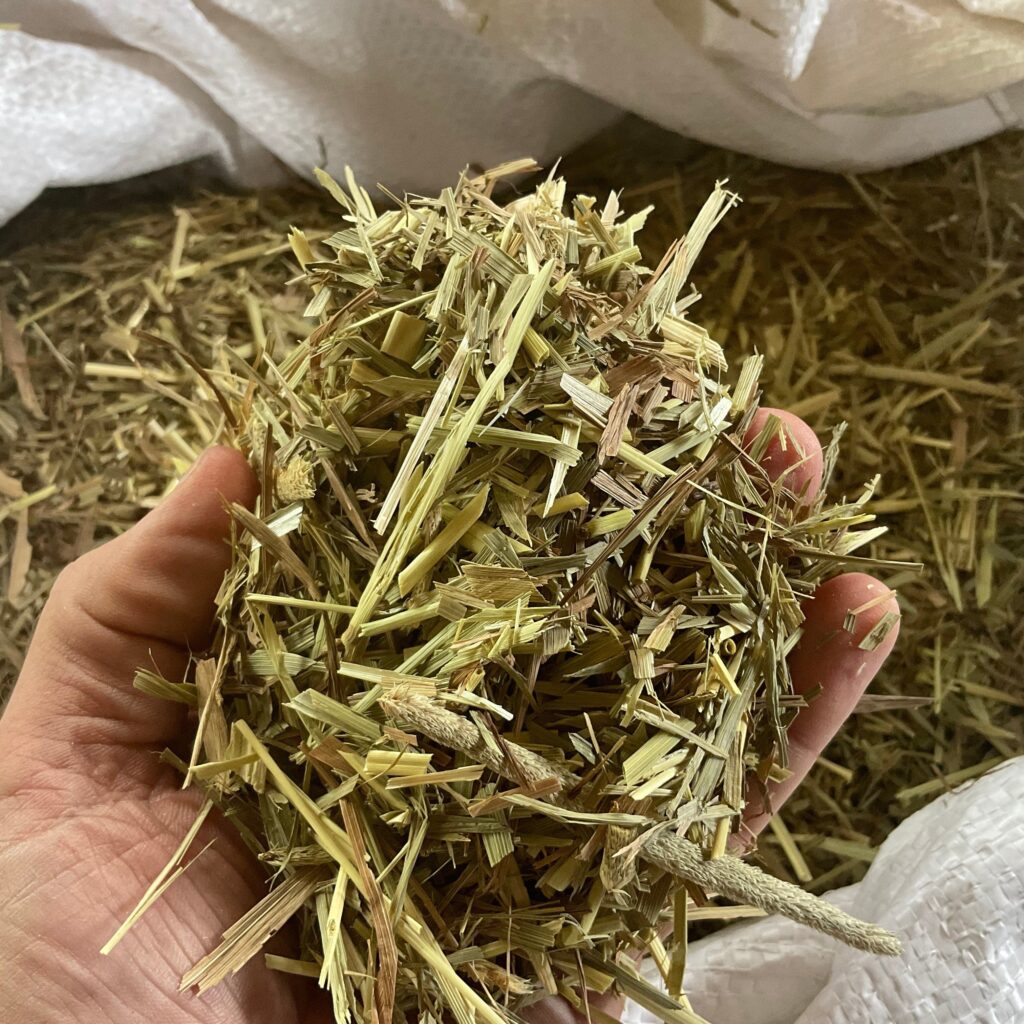
Hay soaking serves as a practical management tool for horse owners dealing with laminitis, but the effectiveness varies dramatically based on soaking time, water temperature, and the initial composition of your hay. Working with EquiFeed’s low-sugar forage experts can help you determine the ideal approach for your horse’s specific needs while ensuring they still receive proper nutrition during treatment.
Why Hay Soaking Matters for Laminitis Horses
Laminitis represents one of the most painful and potentially debilitating conditions affecting horses today. This inflammation of the sensitive laminae within the hoof often stems from metabolic issues, particularly insulin dysregulation. When a horse consumes forage high in non-structural carbohydrates (NSCs), their insulin response can trigger or worsen laminitis episodes.
The Link Between Sugar Content and Laminitis
Horses with insulin dysregulation or Equine Metabolic Syndrome (EMS) cannot efficiently process high levels of sugar and starch in their diet. These horses experience abnormal insulin responses when consuming feeds rich in water-soluble carbohydrates (WSCs), which include simple sugars and fructans. For these sensitive equines, maintaining forage with less than 10% combined sugar and starch is crucial for managing their condition and preventing painful laminitis flare-ups.
When a horse with metabolic issues consumes high-sugar hay, their insulin levels spike dramatically, triggering a cascade of inflammatory responses. This inflammation specifically targets the connection between the hoof wall and coffin bone, causing intense pain and potentially permanent damage. By reducing the WSC content through proper soaking techniques, you directly address one of the primary triggers of laminitis.
How Soaking Reduces Non-Structural Carbohydrates
Soaking works through a simple but effective process of leaching water-soluble sugars from hay into the surrounding water. As hay sits submerged, the soluble carbohydrates dissolve and transfer from the plant material into the water solution. The longer hay soaks, the more sugars generally leach out—but this relationship isn’t linear and eventually plateaus.
Research has shown that soaking can reduce WSC content by 20-50%, depending on the soaking conditions and original hay composition. This reduction can make the difference between a dangerous meal and a safe one for metabolically challenged horses. However, it’s important to note that soaking also removes other valuable nutrients, including proteins, minerals, and vitamins, which may require supplementation after extended soaking periods.
Perfect Hay Soaking Times for Laminitis Management
Finding the ideal soaking duration requires balancing effective sugar reduction against excessive nutrient loss. Let’s explore the most common soaking timeframes and their effects on hay composition. For a comprehensive guide on feeding horses with laminitis, consider the specific dietary needs to support recovery.
Understanding the nuances of hay soaking helps optimize your approach for maximum benefit with minimal drawbacks. These insights come from both scientific research and practical experience managing laminitis horses in various settings.
The effectiveness of hay soaking varies based on multiple factors including hay type, initial sugar content, and soaking conditions. This variability highlights why individualized approaches work better than one-size-fits-all recommendations.
Hay Soaking Duration Guidelines
Cold Water Soaking:
30 minutes: 20-30% WSC reduction
60 minutes: 30-40% WSC reduction
8-12 hours: 40-60% WSC reduction.
Hot Water Soaking (122°F/50°C):
15 minutes: 25-35% WSC reduction
30 minutes: 35-45% WSC reduction
60 minutes: 40-50% WSC reduction
Note: Results vary based on hay type, initial WSC content, and water temperature. Testing before and after soaking provides the most accurate assessment for your specific hay.
The science behind hay soaking continues to evolve as researchers develop more precise measurements of both sugar reduction and nutrient loss. This growing body of knowledge helps refine recommendations for optimal management of metabolic horses.
30-Minute Cold Water Soak: Basic Sugar Reduction
A brief 30-minute soak in cold water provides the minimum effective treatment for moderately high-sugar hay. This duration typically removes 20-30% of water-soluble carbohydrates while preserving most other nutrients. This approach works well for horses with mild insulin resistance or those just beginning laminitis management.
Short-duration soaking also fits conveniently into feeding routines, allowing for fresh preparation before each meal. The minimal nutrient loss means you generally won’t need additional supplementation with this approach. For hay that tested at 12-14% WSC, this brief soak might be sufficient to bring levels into the safe range below 10%.
60-Minute Cold Water Soak: Moderate Sugar Reduction
Extending the soaking time to 60 minutes provides a more substantial reduction in water-soluble carbohydrates, typically removing 30-40% of sugars from most hay types. This duration strikes an excellent balance between effective sugar removal and preservation of essential nutrients. For horses with confirmed insulin resistance or those recovering from a laminitis episode, this hour-long soak often represents the sweet spot in management.
The one-hour soak works particularly well with grass hays that have moderate to high initial sugar content. Many equine nutritionists recommend this duration as the standard approach for most metabolically challenged horses. It’s long enough to make a meaningful difference in WSC levels without creating significant nutritional deficiencies or practical management challenges.
8-12 Hour Cold Water Soak: Maximum Sugar Reduction
For horses with severe insulin dysregulation or acute laminitis cases, an extended overnight soak of 8-12 hours provides maximum sugar reduction. This approach can remove 40-60% of water-soluble carbohydrates, making it appropriate for the most sensitive equines or particularly high-sugar hay. However, this extensive soaking comes with significant trade-offs in terms of nutrient loss, palatability, and practical management.
Long-duration soaking significantly reduces protein content, leaches minerals, and can promote bacterial growth, especially in warmer weather. Horses on this feeding regimen typically require comprehensive vitamin and mineral supplementation to compensate for these losses. The wet, somewhat fermented smell may also reduce palatability for some horses, potentially decreasing intake in animals that already struggle to maintain weight.
Hot Water vs. Cold Water Soaking Effectiveness
Research has consistently shown that hot water soaking accelerates and enhances sugar removal compared to cold water at equivalent durations. Soaking hay in water heated to approximately 122°F (50°C) for just 30 minutes can achieve similar or greater WSC reduction than cold water soaking for 60 minutes. This temperature-dependent efficiency occurs because warm water more effectively dissolves and draws out soluble carbohydrates from plant cell structures.
The practical challenge with hot water soaking involves maintaining water temperature during the soaking period and the additional energy costs. For most home management situations, cold water soaking for slightly longer periods remains more practical, though commercial facilities might benefit from hot water systems when managing multiple laminitis horses. During winter months, starting with warm water can prevent freezing during the soaking process, a practical consideration in colder climates.
Step-by-Step Guide to Properly Soak Horse Hay
Effective hay soaking requires more than just submerging hay in water. Following these specific steps ensures maximum sugar reduction while maintaining feed quality and safety.
1. Choose the Right Container
Select a container large enough to fully submerge the hay portion while allowing water circulation around all surfaces. Purpose-built hay soaking bins with drainage systems offer convenience, but large muck buckets, clean trash cans, or even heavy-duty plastic storage totes can work effectively. The container should be easy to clean, as residual sugars can promote bacterial growth between uses. For multiple horses, consider a system that allows batch preparation while maintaining separation between individual portions.
2. Water Quality and Temperature Considerations
Use clean, fresh water for each soaking session, as sugars accumulate in the water and can reabsorb into hay if reused. In summer months, cold water works well, but consider starting with lukewarm water during winter to prevent freezing. Water temperature significantly impacts soaking efficiency – warmer water (not exceeding 122°F/50°C) accelerates sugar removal, potentially cutting required soaking time in half compared to cold water. For more detailed information on chaff and its uses, check out this complete guide to chaff for horses.
Water quality matters too – extremely hard water may affect mineral exchanges during soaking. If using highly chlorinated municipal water, allowing it to stand for 24 hours before soaking can reduce chlorine levels that might affect palatability.
3. Weighing and Preparing the Hay
Weigh hay before soaking to ensure consistent feeding amounts, as soaking changes weight dramatically. Remember that soaking typically increases weight by 2-3 times when fully saturated. Break apart compressed hay flakes to allow better water penetration and more uniform sugar removal. For particularly dense hay, consider loosening flakes before submersion to allow water to reach interior portions.
If using hay nets, select those with larger openings specifically designed for soaking, as these allow better water circulation. Some hay types benefit from a brief pre-soak spray down to begin breaking surface tension before full immersion. For more information on suitable alternatives, you can explore the best supplement alternatives to Timothy Chaff.
4. Draining and Serving Soaked Hay
After the appropriate soaking time, thoroughly drain the hay before feeding. Excessive moisture can create palatability issues and increase the risk of sand colic if fed from the ground. Purpose-built hay soaking nets or bags make this process easier by allowing quick drainage when lifted. For loose hay, consider dedicated draining racks that allow gravity to remove excess water for 10-15 minutes before feeding. For more information on feeding options, explore this complete guide to chaff for horses.
Properly drained hay should be damp but not dripping excessive water. In warm weather, feed soaked hay promptly after draining to prevent fermentation and bacterial growth. The sugar-rich water should be discarded away from pastures, as it can create highly concentrated patches of sugar if repeatedly dumped in the same location.
5. Handling Seasonal Adjustments to Soaking Times
Seasonal variations in hay sugar content require adjusting your soaking approach throughout the year. Spring and fall harvested hays typically contain higher WSC levels than summer cuts, potentially requiring longer soaking times. Ambient temperature also affects soaking efficiency – in cold weather, sugar leaching occurs more slowly, necessitating extended soaking periods or warmer water.
During hot summer months, bacterial growth becomes a significant concern with longer soaks. Consider shorter, more frequent soaking sessions with cold water, or use refrigerated water for overnight soaks. Winter conditions present the opposite challenge, with freezing temperatures potentially halting the soaking process entirely. Using insulated containers, starting with warm water, or soaking in temperature-controlled environments helps maintain consistent results year-round.
Beyond Soaking: Other Low-Sugar Feed Options
While hay soaking provides an effective method for reducing sugar content, it isn’t the only option for managing horses with metabolic issues. EquiFeed’s specialized low-sugar products offer convenient alternatives that maintain nutritional quality while eliminating the labor-intensive soaking process. These purpose-formulated feeds provide consistent NSC levels without the guesswork and variability inherent in soaking methods.
Low-NSC Chaff Products for Laminitis Horses
Commercial chaff products specifically formulated for laminitis horses offer a reliable alternative to soaked hay. These products typically contain chopped, low-sugar forage mixed with essential vitamins and minerals to compensate for nutrient losses. Many are manufactured through washing processes that remove water-soluble carbohydrates more effectively than home soaking methods, resulting in consistent NSC levels below 10%.
When selecting a low-NSC chaff, look for products that clearly state their sugar and starch content on the packaging. Many reputable manufacturers now provide detailed nutritional analyses, allowing for precise dietary management. These products work especially well as part of a mixed forage approach, complementing limited amounts of soaked hay while maintaining adequate fiber intake for digestive health.
Safe Haylage Alternatives
Properly produced haylage can offer another alternative for horses with laminitis. High-quality haylage is harvested earlier than traditional hay, wrapped while still containing some moisture, and undergoes mild fermentation that naturally reduces sugar content. However, not all haylage is created equal – some products may actually contain higher sugar levels than dry hay, making careful selection and testing essential. For a comprehensive understanding of equine nutrition, check out this complete guide to chaff for horses.
The best haylage options for laminitis horses are those specifically marketed as “low sugar” or “suitable for laminitis.” These specialized products undergo testing to ensure NSC levels remain below the critical 10-12% threshold. The higher moisture content of haylage also provides hydration benefits, particularly valuable for horses that may not drink adequate water during recovery from laminitis episodes.
Complete Feed Solutions for Severe Cases
For horses with severe metabolic issues or during acute laminitis episodes, complete feed solutions eliminate guesswork entirely. These all-in-one formulations combine precisely measured forage, protein, vitamins, and minerals with guaranteed low NSC levels. While typically more expensive than traditional feeding methods, they provide peace of mind through absolute consistency and scientific formulation specifically tailored to metabolic conditions.
Complete feeds also simplify management during critical recovery periods, when precise nutritional control can significantly impact healing. Many veterinarians recommend these solutions during initial treatment phases, gradually transitioning to more traditional soaked forage as the horse stabilizes. For ongoing management, these products can comprise a portion of the diet alongside soaked hay, creating a balanced approach that maintains metabolic stability.
Nutrient Loss During Soaking: What You Need to Know
While soaking effectively reduces harmful sugars, it also removes beneficial nutrients your horse needs for overall health and recovery. Understanding these losses helps you develop appropriate supplementation strategies to maintain complete nutrition while managing laminitis.
Essential Nutrients That Leach Out
During soaking, water-soluble vitamins like B-complex and vitamin C leach out most rapidly, often losing 30-50% within the first hour of soaking. Minerals including potassium, sodium, and some calcium compounds also dissolve into the water, with losses increasing proportionally with soaking time. Protein content diminishes as well, with longer soaks potentially reducing crude protein by 5-15%, affecting muscle maintenance and tissue repair during recovery.
The extent of nutrient loss varies based on hay type, cutting, and initial composition. Legume hays like alfalfa typically lose more calcium and protein during soaking than grass hays, while mixed hays show intermediate losses. Extended soaking beyond 12 hours can create significant nutritional deficiencies that must be actively addressed through supplementation.
Proper Supplementation After Soaking
Horses receiving soaked hay benefit from balanced vitamin and mineral supplementation to replace leached nutrients. Ration balancers formulated specifically for metabolic horses provide concentrated nutrition without adding significant calories or NSCs. These products typically contain chelated minerals for enhanced absorption, B-complex vitamins, and quality protein sources to support tissue repair during recovery.
For horses on extended soaking protocols (8+ hours), additional protein supplementation may be necessary to maintain muscle mass and support hoof growth. Low-NSC protein sources such as pea protein isolate or carefully selected amino acid supplements can address these needs without compromising metabolic stability. Work with an equine nutritionist to develop a supplementation program tailored to your horse’s specific requirements and soaking routine.
Creating a Complete Feeding Program for Laminitis Horses
Managing a laminitis horse requires a comprehensive approach beyond just soaking hay. A complete feeding program balances NSC restriction with adequate nutrition for healing and maintenance.
Balancing Calories and NSC Levels
The challenging aspect of feeding laminitis horses involves providing sufficient calories for body condition maintenance while strictly limiting NSC intake. This balance becomes particularly difficult with easy keepers who require minimal calories yet still need complete nutrition. Utilizing low-NSC, high-fiber forage forms the foundation, whether through soaked hay, commercial products, or a combination approach. For underweight horses recovering from laminitis, safe calorie sources include unmolassed beet pulp (soaked), stabilized rice bran with low starch content, and specialized low-starch complete feeds.
Calculate your horse’s daily caloric needs based on ideal body weight rather than current weight, especially if dealing with an overweight horse. Most metabolic horses maintain better health slightly below their maximum condition score, reducing inflammatory markers and improving insulin sensitivity. Gradually transition to any new feeding program over 1-2 weeks to minimize digestive upset during this already stressful period.
Feeding Frequency and Portion Control
Frequent small meals better regulate blood glucose levels compared to large, infrequent feedings. Aim for 3-6 small hay meals daily rather than twice-daily feedings, using slow-feeding devices to extend consumption time. Specialized hay nets with small openings or feeding boxes with restrictive grates naturally slow intake while mimicking the grazing behavior horses evolved to perform.
When portioning soaked hay, remember that wet weight differs significantly from dry weight. Calculate feeding amounts based on the original dry weight, understanding that a 5-pound flake may weigh 10-15 pounds after soaking. This precision helps prevent unintentional overfeeding or underfeeding during treatment. For accurate portion control, consider investing in a hanging scale specifically for weighing hay portions before and after soaking. Additionally, for horses with specific dietary needs, explore cautions for overweight horses when choosing the right type of chaff.
Monitoring Body Condition During Treatment
Regular body condition scoring provides essential feedback about your feeding program’s effectiveness. Document your horse’s condition using both the Henneke 1-9 scale and weight tape measurements at consistent 2-week intervals. Photographs from standard angles (side, rear, top) provide visual references to track subtle changes over time.
Expect weight loss to occur gradually, ideally no more than 1-2% of body weight monthly for overweight horses. More rapid weight loss can trigger fat mobilization that potentially worsens insulin resistance temporarily. For horses needing to gain weight during recovery, similarly gradual increases support metabolic stability while rebuilding condition. Adjust soaking times and supplementation based on these regular assessments, working closely with your veterinarian to modify the program as your horse’s condition evolves.
Hay Soaking Management Tips for Horse Owners
The practical aspects of implementing a soaking routine can challenge even the most dedicated horse owners. These management strategies help integrate soaking into your daily routine while minimizing labor and maximizing effectiveness.
Practical Setup Ideas for Daily Soaking
Create a dedicated soaking station near your feed preparation area with multiple containers to handle batch preparation. Wall-mounted hose reels with spray nozzles allow quick filling and cleaning of soaking containers without heavy lifting. Consider elevated platforms or draining racks positioned to allow gravity-assisted draining directly into disposal areas, reducing the physical strain of handling water-laden hay.
For winter management, insulated soaking containers or submersible aquarium heaters (used with caution and proper electrical safety) can prevent freezing during extended soaks. Summer setups might include shade covers or cooling systems to prevent bacterial proliferation during necessary soaking periods. Some owners report success with modified laundry sinks featuring built-in drainage systems for smaller operations, while larger barns might justify commercial-grade hay soaking systems with automated water exchange.
Dealing with Soaking Water Disposal
The water left after soaking contains concentrated sugars and some nutrients that require proper disposal. This sugar-rich water should never be dumped near pastures or paddocks, as it creates areas of highly concentrated sugars that can attract horses and potentially cause digestive disturbances. It also shouldn’t enter waterways where it may contribute to algal growth or other environmental issues.
Ideal disposal options include dedicated drainage areas that divert water to non-grazing zones or dilution systems that safely disperse the water over large non-pasture areas. Some operations utilize collection systems that direct soaking water to specific landscape plantings that benefit from the additional nutrients, effectively recycling the dissolved components. During winter months, avoid creating ice hazards by establishing drainage paths that won’t freeze in high-traffic areas.
For operations with multiple laminitis horses, consider creating a rotation system for disposal areas to prevent excessive nutrient concentration at any single location. Record keeping helps track disposal patterns and identify any potential issues before they become problematic. Additionally, incorporating probiotics for horses with laminitis can support their overall health.
- Never dispose of soaking water where horses can access it or drink it
- Rotate disposal locations to prevent nutrient buildup in specific areas
- Consider directing water to non-edible landscape plants that can benefit from nutrients
- In dry regions, dilute soaking water substantially before using for any plant irrigation
- Check local regulations regarding agricultural wastewater disposal requirements
Time-Saving Batch Preparation Methods
For multi-horse operations or busy schedules, batch preparation systems can dramatically improve efficiency. Consider preparing 24 hours of soaked hay at once, storing drained portions in ventilated containers in cool locations during winter months. During warmer weather, refrigeration of drained hay can extend safe storage to 12 hours, though twice-daily preparation remains preferable to prevent fermentation or mold growth.
When to Test Your Hay Before Soaking
Testing your hay provides the foundation for effective laminitis management, revealing the actual NSC content rather than relying on visual assessment or general guidelines. All hay intended for laminitis horses should undergo laboratory analysis before developing a soaking protocol, as initial sugar levels dramatically impact necessary soaking duration. Hay appearing identical visually can vary from 8% to 25% WSC content depending on cutting time, plant species, weather conditions during growth, and curing methods.
Understanding NSC Testing Results
When reviewing hay analysis reports, focus on three key values: Water Soluble Carbohydrates (WSC), Ethanol Soluble Carbohydrates (ESC), and starch content. WSC includes all water-soluble sugars including fructans, while ESC primarily measures simple sugars excluding fructans. For complete assessment, add starch content to either WSC or ESC values to determine total Non-Structural Carbohydrates. Different laboratories may report these values using varied terminology, so consult with your equine nutritionist to properly interpret results for your specific situation.
Safe NSC Thresholds for Laminitis Horses
Current research indicates that horses with insulin dysregulation should consume hay with combined sugar and starch levels below 10-12% on a dry matter basis. More severe or acute cases may require even lower thresholds of 8-10% total NSC, particularly during active laminitis episodes. These strict guidelines explain why even moderate-quality hay often requires soaking to become safe for affected horses.
Testing after soaking provides valuable feedback about your method’s effectiveness. By comparing pre-soaking and post-soaking analyses, you can determine whether your current duration achieves sufficient reduction or requires adjustment. This scientific approach eliminates guesswork and ensures your management practices actually deliver the intended benefits.
Remember that hay from different cuttings, fields, or years requires separate testing, as NSC content varies significantly even from the same supplier. Many owners establish relationships with hay providers who consistently produce lower-sugar options, potentially reducing required soaking times while maintaining quality.
Your Laminitis Horse Feeding Success Plan
Managing a horse with laminitis requires dedication, consistency, and scientific precision in feed management. Start with quality forage testing, implement appropriate soaking protocols based on your horse’s specific needs, and complement with targeted supplementation to address nutrient gaps. Regular monitoring and adjustment in partnership with your veterinary team provides the foundation for success in managing this challenging condition.
Frequently Asked Questions
Horse owners managing laminitis through hay soaking often share common questions about the process. These answers address the most frequent concerns while providing practical guidance for implementation.
How much sugar content can be removed by soaking hay?
Hay soaking typically removes 20-60% of water-soluble carbohydrates, with effectiveness varying based on duration, water temperature, and initial hay composition. Cold water soaking for 30-60 minutes generally removes 20-40% of WSCs, while hot water soaking at 122°F (50°C) for the same duration can remove 30-50%. Extended overnight soaking in cold water may remove up to 60% of water-soluble sugars, but also causes significant loss of other nutrients. The physical structure of your specific hay also impacts results—finer-stemmed, leafier hay releases sugars more readily than coarse, stemmy varieties due to greater surface area exposure to water.
Can I soak hay in advance and store it for later use?
Soaked hay should ideally be fed within 6-12 hours of draining, depending on ambient temperature and storage conditions. During cool weather (below 50°F/10°C), properly drained hay can be stored for up to 12 hours in ventilated containers without significant quality deterioration or dangerous bacterial growth. In warmer conditions, limit storage to 6 hours maximum, and consider refrigeration for any storage exceeding 2-3 hours. Never store soaked hay in sealed containers or plastic bags, as the trapped moisture rapidly promotes mold and bacterial proliferation that can cause respiratory issues or digestive upset when consumed.
Will soaking hay completely eliminate the risk of laminitis flare-ups?
Hay soaking represents one important component of laminitis management but cannot eliminate risk entirely on its own. While reducing water-soluble carbohydrates significantly decreases a major trigger for insulin dysregulation, other factors including stress, medication (particularly corticosteroids), obesity, and concurrent conditions like PPID (Cushing’s) also influence laminitis susceptibility. The most successful management programs combine appropriate hay soaking with weight management, controlled exercise as permitted by your veterinarian, proper hoof care, stress reduction, and medication when indicated. Regular monitoring for early signs of discomfort allows rapid intervention before minor episodes develop into serious flare-ups.
How do I know if my horse needs a low-sugar diet?
Horses requiring low-sugar diets typically show specific clinical indicators that warrant veterinary evaluation. These include prior laminitis episodes, cresty necks scoring 3 or higher on the 0-5 scale, abnormal fat deposits (particularly over the tailhead, shoulders, or behind the withers), difficulty losing weight despite restricted calories, excessive drinking and urination, or abnormal blood work showing elevated insulin levels. Certain breeds show higher predisposition to insulin dysregulation, including ponies, Morgans, Spanish breeds, and many easy-keeper types. If your horse displays these characteristics, consult with your veterinarian about testing for insulin resistance or PPID, which often indicates the need for NSC restriction through methods like hay soaking.
Does soaking hay affect its palatability for horses?
Soaking typically alters hay palatability, with effects varying based on duration and individual horse preferences. Brief soaking (30-60 minutes) often enhances palatability for many horses, as the softened texture and mild sweetness of the remaining sugars creates an appealing forage. Extended soaking (8+ hours) frequently reduces palatability due to the leaching of flavoring compounds and the development of subtle fermentation odors. Horses transitioning to long-soaked hay sometimes show initial reluctance but generally adapt within 3-7 days if no alternatives are offered. For particularly selective eaters, gradually increasing soaking duration can help with acceptance, or adding small amounts of permitted flavoring agents like salt or approved herbs may improve consumption during the adjustment period.
Remember that palatability matters significantly for laminitis horses needing to maintain adequate forage intake. Finding the optimal soaking duration that balances sugar reduction with acceptable taste ensures your horse receives the necessary fiber for digestive health during recovery.




Leave a Reply