
Key Takeaways
- Timothy chaff is generally the safer option for overweight horses due to its consistently lower sugar and non-structural carbohydrate content.
- Meadow chaff offers more fiber variety but comes with unpredictable nutritional content that requires careful monitoring for metabolically sensitive horses.
- Overweight horses benefit from late-cut chaff varieties which contain less sugar and protein while still providing necessary fiber.
- The presence of clover or legumes in meadow chaff can increase sugar levels, potentially triggering laminitis in predisposed horses.
- Proper chaff selection is crucial for effective weight management and can help prevent serious metabolic conditions like insulin resistance and laminitis.
Why Your Overweight Horse’s Chaff Choice Matters

Selecting the right chaff for your overweight equine companion isn’t just about reducing calories. The specific type of chaff you choose directly impacts your horse’s metabolic health, energy levels, and long-term weight management success. Approximately 45% of domestic horses struggle with excess weight, making informed dietary choices critical for their well-being.
When managing an overweight horse, the focus shifts from simply reducing food volume to providing optimal nutrition with minimal excess energy. Chaff—the chopped dried forage that serves as a fiber source—plays a pivotal role in this balancing act. It provides the necessary fiber to maintain gut health while potentially controlling caloric intake if selected wisely.
Different chaff varieties contain vastly different nutritional profiles, with some types potentially exacerbating weight issues or triggering metabolic conditions like insulin resistance and laminitis. Understanding these differences can mean the difference between successful weight management and ongoing health struggles for your equine companion.
Timothy Chaff: The Safer Option for Overweight Horses
Timothy chaff has earned its reputation as the go-to choice for overweight equines due to its consistently favorable nutritional profile. This chaff variety is processed from timothy grass (Phleum pratense), a cool-season perennial known for its excellent digestibility and lower caloric content compared to other forage options. For horses struggling with weight issues, this natural balance of nutrients provides satisfying bulk without excessive energy.

Low Sugar and NSC Content
The standout characteristic of timothy chaff is its naturally lower levels of sugar and non-structural carbohydrates (NSC). This reduced NSC profile is crucial for overweight horses, as excess sugars and starches can trigger insulin spikes that promote fat storage and potentially lead to insulin resistance. When cut at maturity, timothy chaff typically contains between 7-9% NSC, well below the 10-12% threshold recommended for metabolically sensitive horses.
Compare this to other chaff varieties like oaten chaff, which can contain up to 22% NSC depending on cutting time and growing conditions. This significant difference makes timothy chaff particularly valuable for horses prone to metabolic issues or those recovering from conditions like laminitis, where sugar restriction is essential for recovery and prevention. For more information on managing laminitis in horses, explore this beginner’s guide.
Consistent Nutritional Profile
One of timothy chaff’s greatest advantages is its predictable nutritional content across different batches. Unlike meadow chaff, which can vary dramatically depending on the species composition, timothy chaff offers reliable levels of protein (typically 6-10%), energy, and minerals. This consistency allows for more precise diet formulation when managing an overweight horse.
The predictability extends to seasonal variations as well. While other forage types might fluctuate significantly in sugar content based on growing conditions, timothy grass maintains relatively stable sugar levels throughout its growth cycle. This reliability proves invaluable when creating a weight management feeding program that requires minimal adjustments over time.
Benefits for Metabolic and Insulin-Resistant Horses
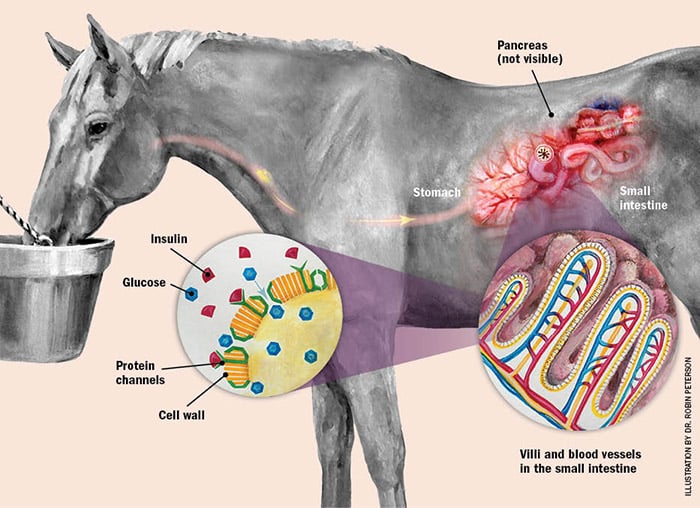
“Horse Have Insulin Dysregulation …” from thehorse.com
For horses with Equine Metabolic Syndrome (EMS) or insulin resistance, timothy chaff serves as more than just a low-calorie filler—it becomes a therapeutic dietary component. The fiber structure promotes slower digestion and more gradual glucose release, helping to prevent the dangerous blood sugar spikes that can trigger or worsen insulin resistance. This steady energy release pattern supports metabolic health while still providing necessary nutrients.
Timothy chaff also contains beneficial omega-3 fatty acids that support anti-inflammatory processes in the body. This anti-inflammatory effect can be particularly valuable for overweight horses, as excess adipose tissue often contributes to chronic low-grade inflammation. The combination of fiber structure and natural anti-inflammatory properties makes timothy chaff an ideal foundation for managing metabolically challenged equines.
Potential Drawbacks of Timothy Chaff
While timothy chaff offers significant benefits for overweight horses, it’s not without limitations. The most notable drawback is its relatively low protein content compared to other chaff varieties. With protein levels typically ranging from 6-10%, timothy chaff may not provide sufficient protein for horses with specific requirements, such as those recovering from illness or older horses needing additional protein support.
The lower protein content can actually be advantageous for purely weight management purposes, but it means owners must carefully balance the complete diet to ensure all nutritional needs are met. Some horses may require protein supplementation alongside timothy chaff, particularly if it constitutes a large portion of their daily intake.
Meadow Chaff: Proceed with Caution
Meadow chaff represents a more diverse forage option, typically containing a mixture of grass species harvested from meadows rather than a single cultivated grass type. This diversity creates both advantages and significant challenges when managing overweight horses. While meadow chaff can provide a broader spectrum of nutrients and fibers than single-species chaff, its variable composition demands careful consideration before including it in a weight management program.
Variable Nutritional Content
The defining characteristic of meadow chaff—and its primary concern for overweight horses—is its unpredictable nutritional profile. Unlike timothy chaff’s consistent composition, meadow chaff can vary dramatically in protein content (ranging from 8-16%), energy levels, and most critically, sugar content. This variability stems from the diverse grass species present, each with different nutritional properties and sugar accumulation patterns.
Even within the same supplier or growing region, nutritional content can fluctuate significantly between batches. This inconsistency makes it challenging to maintain a stable feeding program for weight management, potentially leading to unintended caloric increases or metabolic stress. For horses requiring precise nutritional control, this unpredictability represents a significant risk factor.
Hidden Dangers: Clover and Legume Presence
Perhaps the greatest concern with meadow chaff for overweight or metabolically sensitive horses is the potential presence of clover and other legumes. These plants naturally contain higher levels of sugar and protein compared to grasses, which can trigger dangerous metabolic responses in predisposed horses. Even small amounts of clover in meadow chaff can significantly elevate its overall sugar content, potentially triggering insulin spikes or laminitis flare-ups in sensitive individuals.
Identifying clover content in meadow chaff requires careful visual inspection, as it’s often thoroughly mixed and chopped during processing. The characteristic three-leaf structure of clover becomes difficult to detect once processed, making nutritional analysis the only reliable method of determining exact composition. This creates an additional layer of uncertainty that requires vigilant monitoring for horses on weight management programs.
When Meadow Chaff Can Work for Weight Management
Despite these cautions, meadow chaff can be suitable for overweight horses under specific conditions. Late-cut mature meadow chaff tends to have lower sugar and protein levels, making it more appropriate for weight management than early-cut varieties. This mature chaff contains more lignified fiber, which provides gut-filling bulk with less digestible energy—an ideal combination for maintaining gut health while restricting calories. For more insights, check out these latest findings on equine supplements.
For horses without serious metabolic sensitivities or a history of laminitis, properly selected meadow chaff can offer valuable dietary diversity. The varied fiber sources can support a more complex gut microbiome, potentially improving overall digestive efficiency and health. However, this option requires regular nutritional testing and close monitoring of the horse’s weight and metabolic indicators to ensure it remains appropriate.
Nutritional Comparison: Timothy vs. Meadow Chaff
Understanding the nutritional differences between timothy and meadow chaff helps inform better feeding decisions for overweight horses. While individual batches will vary, these general comparisons highlight the key considerations when selecting between these chaff options for weight management purposes.
|
Nutrient Component |
Timothy Chaff |
Meadow Chaff |
Impact on Overweight Horses |
|---|---|---|---|
|
Sugar/NSC Content |
7-9% (consistent) |
8-18% (highly variable) |
Lower is better; high NSC promotes insulin resistance |
|
Protein |
6-10% |
8-16% |
Lower protein reduces excess energy intake |
|
Digestible Energy |
7-8 MJ/kg |
8-10 MJ/kg |
Lower energy supports weight loss goals |
|
Fiber Content |
30-35% |
25-35% |
Higher fiber promotes satiety and gut health |
|
Consistency Between Batches |
High |
Low |
Consistency allows better dietary control |
Protein Levels and What They Mean for Your Horse
Protein content represents a critical difference between timothy and meadow chaff varieties. Timothy chaff’s lower protein level (6-10%) makes it inherently more suitable for overweight horses who rarely need additional protein in their diet. Excess protein gets converted to energy in the horse’s body, potentially contributing to weight gain when provided beyond requirements. For maintenance of adult horses, even those at work, protein requirements typically range from 8-10% of the diet, making timothy chaff’s protein content sufficient for most cases.
Meadow chaff’s variable and potentially higher protein content (8-16%) means it may deliver unnecessary protein to overweight horses, especially if the meadow mix contains significant legume content. This excess protein not only provides additional calories but also increases the horse’s water requirements and kidney workload as the body processes and excretes the nitrogen from surplus protein. For horses with existing kidney issues or those prone to dehydration, this represents an additional physiological burden to consider. For more information on supplements that might aid in managing these conditions, check out this guide to equine supplements.
Energy Content and Weight Management Impact
The digestible energy content between these chaff varieties presents another crucial difference for weight management. Timothy chaff typically provides 7-8 megajoules per kilogram (MJ/kg) of digestible energy, significantly lower than the 8-10 MJ/kg often found in meadow chaff. This 10-25% reduction in energy content directly impacts the daily caloric intake of overweight horses, creating a natural calorie restriction without reducing the physical volume of feed that keeps horses feeling satisfied.
For a typical 500kg horse on a weight management program, this energy difference could translate to 4-8 MJ less per day when feeding equivalent amounts—approximately 10-20% of their maintenance energy requirements. This natural calorie reduction occurs while still maintaining the psychological benefits of regular feeding and chewing time, which is essential for preventing stress-related behaviors in horses on restricted diets.
Mineral Profiles and Supplementation Needs
Mineral content represents another notable difference between timothy and meadow chaff varieties. Timothy chaff generally contains lower levels of calcium compared to meadow chaff, particularly if the latter contains any legume content. While this lower calcium content might seem disadvantageous, it actually creates a more balanced calcium-to-phosphorus ratio for adult horses, especially those consuming other calcium-rich components in their diet.
Both chaff types typically require mineral supplementation to meet a horse’s complete nutritional needs, regardless of weight status. However, the predictable mineral profile of timothy chaff makes supplementation programs easier to calculate and implement consistently. With meadow chaff’s variable composition, mineral imbalances can occur without regular testing and adjustment, potentially creating nutritional gaps or excesses that complicate weight management efforts.
How to Feed Chaff to Overweight Horses
Implementing chaff effectively into an overweight horse’s diet requires more than simply choosing the right variety. Proper portion control, preparation methods, and feeding strategies significantly impact the success of weight management programs, transforming even the best chaff choice from helpful to potentially harmful if mishandled.
Proper Portion Sizes
Determining appropriate chaff portions begins with understanding your horse’s actual needs rather than traditional feeding guidelines. For overweight horses, chaff should generally comprise 0.5-1% of ideal body weight daily (not current weight), typically 2-5kg for an average 500kg horse. This amount provides necessary fiber while creating a caloric deficit when combined with limited grazing or hay.
Always weigh chaff rather than feeding by volume, as chaff density can vary significantly between batches and types. A standard feed scoop might contain anywhere from 400g to 800g depending on the chaff’s cut length, moisture content, and compaction. This variation can lead to unintentional overfeeding that undermines weight management efforts.
Soaking Techniques to Reduce Sugar Content
Soaking chaff before feeding can further reduce its sugar content, making even moderate-NSC varieties safer for metabolically sensitive horses. A 30-minute soak in cold water can remove approximately 20-30% of water-soluble carbohydrates, while hot water soaking may remove up to 40%. This technique proves particularly valuable when using meadow chaff or when timothy chaff availability is limited. For more information on managing horse diets, check out this guide on hoof health supplements.
The soaking process requires draining and discarding the water completely, as it contains the leached sugars. While this additional preparation step requires planning, it can significantly increase the safety margin for horses with insulin resistance or those recovering from laminitis. However, remember that soaking also removes some beneficial water-soluble nutrients, potentially necessitating vitamin supplementation for horses on primarily soaked forage diets.
Combining Chaff with Other Feed Components
Chaff serves multiple purposes in an overweight horse’s diet beyond its own nutritional contribution. When combined with necessary supplements or medications, chaff provides a carrier medium that slows consumption and ensures complete intake. For horses requiring vitamin/mineral supplements, mixing these thoroughly with moistened chaff prevents sorting behavior while improving palatability.
When using chaff alongside limited forage, consider implementing a 1:4 ratio of chaff to hay by weight. This combination extends eating time while maintaining portion control, addressing both the physical and psychological aspects of equine feeding. For extremely limited forage programs, adding a small amount of beet pulp (soaked, no molasses) to the chaff can further increase the fiber content and satiety factor without significantly increasing calories.
Feeding Schedule for Optimal Weight Management
Distributing chaff meals throughout the day rather than feeding once or twice daily supports more natural eating patterns and improved digestion. Aim for 3-4 smaller chaff meals when possible, using slow-feeders or hay nets with small openings to extend consumption time. This approach maintains more consistent gut activity while preventing the hunger-induced stress that can lead to behavioral issues or metabolic disturbances.
For horses with severely restricted grazing, consider scheduling the largest chaff portion during turnout time with pasture-kept companions. This synchronizes feeding time with the herd, reducing stress associated with food restriction while maintaining social eating behaviors. Automatic feeders programmed to distribute small portions throughout the day can also replicate natural grazing patterns for stabled horses on strict weight management programs.
Signs Your Chaff Choice Isn’t Working
Even with careful selection, not every chaff variety works for every overweight horse. Recognizing when your chosen chaff isn’t supporting weight management goals requires regular monitoring and assessment of several key indicators.
Weight Gain or Stalled Weight Loss
The most obvious sign that your chaff choice needs reassessment is continued weight gain or a prolonged plateau in weight loss despite controlled portions. Weight tape measurements should show a gradual decrease of 0.5-1% body weight per week during active weight loss phases; anything less suggests the current feeding program isn’t creating sufficient caloric deficit. If using meadow chaff and seeing minimal progress despite portion control, switching to timothy chaff’s lower energy profile may help restart weight loss.
Remember that visual assessment can be misleading, as redistribution of weight or changes in gut fill might create the appearance of weight loss without actual changes in body condition score. Maintain consistent weight tape measurements at the same time of day, ideally weekly, to accurately track progress and identify when chaff adjustments might be necessary.
Metabolic Changes to Watch For
Subtle metabolic indicators often signal problems with chaff suitability before obvious weight changes occur. Increased drinking and urination, development of fat pads in the crest or tailhead region, or lethargy after feeding may indicate inappropriate sugar content in the current chaff. These symptoms suggest insulin dysregulation that requires immediate dietary adjustment, potentially including a switch to lower-NSC timothy chaff or implementing soaking protocols.
Digestive Issues and Discomfort
- Increased gas or mild colic symptoms after introducing new chaff
- Changes in manure consistency, particularly looser droppings
- Reluctance to consume the chaff or selective eating patterns
- Increased wood-chewing or other oral stereotypies
Digestive disturbances often indicate that the current chaff choice doesn’t suit your horse’s specific gut microbiome or fiber requirements. These signs typically appear within the first 1-2 weeks of introducing a new chaff variety. If digestive issues persist beyond an initial adaptation period, consider gradually transitioning to an alternative chaff type, potentially mixing varieties during the transition to minimize gut disruption.
For horses showing persistent digestive sensitivity, meadow chaff’s variable composition may be contributing to inconsistent gut function. The more predictable fiber structure of timothy chaff often provides greater digestive stability, particularly for horses with sensitive digestive systems or those prone to colic episodes.
Always consult with your veterinarian if digestive symptoms persist or worsen, as they might indicate underlying health issues beyond dietary reactions. Proper diagnosis ensures that chaff adjustments address the actual cause rather than masking symptoms of more serious conditions.
Creating a Complete Diet Plan for Your Overweight Horse
Chaff selection represents just one component of a comprehensive weight management strategy for overweight horses. The most successful approaches integrate appropriate chaff choices with carefully controlled forage, limited or eliminated concentrates, strategic exercise, and regular monitoring. This holistic approach addresses both the physical and psychological aspects of equine weight management, creating sustainable results without compromising welfare.
Working with an equine nutritionist to formulate a complete feeding program ensures that weight loss occurs without creating nutritional deficiencies. Remember that even overweight horses require adequate protein, vitamins, and minerals to maintain health; restriction should focus primarily on digestible energy rather than overall nutrients. With proper implementation, the right chaff choice becomes the foundation of a successful weight management strategy that improves both current comfort and long-term health for your equine companion. For additional guidance, consider this step-by-step introduction into horse diet to ensure comprehensive nutrition.
Frequently Asked Questions
Managing overweight horses through chaff selection generates many common questions from concerned owners. These practical answers address the most frequent concerns while providing actionable guidance for implementing effective feeding strategies.
Remember that individual horses respond differently to dietary changes, making close observation and willingness to adjust approaches essential for success. When in doubt, consult with an equine veterinarian or nutritionist familiar with metabolic cases for personalized recommendations.
The following questions represent the most common concerns raised by owners implementing chaff-based weight management programs for their horses.
Can I mix Timothy and Meadow chaff together?
Yes, mixing timothy and meadow chaff creates a balanced approach that can work well for moderately overweight horses without severe metabolic issues. Start with a higher proportion of timothy (approximately 70:30 ratio) to maintain lower overall NSC levels while introducing the varied fiber benefits of meadow chaff. This combination provides nutritional diversity while minimizing the risks associated with meadow chaff’s variable composition, particularly for horses transitioning from high-sugar diets to more restricted feeding programs.
How quickly should I transition my horse to a new chaff type?
Implement chaff transitions over 7-10 days to allow the gut microbiome to adjust gradually. Begin by replacing 25% of the current chaff with the new variety for 2-3 days, then increase to 50% for another 2-3 days, followed by 75% for 2-3 days before completing the transition. This gradual approach minimizes digestive upset while allowing you to monitor for any adverse reactions before fully committing to the new chaff variety.
Is Timothy chaff more expensive than Meadow chaff?
Timothy chaff typically costs 15-30% more than standard meadow chaff due to its specialized growing requirements and more controlled harvesting process. However, this price difference often balances out through reduced veterinary interventions and more predictable results in weight management programs. When calculating actual feeding costs, remember that timothy chaff’s lower energy content might allow slightly larger portions while still supporting weight loss, potentially offsetting some of the per-kilogram price difference.
For budget-conscious owners, consider using timothy chaff as the primary forage for horses with significant metabolic concerns, while potentially using good-quality meadow chaff for horses who merely need moderate weight control without metabolic complications. This targeted approach concentrates resources where they deliver the greatest health benefits.
Can I feed chaff as the only forage for my overweight horse?
- Chaff alone rarely provides sufficient long-stem fiber for optimal gut function
- Horses need minimum 1.5% body weight in forage daily for digestive health
- Extended chewing time from long-stem forage helps prevent behavioral issues
- Chaff works best as a supplement to carefully rationed hay or limited grazing
While chaff provides valuable fiber, it shouldn’t completely replace long-stem forage in your horse’s diet. Instead, use chaff to extend limited hay rations by mixing them together, allowing smaller hay portions while maintaining adequate physical volume. For extremely weight-challenged horses, consider combining chaff with carefully selected low-sugar hay that’s been tested for NSC content and potentially soaked to further reduce sugars.
Slow-feeding systems that extend consumption time work particularly well when using a combination of chaff and limited hay. These systems prevent rapid ingestion while encouraging the natural grazing behavior that supports both digestive and psychological health. The small-particle nature of chaff means it should be fed from appropriate containers that minimize waste and prevent sand or dirt ingestion.
If severe weight management necessitates significant forage restriction, consult with your veterinarian about adding psyllium or other soluble fiber supplements to the chaff portion. These supplements help maintain hindgut function during periods of reduced long-stem fiber intake, reducing colic risk during intensive weight loss programs.
Never implement extreme forage restriction without veterinary supervision, as the risks of gastric ulcers, colic, and behavioral problems increase significantly when horses consume less than 1.5% of their body weight in total forage daily. Successful weight management prioritizes forage quality and feeding method over severe quantity restriction.
How do I know if my horse is actually overweight or just naturally “good-doer”?
Distinguishing between a genuinely overweight horse and a naturally easy keeper requires objective assessment rather than comparison to other horses. The Body Condition Score (BCS) system provides a standardized 1-9 scale where scores above 6 indicate excess fat accumulation requiring dietary management regardless of natural type. Pay particular attention to fat deposits along the crest, tailhead, behind the shoulder, and over the ribs—areas where even naturally stocky breeds shouldn’t carry significant fat.






Leave a Reply