
Key Takeaways
- Pellet form supplements are often preferred for EMS horses due to their ease of use and better nutrient absorption.
- Choosing supplements with low sugar and starch content is crucial for managing EMS effectively.
- Some top pellet supplements for EMS include Spillers Lite and Lean, Forageplus Laminae Plus, and Uckele Glycocemic EQ Pellets.
- Always consult with a veterinarian before introducing new supplements to ensure they meet your horse’s specific needs.
Understanding EMS and the Role of Pellet Supplements

| Key Feature | Benefits for EMS Horses |
|---|---|
| Pellet Form | Easy to measure and administer, ensuring accurate dosage for consistent nutrient intake, crucial for managing EMS. |
| Enhanced Nutrient Absorption | Pellets break down quickly in the digestive tract, allowing efficient absorption of essential vitamins and minerals that support metabolic processes and overall health. |
| Low Sugar and Starch Content | Formulated with low non-structural carbohydrates (NSCs) to stabilize blood sugar and insulin levels, reducing the risk of laminitis and other EMS complications. |
| Ease of Feeding | Simple to mix with other feeds and less prone to waste, with a palatable taste suited for picky eaters, ensuring accurate dosing. |
| Long Shelf Life | Pellets generally maintain potency over time, providing a stable, reliable nutrient source for extended use. |
| Nutrient-Rich Formulations | Often include magnesium, chromium, and antioxidants that improve insulin sensitivity and support metabolic health, beneficial for managing weight and metabolic balance in EMS horses. |
| Brand-Specific Options | Supplements like Spillers Lite and Lean, Forageplus Laminae Plus, and Uckele Glycocemic EQ Pellets are specially formulated for EMS, supporting metabolic health, weight management, and hoof health. |
| Regulation of Insulin Sensitivity | Ingredients like magnesium and chromium help regulate insulin sensitivity, promoting stable blood sugar levels and reducing EMS symptoms. |
| Support for Hoof Health | Supplements like Forageplus Laminae Plus are formulated to support laminae health, reducing the risk of laminitis, a common complication of EMS. |
| Weight Management | Ingredients promoting weight control without excess calories are especially beneficial for “easy keepers” or horses prone to weight gain, supporting EMS management. |
| Metabolic Health Support | Products like SmartPak Smart Metabo-Lean contain ingredients to aid in appetite regulation, fat metabolism, and overall metabolic function, key for EMS control. |
| Anti-Inflammatory Properties | Some supplements contain omega-3 fatty acids and other natural anti-inflammatory components, which help reduce oxidative stress and promote overall health. |
Prime Characteristics of Equine Metabolic Syndrome
Equine Metabolic Syndrome is primarily characterized by three main issues: obesity, insulin resistance, and an increased risk of developing laminitis. Horses with EMS often have difficulty losing weight, even with restricted calorie intake. This condition is similar to metabolic syndrome in humans and can lead to severe health problems if not managed properly.
Insulin resistance is a key component of EMS. It occurs when the horse’s body becomes less responsive to insulin, a hormone that regulates blood sugar levels. As a result, the horse may experience elevated blood sugar levels, which can lead to further complications, including laminitis.
Why Choose Pellet Form Supplements?
Pellet form supplements offer several advantages over other forms. First, they are easier to measure and administer, ensuring that your horse receives the correct dosage every time. This consistency is crucial when managing a condition like EMS, where precise nutrient intake can make a significant difference.
One of the most effective EMS management strategies involves dietary modifications, including the use of supplements specifically designed for EMS horses. Pellet form supplements are particularly beneficial because they provide a concentrated source of nutrients that are easy for the horse to consume.
Moreover, pellet supplements often contain a balanced mix of essential nutrients tailored to the needs of EMS horses. These supplements are designed to support metabolic health, promote weight loss, and improve insulin sensitivity, all of which are vital for managing EMS effectively.
Benefits of Pellet Form Supplements for EMS Horses
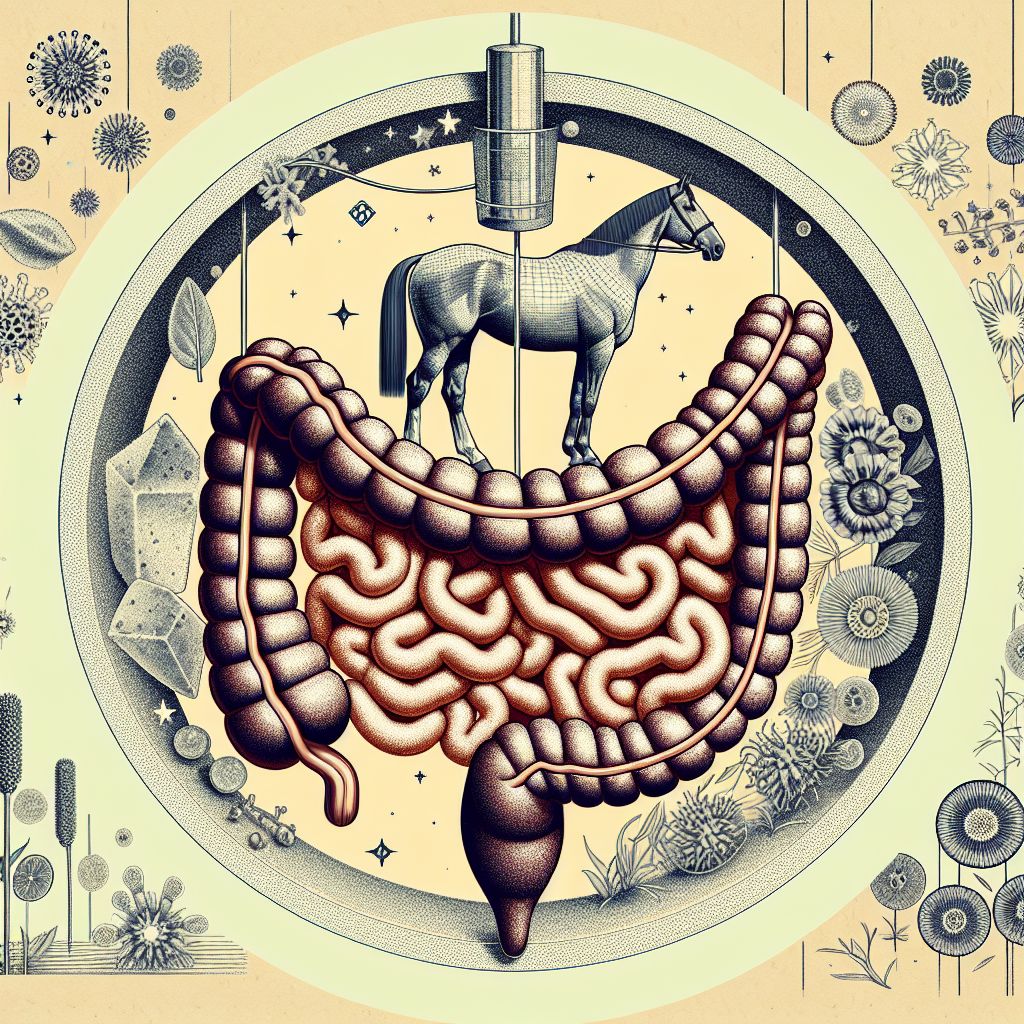
Pellet form supplements are not just convenient; they offer specific benefits that can enhance the health and well-being of horses with EMS. Let’s delve into some of these advantages.
Enhanced Nutrient Absorption
One of the primary benefits of pellet form supplements is their ability to deliver nutrients efficiently. Pellets are formulated to break down quickly in the digestive tract, allowing for better absorption of vitamins, minerals, and other essential nutrients. This can be particularly beneficial for EMS horses, which may have compromised metabolic function.
By ensuring that your horse absorbs the maximum amount of nutrients from their feed, pellet supplements can help improve overall health and support metabolic processes.
Controlled Sugar and Starch Levels
Managing sugar and starch intake is crucial for horses with EMS, as these substances can exacerbate insulin resistance and contribute to weight gain. Pellet supplements are often formulated with low levels of non-structural carbohydrates (NSCs), making them a safer option for EMS horses. For more information on managing insulin resistance, check out this Heiro Supplements review.
Choosing supplements with controlled sugar and starch levels can help stabilize blood sugar and insulin levels, reducing the risk of laminitis and other complications associated with EMS.
Ease of Feeding
- Pellets are easy to measure and mix with other feeds, ensuring accurate dosing.
- They are less likely to be wasted compared to powders or liquids, as horses are less likely to sort through their feed.
- The palatable nature of pellets makes them more appealing to picky eaters.
In addition to these benefits, pellet supplements are often more stable than other forms, meaning they have a longer shelf life and maintain their potency over time.
Popular Pellet Form Supplements for EMS Horses
1. Spillers Lite and Lean

Spillers Lite and Lean is a well-regarded supplement specifically formulated for horses with EMS. It’s designed to provide essential nutrients without adding excess calories, making it ideal for weight management. This supplement contains a low level of non-structural carbohydrates (NSCs), which helps in maintaining stable insulin levels, a crucial factor in managing EMS.
One of the standout features of Spillers Lite and Lean is its balanced nutrient profile. It includes essential vitamins and minerals that support overall health, while also addressing the specific metabolic needs of EMS horses. This supplement is particularly beneficial for “easy keepers” or horses that tend to gain weight easily.
2. Forageplus Laminae Plus

Forageplus Laminae Plus is another excellent choice for managing EMS in horses. This supplement is designed to support laminae health, which is vital for preventing laminitis, a common complication of EMS. It also provides a balanced mix of nutrients to support metabolic health.
- Contains high levels of essential fatty acids and antioxidants to support hoof health.
- Formulated with a low sugar and starch content to aid in managing insulin levels.
- Includes magnesium and chromium, which are known to support insulin sensitivity.
Forageplus Laminae Plus is particularly useful for horses that are prone to laminitis, as it provides targeted support for hoof health. By including this supplement in your horse’s diet, you can help protect against the damaging effects of EMS on the hooves.
Many horse owners have reported positive results with Forageplus Laminae Plus, noting improvements in their horse’s overall health and a reduction in laminitis episodes. It’s a valuable addition to any EMS management plan.
3. Uckele Glycocemic EQ Pellets

Uckele Glycocemic EQ Pellets are specifically designed to support healthy blood sugar levels in horses with metabolic issues. These pellets contain a blend of ingredients that promote insulin sensitivity and help regulate glucose metabolism.
What sets Uckele Glycocemic EQ Pellets apart is their focus on maintaining a balanced metabolic state. They include a combination of amino acids, vitamins, and minerals that work synergistically to support healthy glucose metabolism. This can be particularly beneficial for horses with EMS, as it helps to stabilize blood sugar levels and reduce the risk of insulin spikes.
4. SmartPak Smart Metabo-Lean

SmartPak Smart Metabo-Lean is a comprehensive supplement designed to support metabolic health in horses. It contains a blend of ingredients that promote weight management, improve insulin sensitivity, and support overall metabolic function.
This supplement is particularly effective for horses that struggle with weight control, as it includes ingredients that help regulate appetite and support fat metabolism. Smart Metabo-Lean is also fortified with antioxidants and other nutrients that promote overall health and well-being.
5. FreeStep LamiAlert Supplement

FreeStep LamiAlert Supplement is a versatile option for managing EMS in horses. It is formulated to promote metabolic balance. This supplement contains a unique blend of ingredients that work together to support overall health and metabolic function.
FreeStep LamiAlert Supplement is particularly beneficial for horses that are prone to weight gain, as it helps to regulate metabolism and support healthy weight management, which is crucial for managing EMS effectively.
Factors to Consider When Choosing Supplements

Choosing the right supplement for your EMS horse involves considering several factors. It’s important to select a product that meets your horse’s specific needs and supports their overall health and well-being. For instance, you might consider supplements that offer natural anti-inflammatory benefits to address any inflammation issues.
When evaluating supplements, consider the following factors to ensure you’re making the best choice for your horse.
Importance of Low Non-Structural Carbohydrates
For horses with EMS, managing sugar and starch intake is crucial. Supplements with low non-structural carbohydrates (NSCs) are essential, as they help stabilize blood sugar and insulin levels. High NSC levels can exacerbate insulin resistance and increase the risk of laminitis.
When selecting a supplement, look for products that clearly list their NSC content. Opt for those with low levels to ensure your horse receives the necessary nutrients without compromising their metabolic health.
Ingredient Quality and Source Transparency
The quality of ingredients in a supplement can significantly impact its effectiveness. Look for products that use high-quality, natural ingredients and avoid those with artificial additives or fillers. Transparency in ingredient sourcing is also important, as it ensures you’re providing your horse with a safe and reliable product. For more information on natural supplements, check out this guide on natural anti-inflammatory supplements for horses.
Brand Reputation and Customer Feedback
Choosing a reputable brand with positive customer feedback can help ensure you’re selecting a high-quality supplement. Look for brands with a proven track record of producing effective products for horses with EMS. Customer reviews can provide valuable insights into the effectiveness and palatability of a supplement.
By considering these factors, you can select a supplement that supports your horse’s health and helps manage their EMS effectively. Always consult with a veterinarian before introducing new supplements to ensure they meet your horse’s specific needs.
Key Considerations and Final Thoughts
Managing Equine Metabolic Syndrome requires a comprehensive approach that includes dietary management, exercise, and the right supplements. Pellet form supplements offer a convenient and effective way to support the nutritional needs of EMS horses. By choosing high-quality products with low non-structural carbohydrates and essential nutrients, you can help stabilize your horse’s metabolic health and reduce the risk of complications like laminitis.
The Importance of Tailored Nutrition
Every horse is unique, and their nutritional needs can vary based on factors such as age, weight, and the severity of their EMS. It’s important to tailor their diet to meet these specific needs. This includes selecting supplements that provide the right balance of nutrients without adding unnecessary calories or sugars.
Consulting with a veterinarian or equine nutritionist can help you develop a personalized feeding plan that addresses your horse’s specific requirements. This tailored approach can make a significant difference in managing EMS and improving your horse’s overall health. For additional insights, you might also consider exploring Heiro supplements to manage insulin resistance in horses.
In addition to supplements, consider the role of forage in your horse’s diet. High-quality hay with low sugar content can provide essential fiber and support digestive health. Balancing supplements with a nutritious forage diet is key to maintaining your horse’s well-being.
Balancing Supplements with Overall Management
While supplements play a crucial role in managing EMS, they should be part of a broader management strategy. Regular exercise is essential for maintaining a healthy weight and improving insulin sensitivity. Even light exercise, such as walking or trotting, can have a positive impact on your horse’s metabolic health.
Monitoring your horse’s body condition and adjusting their diet and exercise routine as needed is also important. Regular veterinary check-ups can help track your horse’s progress and ensure that their management plan is effective.
- Ensure a balanced diet with low sugar and starch content.
- Incorporate regular exercise into your horse’s routine.
- Monitor body condition and adjust management strategies as needed.
- Consult with a veterinarian for personalized advice and support.
Frequently Asked Questions (FAQ)

What treats can a horse with EMS have?
When it comes to treats, it’s important to choose options that are low in sugar and starch. Some safe choices include:
- Carrot tops (not the root)
- Celery
- Cucumber slices
- Small amounts of unsweetened applesauce
Always offer treats in moderation and consider them as part of your horse’s overall diet to avoid exceeding their caloric intake.
What herbs are good for EMS horses?

Several herbs can support metabolic health in EMS horses. These include:
- Cinnamon: Known for its potential to improve insulin sensitivity.
- Fenugreek: May help regulate blood sugar levels.
- Milk Thistle: Supports liver health and detoxification.
Before introducing any herbs into your horse’s diet, consult with a veterinarian to ensure they are safe and appropriate for your horse’s specific condition. For more information on equine nutrition, you can refer to Dodson & Horrell’s feeding factsheets.
What supplements should a horse with EMS take?
EMS horses can benefit from supplements that support metabolic health and weight management. Look for products that include:
- Magnesium and chromium to improve insulin sensitivity.
- Omega-3 fatty acids to support overall health.
- Antioxidants to reduce oxidative stress.
Always choose high-quality supplements from reputable brands and consult with a veterinarian for personalized recommendations.
Is beet pulp good for EMS horses?
Beet pulp can be a beneficial addition to the diet of EMS horses, as it is high in fiber and low in sugar. It provides a source of digestible energy without contributing to insulin spikes. However, it’s important to soak beet pulp before feeding to prevent choking and ensure it is free from added molasses.
Can horses with EMS have linseed?
Linseed, also known as flaxseed, can be a valuable source of omega-3 fatty acids for EMS horses. These fatty acids support anti-inflammatory processes and overall health. When feeding linseed, ensure it is ground or processed to improve digestibility and always introduce it gradually to your horse’s diet.
By understanding the specific needs of EMS horses and choosing the right supplements and management strategies, you can help your horse live a healthier, happier life. Remember, always consult with a veterinarian for tailored advice and support in managing your horse’s condition.





Leave a Reply